OAS to Monitor Brazil’s General Elections in October
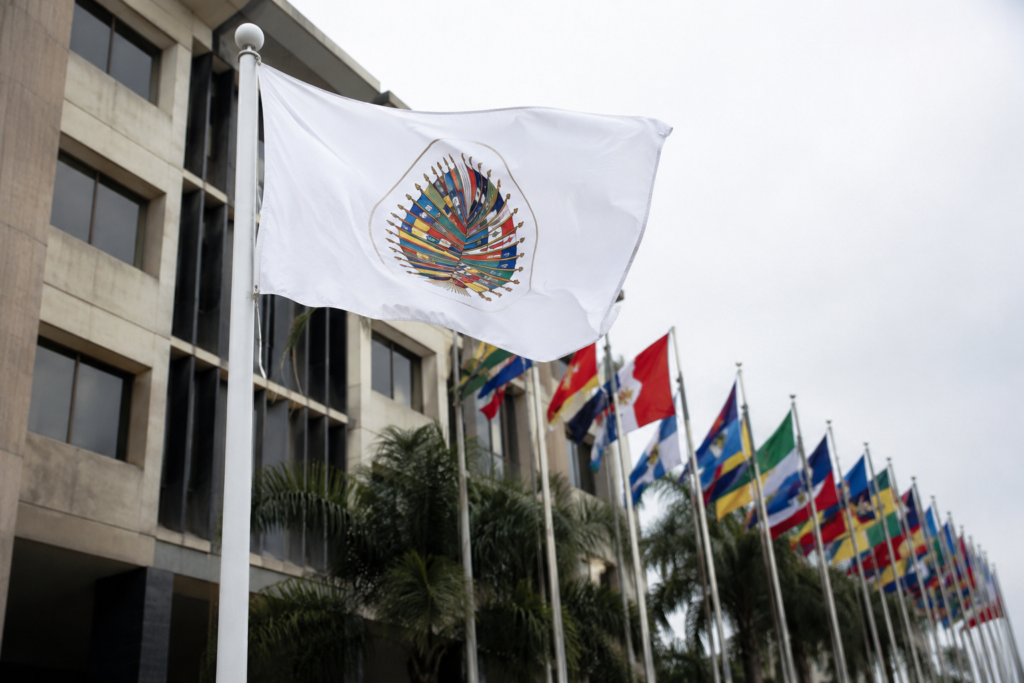
The Organization of American States (OAS) and the Brazilian government have signed an agreement in Washington establishing the conditions for an international Electoral Observation Mission to operate in Brazil during the general elections scheduled for October.
The international mission will monitor the first round of voting, scheduled for October 4, as well as a possible second round on October 25. The agreement establishes the institutional framework and guarantees required for international observers to carry out their activities during the electoral process.
The document was signed by OAS Secretary General Albert Ramdin and Brazil’s Permanent Representative to the organization, Ambassador Benoni Belli. The agreement defines the guarantees and immunities that will apply to members of the observation mission while they perform their duties in Brazil.
International electoral observation missions are part of the OAS’s work across the Americas. Their role is to accompany electoral processes, gather information and observe different stages of elections, providing an independent international perspective on the conduct of the vote.
In Brazil, the mission is expected to follow the electoral process during both rounds of voting. If a second round is required, international observers will remain involved in monitoring the process on October 25.
The signing of the agreement represents an important step in preparing the mission, as it establishes the legal and institutional conditions for the observers to operate in Brazilian territory. With these arrangements in place, preparations for the international delegation can proceed according to the electoral calendar.
Brazil’s general elections are one of the country’s most important democratic events, involving millions of voters and the selection of representatives for several public offices. In this context, international observation can provide an additional perspective on the organisation and development of the electoral process.
The OAS mission is expected to operate independently, observing electoral procedures and following different aspects of the voting process. Its work does not replace the responsibilities of Brazilian institutions in organising, conducting and overseeing the elections. Instead, it serves as an additional mechanism for international observation.
The agreement signed in Washington therefore establishes the foundation for the OAS mission’s presence in Brazil during the electoral period. The next stage will involve the organisation and preparation of the international team ahead of the October vote.
As the election dates approach, the presence of international observers is expected to become increasingly relevant, particularly as Brazil prepares for the first round on October 4 and, if necessary, a second round on October 25.