Iran Raises Tensions at UN as Conflict Threatens Strategic Middle East Shipping Routes
Iranian President Masoud Pezeshkian delivered a defiant message at the United Nations as tensions involving Iran, the United States and Israel continue to reshape the security landscape of the Middle East. His remarks came amid continuing military confrontations, diplomatic pressure and growing concerns over the safety of strategic maritime routes.
Speaking before international leaders, Pezeshkian rejected the possibility of Iran surrendering under military pressure and defended his country’s actions as a response to attacks against Iranian territory and citizens. His speech reflected the widening political divide between Tehran and Washington as efforts to find a diplomatic path out of the conflict remain uncertain.
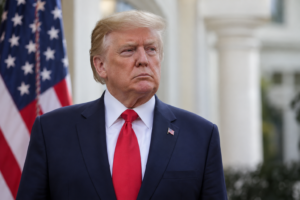
The Iranian leader also highlighted the human consequences of the fighting, drawing attention to civilian casualties, including children. His remarks followed statements from U.S. President Donald Trump defending American military operations and calling for an agreement capable of bringing the confrontation to an end.
Despite the increasingly confrontational rhetoric, diplomatic communication has not completely stopped. Representatives of the United States and Iran have maintained contacts, although Tehran has played down the significance of recent discussions. Washington, meanwhile, has indicated that it remains open to negotiations under conditions that could lead to a broader change in relations between the two countries.
Strait of Hormuz remains a major concern
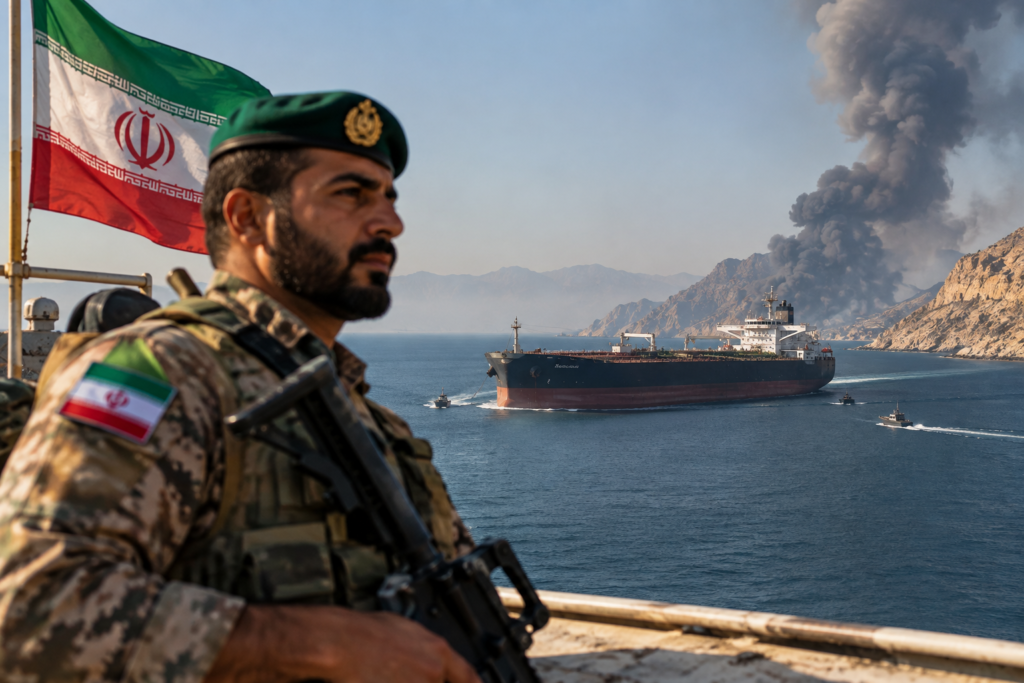
One of the most sensitive areas of the crisis is the Strait of Hormuz, a narrow maritime passage with enormous importance to global energy markets.
Another vessel attempting to navigate the waterway was hit by a projectile, reinforcing concerns about the security of commercial shipping. Any prolonged disruption in the area could affect international oil and gas supplies, transportation costs and energy prices.
The strategic importance of the strait means that developments there extend far beyond the Middle East. Governments, energy companies and shipping operators around the world are closely monitoring the situation.
Instability is also spreading through Yemen, where the Iran-aligned Houthi movement has strengthened its presence along parts of the western coastline. The group has taken strategic positions near the Bab el-Mandeb Strait, another crucial maritime route connecting the Red Sea with the Gulf of Aden.
The developments have renewed confrontations involving forces backed by Saudi Arabia and raised concerns about possible attacks on commercial vessels and energy infrastructure.
Regional conflict carries global consequences
Gulf countries have increased calls for an end to attacks threatening navigation through both the Strait of Hormuz and Bab el-Mandeb. Together, the two waterways are vital corridors for international trade and energy transportation.
The situation in Yemen has also resulted in renewed civilian casualties as competing forces exchange accusations over responsibility for the latest escalation.
Energy markets remain particularly exposed to developments in the region. Even when vessels are able to continue operating, security threats can increase insurance premiums, transportation expenses and uncertainty throughout global supply chains.
The confrontation has therefore evolved beyond the direct tensions involving Iran, Israel and the United States. Armed groups, neighboring countries and international shipping interests are increasingly connected to the crisis.
With military operations continuing and diplomatic efforts producing limited progress, attention is now focused on whether negotiations can prevent further escalation. The stakes extend well beyond regional politics: stability in the Middle East’s major shipping corridors remains essential to global trade, energy security and the broader international economy.