Brazil’s Election Draws Trump’s Attention as Voting Nears
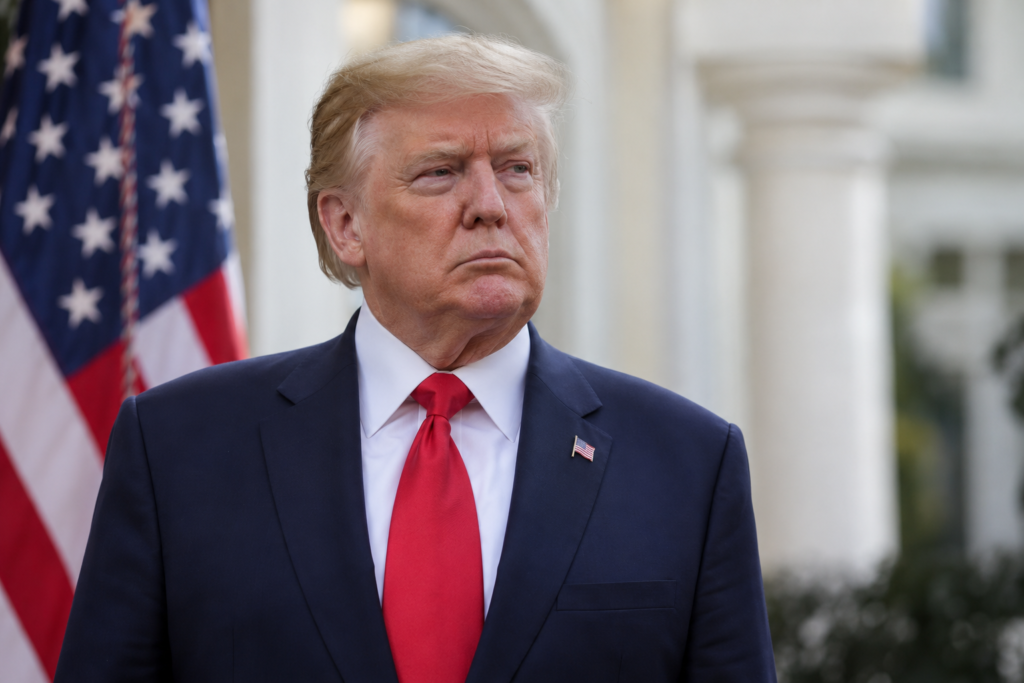
The U.S. president praises Brazil and underscores the importance of its election without endorsing a candidate, amid scrutiny of Washington’s role in the country’s political affairs.
U.S. President Donald Trump said Thursday, October 1, that he was closely following Brazil’s upcoming election, bringing international attention to the race just three days before voters head to the polls. Speaking to reporters at the White House, Trump praised Brazil and its people while emphasizing the importance of the vote.
The president said he was watching the election “very closely,” but did not name any candidates or express a preference in the presidential contest. His remarks conveyed interest in the outcome without announcing an endorsement or outlining specific measures related to the election.
The statement came during the final stretch of campaigning, as Brazilian candidates worked to secure support ahead of the first round on Sunday, October 4. Beyond the presidency, voters will choose state governors and lawmakers whose decisions will shape public spending, legislation and government oversight.
Washington’s Role Under Scrutiny
Trump’s comments come against a backdrop of questions about U.S. policy toward Brazil. Democratic lawmakers in Washington have criticized actions by his administration and sought assurances that the United States will respect the outcome of the Brazilian vote.
In correspondence addressed to Secretary of State Marco Rubio, members of Congress expressed concern about policies they believe could damage relations between the two countries. Their concerns have included trade measures and decisions involving U.S. officials working on matters related to Brazil.
The U.S. administration has denied having a plan to interfere in the election or prevent Brazilian President Luiz Inácio Lula da Silva from winning another term. In August, the State Department said it would respect whichever government Brazilian voters elected.
Those competing positions provide the context for Trump’s remarks. Following another country’s election does not, by itself, establish interference. Assessing outside influence requires examining specific actions, their purposes and their potential effects on the democratic process.
In Thursday’s statement, Trump confined his comments to his interest in the election and his positive assessment of Brazil. He did not explain how his administration was monitoring the contest or announce an election-related initiative.
A Vote With Broad Consequences
Brazil’s first round will determine more than who advances in the presidential race. Voters will also elect senators, federal deputies, state deputies and representatives in the Federal District, alongside governors and their running mates.
To win the presidency or a governorship in the first round, a candidate must receive more than half of valid votes, excluding blank and invalid ballots. If no candidate reaches that threshold, the two leading contenders will compete in a runoff scheduled for October 25.
Trump’s statement adds a diplomatic dimension to the closing days of the campaign. The immediate decision, however, rests with Brazilian voters, while the country’s electoral authorities remain responsible for administering the process.
The result will determine Brazil’s next political leadership and help shape its future relationship with Washington. For now, Trump’s message signals attention to the contest without an explicit endorsement in that appearance.
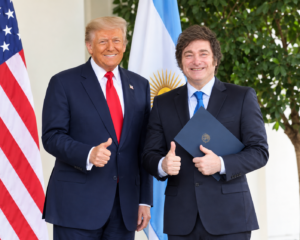
Image credit: AI-generated editorial illustration of Donald Trump. The image is not a documentary photograph of the reported event.