U.S.-Iran Escalation Fuels Global Tensions and Raises New Fears Over Oil Prices
Growing military tensions between Washington and Tehran are putting global energy markets under pressure, with the Strait of Hormuz emerging as a critical concern as investors assess the potential consequences for oil prices, inflation and the U.S. economy.
Rising tensions between the United States and Iran are once again drawing international attention, as military developments and economic pressure increase concerns about the possibility of a broader confrontation in the Middle East.
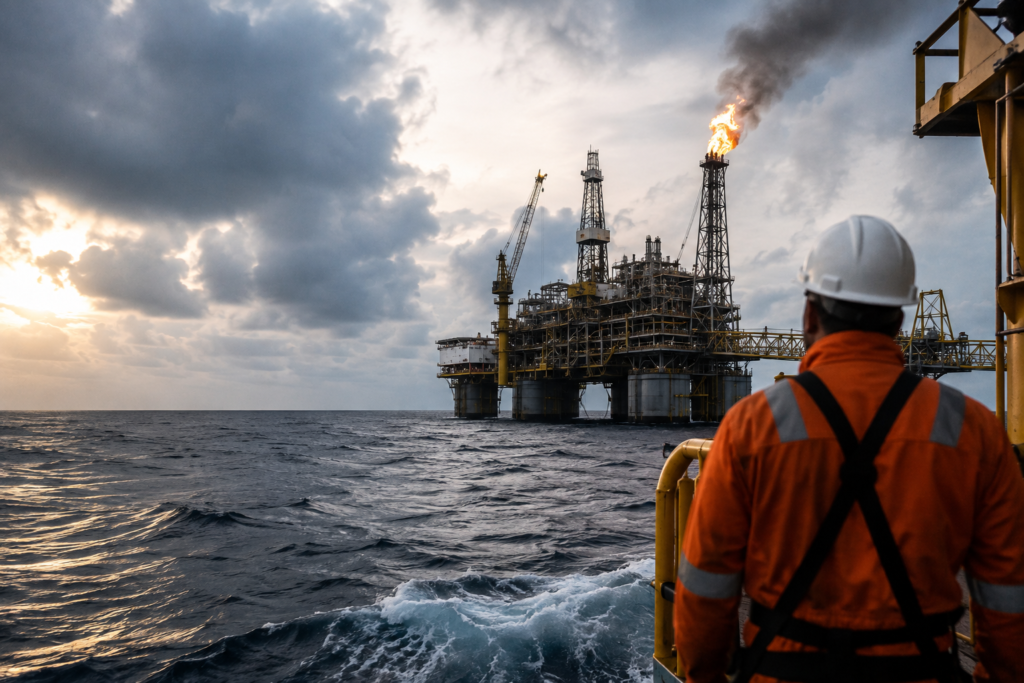
At the center of the uncertainty is the Strait of Hormuz, one of the world’s most strategically important routes for oil and natural gas shipments. Any significant disruption to traffic through the waterway could reduce global energy supplies and push fuel prices higher.
The situation has become particularly important for the United States because the consequences of a prolonged conflict would not necessarily remain overseas. Higher oil prices could eventually affect American consumers through gasoline prices, transportation expenses and increased production costs across multiple industries.
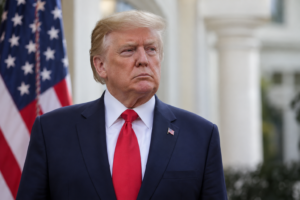
President Donald Trump has intensified his rhetoric toward Tehran as Washington seeks to increase pressure on the Iranian government. Military developments in the region have also raised concerns that retaliatory actions could lead to a cycle of escalation.
Oil Markets Become a Key Concern
Beyond the immediate security implications, energy prices have emerged as one of the most closely watched elements of the crisis.
A sustained increase in crude oil prices could complicate efforts to keep inflation under control in the United States. Energy costs influence far more than prices at the gas pump. They can affect airlines, trucking companies, manufacturers, agriculture and businesses that depend heavily on transportation.
For American households, that means an international conflict thousands of miles away could eventually translate into higher everyday expenses.
Financial markets are also sensitive to the uncertainty. Investors are weighing the possibility that higher energy prices could contribute to renewed inflationary pressure, potentially influencing expectations surrounding interest rates and economic growth.
The Federal Reserve’s monetary policy could become an important part of that discussion. If energy costs contribute to persistent inflation, policymakers may face greater difficulty determining when and how quickly interest rates should change.
Washington Turns to Economic Pressure
The United States is also using financial measures as part of its strategy toward Iran.
Economic sanctions remain an important tool for Washington as it attempts to restrict Tehran’s access to international financial networks and reduce resources available to the Iranian government.
The combination of economic pressure and military tension creates a particularly complex situation. Washington must balance its strategic objectives against the possibility that further escalation could produce consequences extending well beyond the battlefield.
For the international community, developments surrounding the Strait of Hormuz remain especially important. A serious disruption to shipping could have repercussions across Europe, Asia and the Americas because of the global economy’s continued dependence on energy transported through the region.
The crisis therefore represents more than another confrontation between Washington and Tehran.
Its consequences could reach American households, financial markets and businesses through higher energy costs and renewed inflation concerns.
What happens next will depend on whether the confrontation intensifies or gives way to diplomatic efforts capable of reducing tensions. Until then, the intersection of military risk, energy security and economic uncertainty is likely to keep the U.S.-Iran relationship at the center of international attention.