Pope Leo XIV Undergoes Lung Surgery Following Cancer Diagnosis in Rome
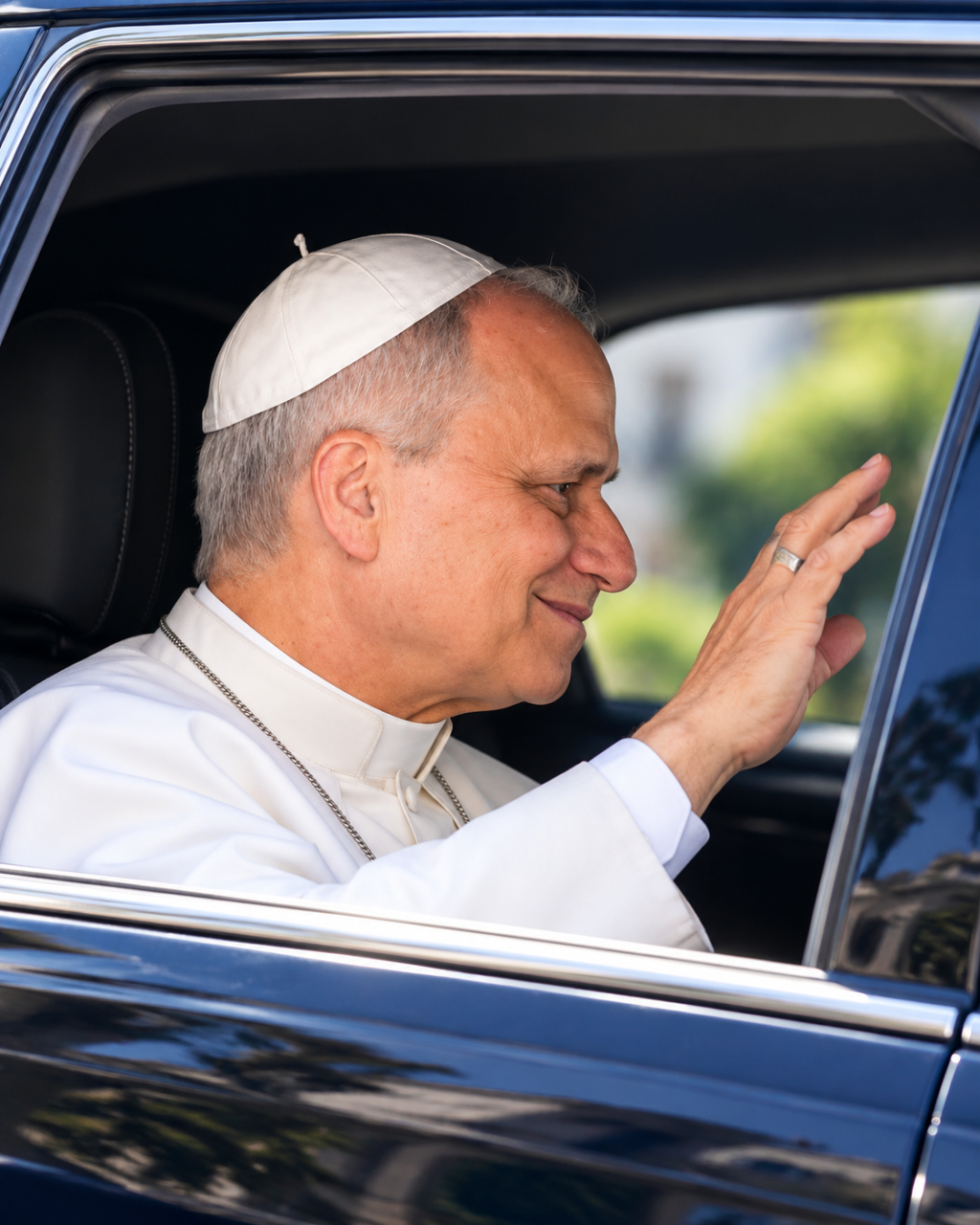
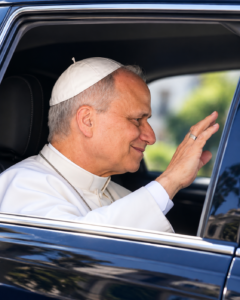
Pope Leo XIV
The 71-year-old pontiff reportedly had the lower lobe of his right lung removed after doctors discovered a pulmonary nodule. The Vatican said the operation was successful and without complications.
Pope Leo XIV, 71, underwent surgery on Tuesday, October 13, 2026, at Gemelli Hospital in Rome, Italy, following the discovery of a suspicious nodule in his right lung. According to the medical information provided, the procedure involved removing the lower lobe of the pontiff’s right lung after doctors diagnosed pulmonary adenocarcinoma, one of the most common forms of lung cancer.
The operation reportedly lasted approximately 90 minutes and was completed successfully, without complications. Following the procedure, the pope regained consciousness normally and was transferred to his hospital room, where he began his recovery under medical supervision.
The reported diagnosis has drawn international attention, raising questions about the pontiff’s health and the potential implications for his responsibilities as head of the Roman Catholic Church.
Understanding the Lung Cancer Diagnosis
Pulmonary adenocarcinoma is a type of non-small cell lung cancer that develops in glandular cells within the lungs. It is among the most frequently diagnosed forms of lung cancer and can affect both smokers and individuals who have never smoked.
The disease may develop gradually, sometimes without noticeable symptoms during its early stages. When symptoms occur, they can include persistent coughing, shortness of breath, chest discomfort, fatigue, and unexplained weight loss.
Early detection can significantly influence treatment options and outcomes.
In cases where the tumor is localized and surgery is considered appropriate, removing the affected portion of the lung may be an important part of treatment.
The procedure reportedly performed on Pope Leo XIV is known as a lobectomy, which involves removing one of the lung’s anatomical lobes.
The right lung consists of three lobes, while the left lung has two. Removing one lobe can preserve the remaining lung tissue, although postoperative recovery and respiratory function vary depending on the patient’s overall health.
Surgery and Recovery
According to the account of the medical procedure, the pope was admitted to Gemelli Hospital after a pulmonary nodule was identified during a recent medical examination.
Doctors subsequently recommended surgery to remove the affected tissue and establish the nature of the abnormality.
The operation was reportedly successful, and the pontiff awakened normally from anesthesia.
Following lung surgery, patients generally require careful monitoring to assess respiratory function, control pain, prevent complications, and support healing.
Recovery can involve breathing exercises, gradual physical activity, and follow-up examinations.
The duration of hospitalization depends on the patient’s clinical condition and progress after surgery.
Although the reported absence of surgical complications is encouraging, a successful operation does not by itself establish the stage of cancer or determine whether additional treatment will be necessary.
Medical Monitoring and Future Treatment
After a diagnosis of pulmonary adenocarcinoma, physicians typically evaluate several factors before determining the next steps.
These include tumor size, whether cancer cells have reached nearby lymph nodes, the presence of disease elsewhere in the body, and the biological characteristics of the tumor.
Depending on the findings, treatment may involve continued observation, chemotherapy, immunotherapy, targeted therapy, or other medical approaches.
The information currently available does not establish whether the pontiff will require additional cancer treatment.
Medical specialists generally emphasize that treatment decisions must be individualized, particularly for older patients or those recovering from major surgery.
International Attention Focuses on the Vatican
Health concerns involving a reigning pope frequently attract worldwide attention because of the pontiff’s spiritual leadership and extensive public responsibilities.
Pope Leo XIV, elected in May 2025, leads the Roman Catholic Church and regularly participates in religious ceremonies, diplomatic meetings, and international engagements.
A significant medical procedure could require temporary adjustments to his public schedule while doctors assess his recovery.
For now, the central priority remains postoperative care and medical evaluation.
The reported successful surgery represents an important initial step, but the pontiff’s longer-term outlook will depend on further clinical findings and his response to treatment.
As the Catholic world awaits additional information, attention remains focused on Pope Leo XIV’s recovery and the medical decisions that may follow.