Royal Spotlight: Prince Andrew and the Burden of Allegations
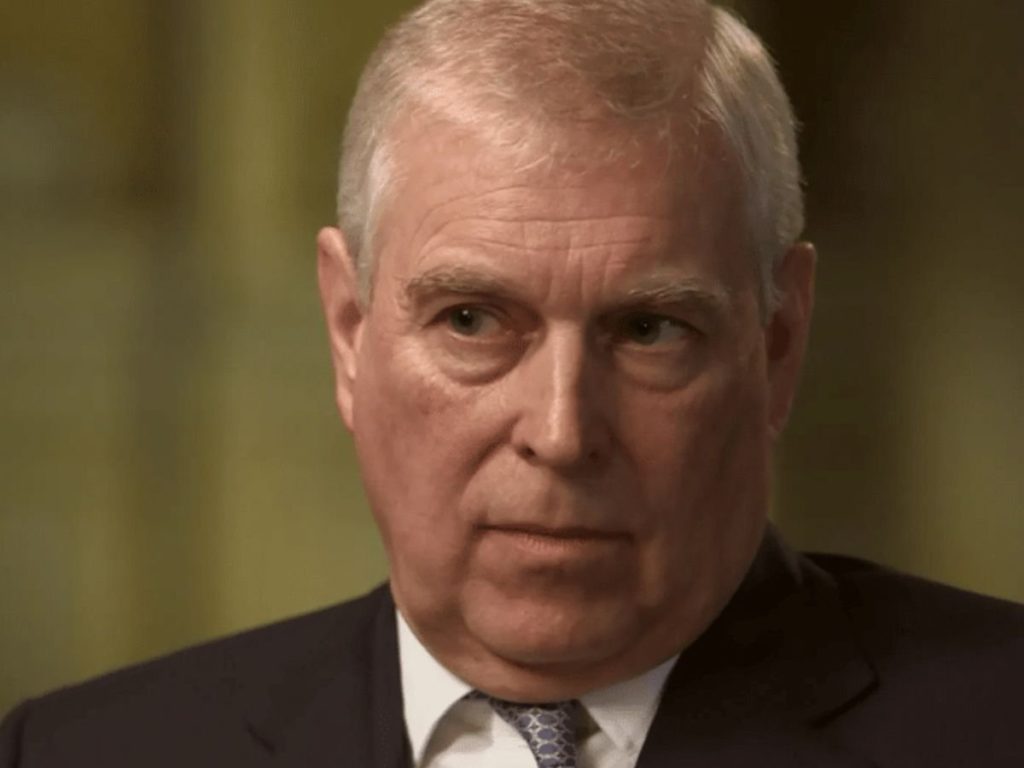
Prince Andrew, the brother of King Charles III, finds himself at the center of one of the most challenging chapters of his life. Accused of sexual abuse by Virginia Giuffre, the prince has consistently denied the allegations. However, recent claims suggesting he may have used a security agent to gather information about his accuser have reignited public scrutiny and intensified the pressure on the royal family.
The situation gains additional weight with the forthcoming release of Giuffre’s memoir, “Nobody’s Girl”. In the book, she recounts encounters with Andrew in London, New York, and on Jeffrey Epstein’s private island, offering detailed accounts that support her accusations. The memoir is expected to bring the controversy back into the public eye, fueling debates about accountability and the role of privilege.
A source from Buckingham Palace emphasized that the allegations are being “examined appropriately,” signaling the royal household’s intent to handle the matter with seriousness. Despite these proceedings, Prince Andrew continues to deny any wrongdoing and has formally stepped back from his royal duties, including his title as Duke of York, in an effort to shield the monarchy from further reputational damage.
This case underscores the delicate balance the British royal family must maintain between defending institutional reputation and upholding justice and transparency. How the monarchy navigates the Andrew controversy will serve as a critical test of its relevance and ethical standing in a society increasingly focused on accountability.
Ultimately, the outcome of these proceedings will have far-reaching implications—not only for Prince Andrew personally but also for the perception of the monarchy as a whole. The public remains keenly observant, awaiting clear answers and decisive actions that affirm the royal family’s commitment to truth and integrity.