
False Radio Announcement Claiming King Charles III’s Death Sparks Confusion in Britain
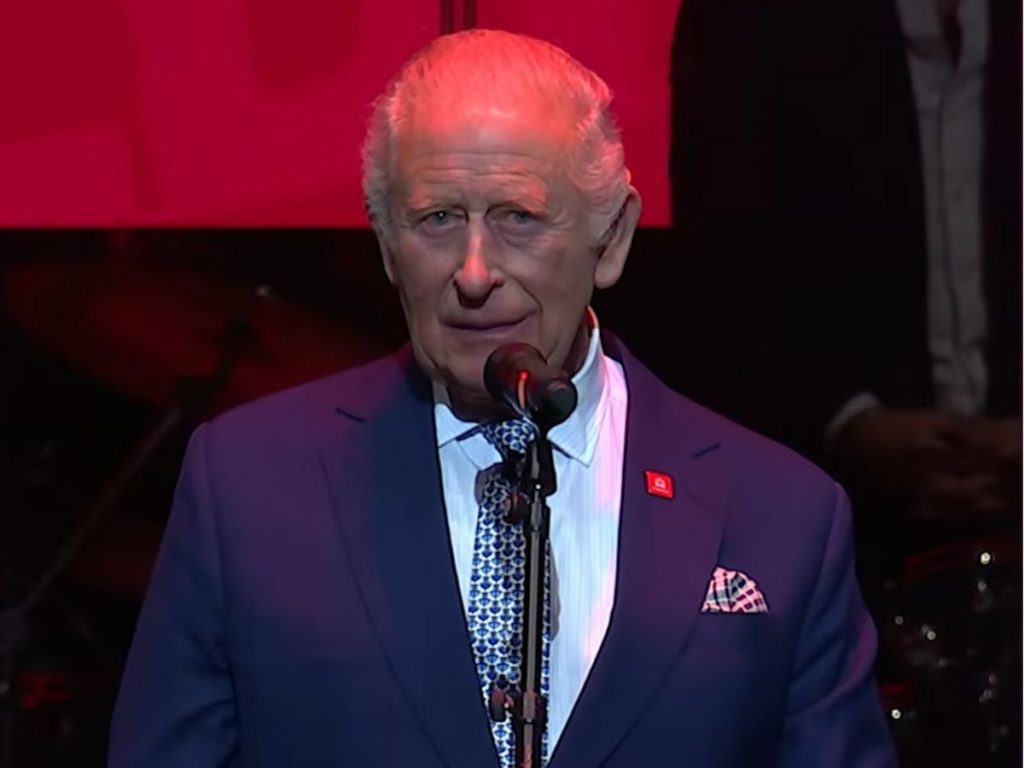
King Charles III at the Royal Albert Hall (Reproduction: YouTube/The Royal Family)
A British radio station triggered widespread confusion and concern after mistakenly broadcasting a false announcement claiming that King Charles III had died. The incident quickly spread across social media and international news discussions, drawing attention from royal watchers and listeners across the United Kingdom.
The confusion began when Radio Caroline, a historic broadcaster based in southeastern England, accidentally activated an emergency protocol reserved for the death of a member of the royal family. The interruption abruptly halted regular programming and aired an announcement incorrectly stating that the British monarch had passed away.
Moments later, the station began playing “God Save the King” before temporarily going off the air, intensifying alarm among listeners. Because British media organizations maintain strict procedures for reporting the death of senior royals, many people initially believed the announcement was genuine.
According to station officials, the incident was caused by a technical malfunction within the broadcaster’s studio systems. The emergency sequence was reportedly triggered by mistake during routine operations. Once staff members realized the error, normal programming resumed and the station issued a public apology to both King Charles III and its audience.
The false report gained even greater attention because of ongoing public concern surrounding the king’s health. Since Buckingham Palace previously confirmed that Charles III is undergoing cancer treatment, speculation and rumors related to the monarch have become especially sensitive topics in Britain and abroad.
Despite the alarming broadcast, there was no disruption to the king’s official schedule. At the time the false announcement aired, Charles III was carrying out public engagements alongside Queen Camilla during an official visit to Northern Ireland. Images and reports from the visit quickly helped calm speculation that had begun spreading online.
The episode also reignited debate about the reliability of automated broadcasting systems used by radio and television stations. Communication experts in the United Kingdom noted that protocols involving the monarchy are treated with exceptional seriousness because of the constitutional and symbolic importance of the royal family.
On social media, reactions ranged from panic and criticism to humor and memes. Some users described feeling shocked after hearing the announcement, while others commented on how rapidly misinformation can circulate in the digital era. The incident once again demonstrated the intense global fascination surrounding the British monarchy and the public profile of King Charles III.
Founded during the 1960s, Radio Caroline holds a unique place in British broadcasting history. The station originally became famous as a pirate radio operation transmitting music from ships positioned off the English coast. Decades later, it unexpectedly found itself at the center of international attention for a very different reason.
Although the mistake was corrected within a short period of time, the incident highlighted the sensitivity surrounding any news connected to the health and succession of the British royal family. In an age of instant communication, only a few minutes of inaccurate broadcasting were enough to spark concern, fuel online speculation, and turn a technical failure into one of the most talked-about stories of the day.