
AI Tool Diagnoses Brain Tumors in Minutes, Offering New Hope for Faster Cancer Detection
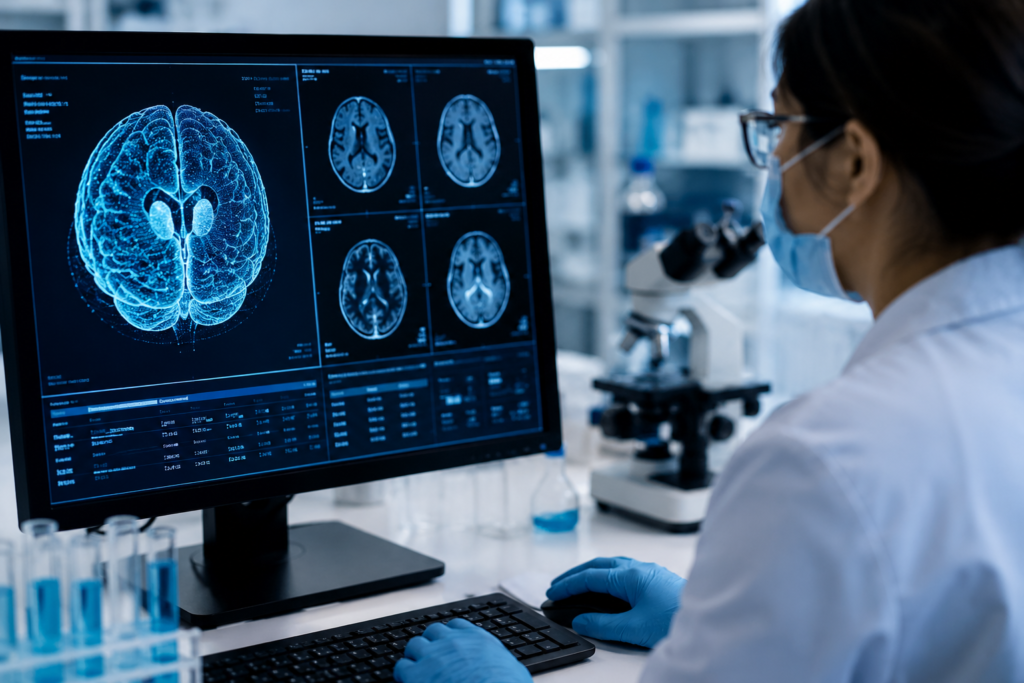
A breakthrough in artificial intelligence could dramatically accelerate the diagnosis of brain tumors and other cancers affecting the central nervous system, potentially transforming patient care worldwide.
Researchers from Germany and China have developed an AI-powered system called Hetairos that can identify and classify brain tumors in as little as 12 minutes. The innovation represents a significant improvement over current molecular diagnostic methods, which often require up to 12 days to deliver results.
The technology was designed to assist physicians in making faster and more accurate diagnoses, helping patients begin treatment sooner. In cancer care, early diagnosis is often one of the most critical factors influencing outcomes and survival rates.
The research team tested Hetairos using data from 9,606 patients and analyzed more than 11,000 tumor samples collected from 11 medical centers around the world. According to the study, the system achieved an accuracy rate of 87% in cases where it determined the results were reliable.
What sets the new AI apart is its ability to analyze DNA methylation patterns—chemical modifications that affect gene activity without changing the underlying genetic code. These molecular signatures provide valuable information about the biological characteristics of tumors and allow the system to distinguish among 102 different tumor subtypes.
Accurate tumor classification is essential for modern cancer treatment. While some tumors may appear similar under traditional examination methods, they can behave very differently at the molecular level and require distinct treatment approaches. By rapidly identifying specific tumor types, physicians may be able to tailor therapies more effectively and avoid delays in care.
Researchers also believe the technology could be especially valuable in regions with limited medical resources. Because Hetairos relies on standardized tissue samples already used in pathology laboratories worldwide, it may be easier to implement than other advanced diagnostic systems that require expensive equipment or specialized infrastructure.
Despite its promising performance, the AI system is not without limitations. The researchers noted that Hetairos still faces challenges when analyzing extremely rare tumor types. In those cases, experienced neuropathologists remain essential for interpreting complex findings and confirming diagnoses.
Importantly, the developers emphasize that the goal is not to replace physicians or existing diagnostic procedures. Instead, the technology is intended to serve as a powerful support tool that complements the expertise of medical professionals.
The development reflects a growing trend toward integrating artificial intelligence into healthcare. AI systems are increasingly being used to assist with medical imaging, genetic analysis, disease prediction, and treatment planning. Supporters argue that these technologies can reduce diagnostic delays, improve accuracy, and expand access to specialized care.
If future clinical studies continue to validate its effectiveness, Hetairos could become one of the most significant advances in neuro-oncology diagnostics in recent years. By reducing diagnostic timelines from days to minutes, the technology has the potential to improve treatment decisions and ultimately enhance outcomes for thousands of cancer patients around the globe.