Trump Revives Debate Over Venezuela’s Electoral Integrity with New Allegations
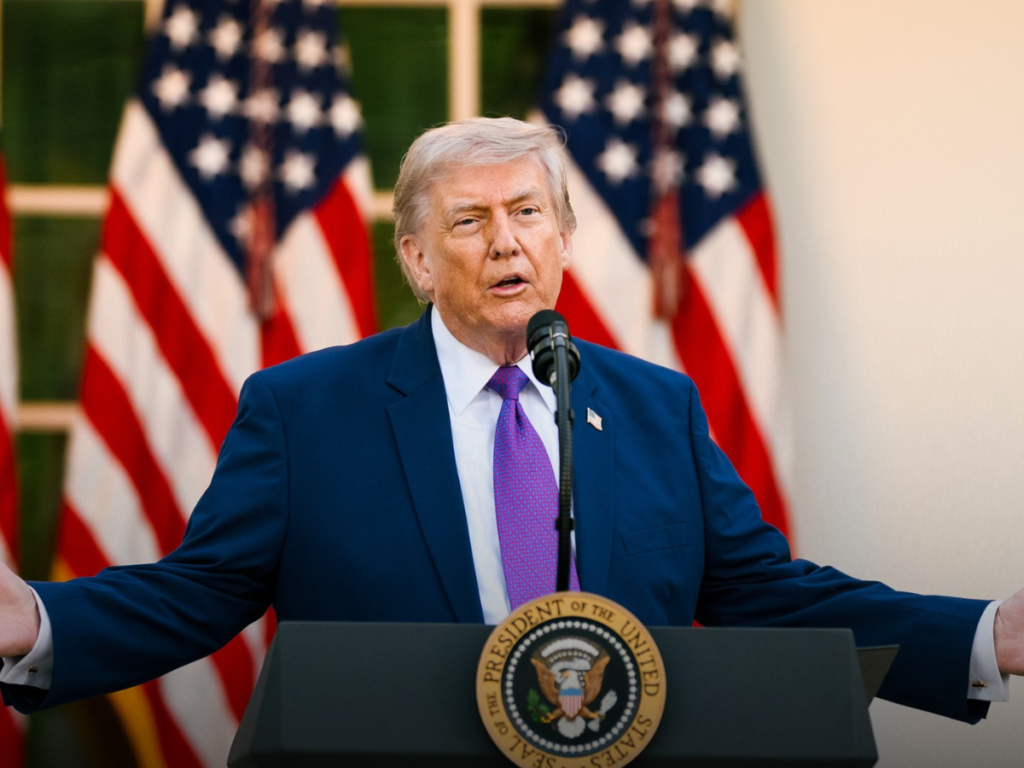
The political dispute surrounding Venezuela’s electoral system has once again taken center stage after U.S. President Donald Trump accused the governments of Hugo Chávez and Nicolás Maduro of manipulating elections to maintain political power. The remarks have reignited international discussions about electoral transparency, democratic institutions, and the credibility of voting systems in one of Latin America’s most politically divided nations.
According to Trump, intelligence information reviewed by the U.S. administration suggests that mechanisms capable of influencing election results were developed during the Chávez era and later maintained under Maduro’s government. He argued that these alleged practices helped strengthen the ruling administration’s grip on power over the years and raised broader concerns about election security beyond Venezuela’s borders.
The statements immediately drew global attention because Venezuela’s electoral process has been questioned for years by opposition leaders, international observers, and human rights organizations. Critics have repeatedly expressed concerns over the country’s political environment, pointing to restrictions on opposition parties, institutional imbalance, and obstacles that could affect the fairness of elections.
While the allegations have generated significant political impact, the information released by the U.S. administration does not definitively prove that every Venezuelan election was manipulated. Political analysts note that claims involving intelligence reports often require independent verification before they can be considered conclusive evidence. They emphasize the important distinction between identifying vulnerabilities in an electoral system and demonstrating that those vulnerabilities were actually used to alter official results.
The renewed accusations also arrive during a period of heightened diplomatic tensions between Washington and Caracas. Relations between the two governments have remained strained for years, marked by political disagreements, economic sanctions, and disputes over democratic governance. Against this backdrop, any new claims regarding Venezuela’s political system are likely to influence international discussions about regional stability and democratic accountability.
Experts believe the controversy could have broader implications for global conversations about election security and the protection of democratic institutions. As technology becomes increasingly integrated into voting systems around the world, concerns over cybersecurity, transparency, and public trust continue to grow. Governments and election authorities in many countries have invested heavily in strengthening safeguards designed to ensure that electoral outcomes remain accurate and credible.
Supporters of Venezuela’s government have consistently rejected accusations of electoral fraud, arguing that the country’s voting system includes multiple verification procedures and security measures. Meanwhile, opposition groups continue to call for stronger international oversight and reforms that would increase confidence in future elections.
The latest exchange between Washington and Caracas demonstrates that Venezuela’s political future remains a subject of intense international scrutiny. Beyond the immediate political rhetoric, the controversy highlights enduring questions about democratic legitimacy, institutional independence, and the role that transparency plays in preserving public confidence in elections.
As international observers continue to monitor developments, the debate serves as a reminder that trust in electoral systems remains one of the fundamental pillars of modern democracy. Whether new evidence emerges or diplomatic tensions continue to escalate, the issue is expected to remain at the forefront of international political discussions in the months ahead.