
Experts Reinforce Dengue Prevention as Climate Changes Increase Health Risks
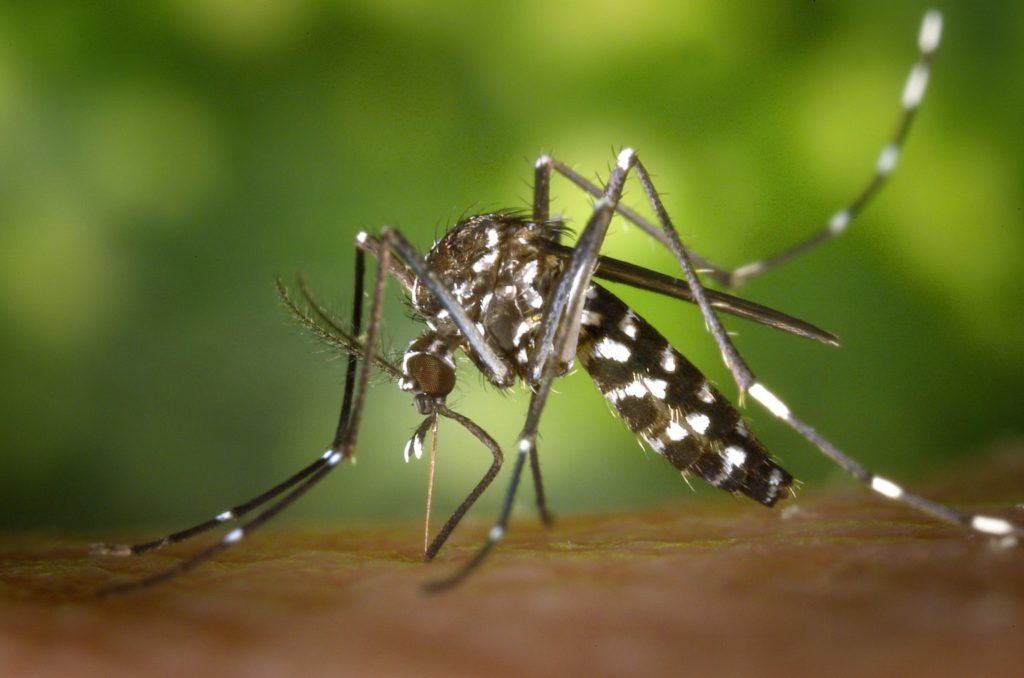
Climate change has once again raised concerns among public health experts about the growing risk of mosquito-borne diseases, particularly dengue, chikungunya, and Zika. Rising temperatures and changing rainfall patterns are creating favorable conditions for the spread of the Aedes aegypti mosquito, increasing the need for stronger prevention efforts by both health authorities and the public.
According to specialists, prolonged periods of heat combined with frequent rainfall create ideal breeding conditions for mosquitoes. Even in areas experiencing drought, the storage of water in household containers can unintentionally provide breeding sites for Aedes aegypti, increasing the likelihood of disease transmission.
Health experts emphasize that prevention remains the most effective strategy for reducing infections. Eliminating standing water is considered the primary method of interrupting the mosquito’s life cycle. Flower pots, discarded tires, bottles, clogged gutters, uncovered water tanks, buckets, and any other containers capable of holding water should be inspected and cleaned regularly.
Authorities also stress that fighting dengue is a shared responsibility. Simple weekly inspections around homes and neighborhoods can significantly reduce mosquito breeding sites and help prevent outbreaks before they occur.
In addition to environmental prevention, epidemiological surveillance plays a critical role. Health agencies continue monitoring suspected cases to identify increases in transmission as early as possible, allowing rapid intervention to contain the spread of the disease.
Medical professionals encourage the public to recognize the early symptoms of dengue. High fever, severe muscle and joint pain, headaches, pain behind the eyes, skin rashes, and extreme fatigue are among the most common warning signs. Anyone experiencing these symptoms should seek medical attention promptly for proper diagnosis and treatment.
Experts also warn against self-medication. Certain anti-inflammatory medications may increase the risk of complications in dengue patients, making professional medical guidance essential before taking any medication.
Climate change presents additional challenges for public health by expanding the geographic range of disease-carrying mosquitoes. As temperatures rise, Aedes aegypti can establish populations in regions where it was previously uncommon, increasing the number of communities exposed to mosquito-borne illnesses.
Researchers are also highlighting the importance of new technologies in combating dengue. Advances such as vaccines, artificial intelligence for outbreak monitoring, smart mosquito traps, and biological control methods are showing promising results in reducing transmission. However, specialists agree that eliminating mosquito breeding sites remains the most effective and accessible preventive measure.
Public awareness continues to be one of the strongest tools in preventing dengue. Health officials point out that most mosquito breeding sites are found inside or around homes, making community participation essential in reducing infection risks.
Through continuous surveillance, preventive action, technological innovation, and active public involvement, health authorities hope to minimize the impact of mosquito-borne diseases and better protect communities from the growing health challenges associated with climate change.