A Constellation of Stars: Latin Grammy Line-Up Unites Icons and Innovators
timepostnews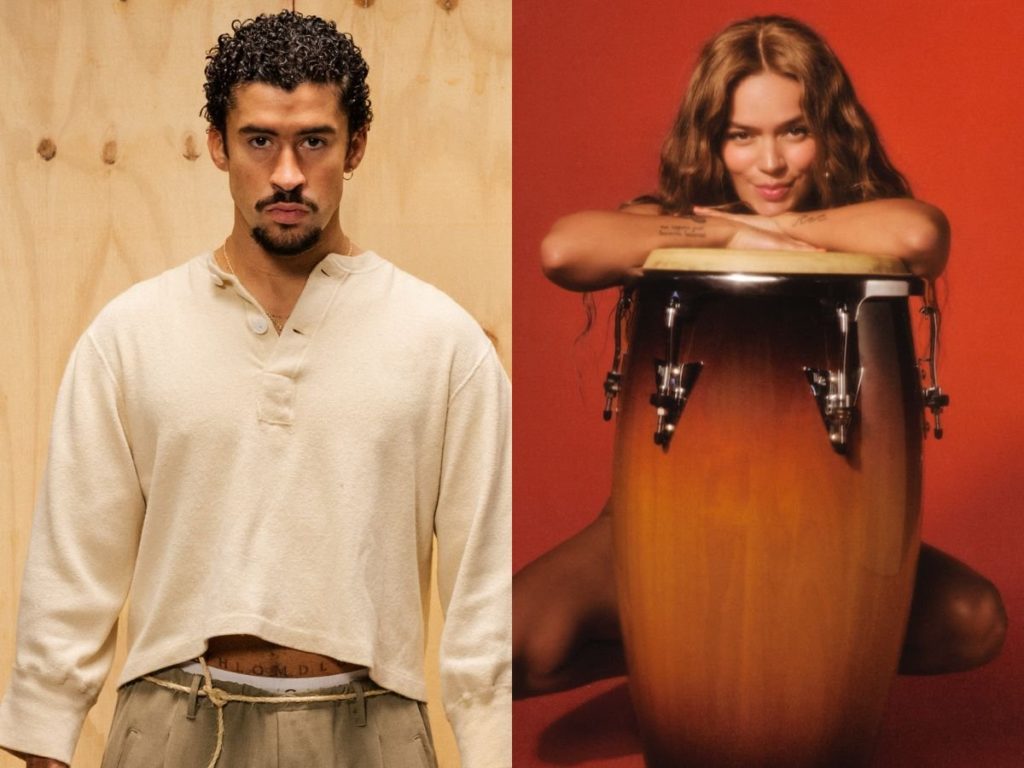
The upcoming Latin Grammy Awards promise a dazzling celebration of music, bringing together legendary performers and rising stars in a line-up that embodies the full spectrum of Latin creativity. From Liniker’s soulful presence to the global dominance of Bad Bunny, the event stands as a reflection of how Latin music continues to evolve, diversify, and captivate the world.
Representing Brazil with strength and originality, Liniker emerges as one of the most notable figures of the season. With nominations for major categories such as Album of the Year, Record of the Year, and Song of the Year for her project Caju, Liniker breaks new ground for Portuguese-language artists. Her nomination symbolizes a milestone for Brazilian music, affirming its place within the broader Latin cultural landscape.
In the realm of urban pop, Karol G continues to reign. Her nomination for “Si Antes Te Hubiera Conocido” solidifies her role as one of the defining voices of reggaeton and Latin pop. Karol G’s success is not only about catchy rhythms; it represents the rise of women leading the industry with power, emotion, and authenticity.
Meanwhile, Bad Bunny maintains his status as the unstoppable force of the Latin music scene. With several nominations under his belt, he continues to push boundaries, blending genres and social commentary in ways that connect with audiences across continents. His inclusion reaffirms his influence as a cultural phenomenon that transcends language and borders.
Adding an aura of legacy and timelessness to the event, Gloria Estefan returns as a nominee, reminding audiences of the bridge between Latin music’s golden past and its vibrant present. Her participation not only celebrates her career but also highlights how classic voices continue to inspire new generations of artists.
Beyond the established names, the line-up introduces fresh sounds from artists like Aitana, Morat, and Raphael, showcasing a wide range of musical expressions—from pop to alternative, from romantic ballads to experimental fusions. This diversity underscores the Grammy’s ongoing mission: to represent the full heartbeat of Latin culture, with all its rhythms, languages, and emotions.
What makes this year’s edition particularly compelling is the balance it strikes between innovation and tradition. It’s a reminder that the Latin Grammy is not just an award ceremony but a celebration of artistic evolution. It honors the pioneers who built the foundation while giving space to those rewriting the musical map today.
For Brazil, Liniker’s presence is deeply symbolic. It represents not only a personal victory but also a recognition of the richness of Portuguese-language music within the broader Latin context. And for global audiences, this year’s nominations reaffirm that Latin music remains one of the most vibrant, innovative, and unifying cultural forces in the world.
Ultimately, the upcoming Latin Grammy Awards promise more than performances and trophies—they offer a reflection of a living, breathing art form that keeps redefining itself while staying true to its roots. Under the same stage lights, past and future meet, and the rhythm of Latin identity continues to echo louder than ever.