WHO Declares International Emergency After New Ebola Outbreak in Central Africa
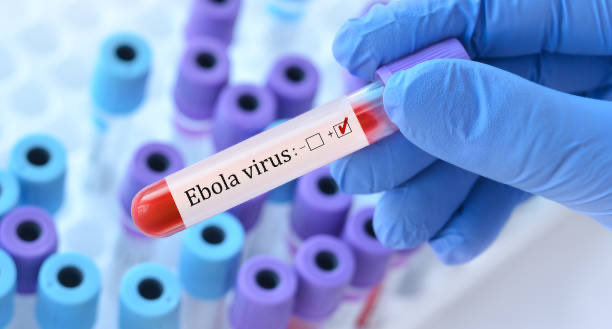
The World Health Organization (WHO) has once again placed the international community on alert after declaring a global health emergency due to the rapid spread of a new Ebola outbreak in several Central African countries. The growing number of confirmed infections and deaths linked to the virus has reignited fears of another major health crisis involving one of the deadliest diseases ever recorded on the African continent.
The WHO’s decision comes as international health authorities closely monitor the situation in regions considered highly vulnerable because of limited hospital infrastructure and fragile healthcare systems. Medical experts warn that intense population movement across borders could accelerate the spread of the virus to neighboring countries, increasing the risk of a broader humanitarian crisis.
Public health specialists emphasize that a rapid response will be essential to prevent the outbreak from spiraling out of control. In recent days, international medical teams have been deployed to strengthen epidemiological surveillance, isolate infected patients, trace contacts, and promote awareness campaigns within local communities.
Ebola is a severe viral disease known for its high mortality rate and its ability to spread quickly under poor sanitary conditions. Transmission occurs mainly through direct contact with bodily fluids from infected individuals or contaminated objects. Common symptoms include high fever, severe muscle pain, extreme fatigue, vomiting, and, in more critical cases, internal and external bleeding.
The new international alert has also prompted neighboring nations to tighten health screening measures at airports, land borders, and strategic urban centers in an effort to prevent regional expansion of the virus.
Africa’s history with Ebola remains a stark warning for global health authorities. Previous outbreaks claimed thousands of lives and placed enormous pressure on healthcare systems, especially in areas affected by poverty, armed conflicts, and limited access to basic medical care.
Despite scientific advances in recent years — including vaccines and more effective containment protocols — specialists acknowledge that Ebola continues to pose a serious threat in countries with weak healthcare infrastructure and logistical challenges.
The WHO stressed that the declaration of an international emergency is not solely a response to a local health concern. It also serves as a mechanism to accelerate international funding, deploy healthcare professionals, distribute medical supplies, and strengthen epidemiological monitoring efforts in affected regions.
At the same time, humanitarian organizations are expanding educational campaigns aimed at informing communities about prevention measures, early symptom recognition, and the importance of seeking immediate medical assistance in suspected cases.
The resurgence of Ebola has once again highlighted deep global inequalities in access to healthcare. International organizations argue that strengthening healthcare systems across vulnerable African regions will be crucial not only for containing the current outbreak but also for reducing the impact of future health crises.
As local authorities and international agencies continue working to contain the virus, the coming weeks are expected to be decisive in determining whether the outbreak can be controlled before it develops into a wider global health threat.