Vin Diesel Cleared: U.S. Court Dismisses Sexual Assault Case Against Actor
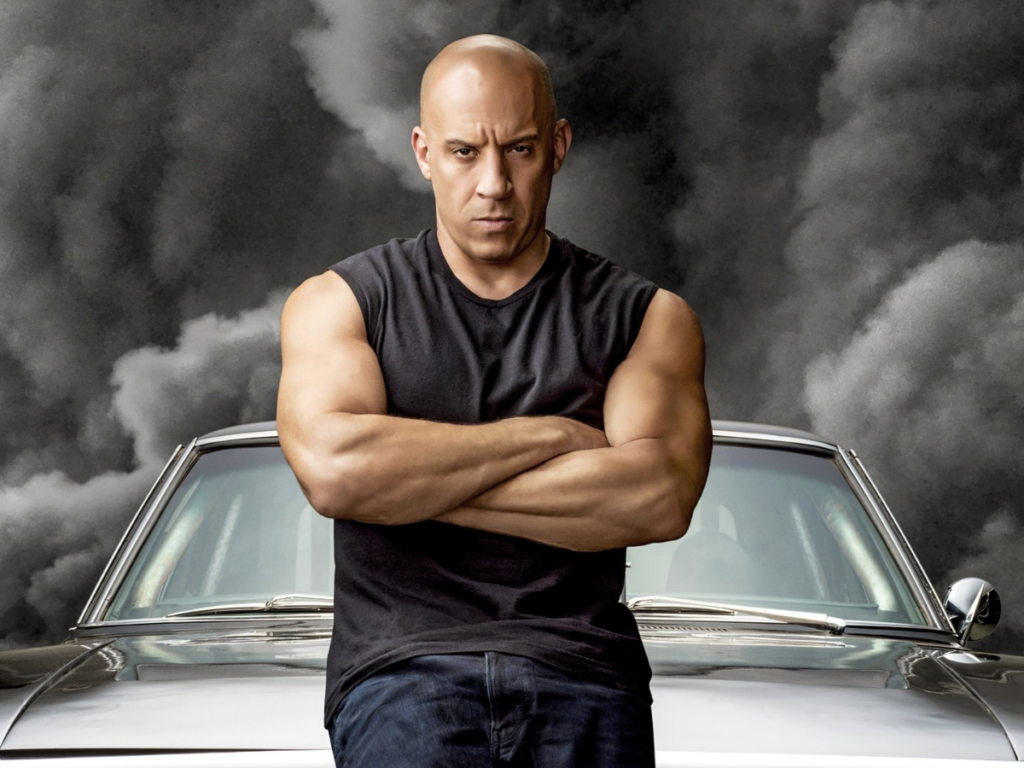
A legal battle that drew intense public attention has come to an end: a U.S. court has dismissed the sexual assault case filed against actor Vin Diesel by his former assistant, Asta Jonasson. The decision represents a significant victory for the star, closing a chapter that threatened to impact his career and public image.
The lawsuit centered on allegations dating back to the filming of “Fast Five,” when Jonasson claimed she was assaulted by Diesel during a stay in a hotel. She accused him of forcibly grabbing her, kissing her without consent, and masturbating in front of her. Jonasson also stated that she was dismissed shortly afterward as retaliation, adding charges of harassment, hostile work environment, and negligent supervision involving the actor’s production company.
Despite the seriousness of the accusations, the court’s dismissal was based on jurisdictional grounds rather than an evaluation of the allegations themselves. The presiding judge of the Superior Court of Los Angeles ruled that, because the alleged incident took place in Georgia, California law could not be applied to the case. The judge highlighted the impossibility of extending California’s legal reach to events occurring in other states, making the lawsuit unsustainable under the chosen jurisdiction.
Diesel’s legal team maintained throughout the proceedings that the actor vehemently denies all accusations. His attorney argued that Jonasson worked for the company only briefly and many years ago, insisting that there was no evidence capable of supporting the claims presented. With the dismissal, Diesel is not required to pay any damages or face further legal consequences related to this action.
The ruling, however, does not constitute a determination of innocence or guilt. Because the dismissal was rooted in jurisdictional limitations, the court did not analyze or rule on the merits of the allegations. Jonasson’s legal representatives have indicated the possibility of appealing the decision or exploring alternative legal avenues, although the outcome marks a significant setback for their case.
The controversy unfolds in an entertainment industry increasingly attentive to misconduct complaints, especially in environments involving power imbalance. Legal specialists note that cases involving older allegations and events spread across different states often face additional hurdles, complicating the pursuit of accountability.
For Vin Diesel, the decision brings a substantial measure of relief. Beyond avoiding a potentially damaging trial, he preserves his standing in an industry where reputation shapes opportunities and long-term influence. The outcome also underscores how legal technicalities—particularly jurisdiction—can become defining factors in high-profile disputes involving public figures.
While the case is closed for now, it reignites broader discussions about the challenges faced by victims seeking justice, the complexities of cross-jurisdictional litigation, and the scrutiny faced by celebrities in an era marked by greater awareness and intolerance toward abuse.