Iran Strikes Back: Khamenei Warns US and Israel of Severe Consequences

Aiatolá Khamenei
In a stern and unwavering statement, Iran’s Supreme Leader, Ayatollah Ali Khamenei, issued a stark warning to the United States, cautioning that any military intervention on Iranian soil would trigger “serious and irreparable consequences.” His words rekindle the tense atmosphere that has long defined nuclear and military relations in the Middle East, raising fears of escalating conflict in the region.
Khamenei made it clear that Iran “will not surrender” to external threats, reaffirming the country’s sovereignty and its resolve to respond decisively to any provocation. He stressed that any US action violating Iranian territory or attempting to force concessions would receive a proportional and punitive response designed to ensure that such missteps come at a heavy price.
This warning comes amid renewed tensions between Iran and Israel, with reports of missile launches and drone attacks along their shared borders. The Ayatollah described any direct attack—whether from the US or Israel—as a “grave mistake” that would provoke an “irrational” retaliation capable of destabilizing the entire region.
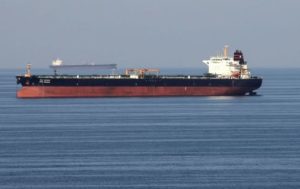
The timing of Khamenei’s declaration coincides with increased US military presence in the Persian Gulf, with American forces reinforcing naval and air power. His message serves as a clear boundary: any incursion will be treated as an act of war, with consequences including severe damage to the operational capabilities and military infrastructure of adversaries.
Khamenei’s rhetoric embodies a calculated deterrence strategy. By combining firm language with demonstrations of military readiness, he seeks to cultivate a cautious respect from Washington and its allies. The phrase “we will not surrender” echoes Iran’s historical narrative of resilience, shaped by decades of sanctions, conflicts, and regional rivalries.
Internationally, this hardline stance raises complex repercussions. Diplomatically, it puts pressure on US authorities who, despite no public signs of imminent attack, now face tougher scrutiny over the risks their actions might provoke. Militarily, it compels the US, Israel, and allied nations to reconsider and strengthen their defense strategies in a volatile environment.
Despite the powerful tone, the reality of confrontation is shaped by intricate geopolitical variables. Economic sanctions, multilateral diplomacy, and regional alliances—including those involving Iran, Turkey, Russia, and China—compose a complex framework that limits the scope for open conflict.
Looking ahead, a delicate balance between aggression and restraint is emerging. Iran’s assertive rhetoric serves as both a warning and a deterrent, aiming to forestall immediate intervention. Observers monitoring the evolving situation must watch closely for military maneuvers, diplomatic gestures, and direct actions—each signaling whether regional peace can be sustained or if a broader conflict will unfold.
What remains clear is that communication carries as much weight as weaponry in this high-stakes arena. For now, Iran signals it is ready to resist—both politically and strategically—in the ongoing contest for influence and security in the Middle East.