Historic February Snowstorm Brings the Northeast United States to a Standstill
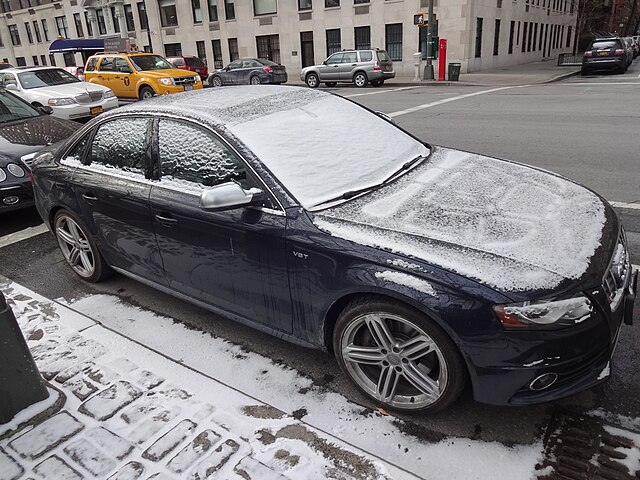
A powerful winter storm swept across large portions of the United States in February 2026, burying parts of the Northeast under massive snowfall, disrupting transportation networks, and leaving hundreds of thousands without power. Meteorologists described the system as one of the most significant snow events in recent years, with widespread impacts on daily life and economic activity.
The storm intensified rapidly as it moved along the East Coast, affecting states including New York, Massachusetts, Rhode Island, Connecticut, New Jersey, and Pennsylvania. In several areas, snowfall totals exceeded expectations, with some communities recording well over two feet of accumulation. Combined with strong winds and plunging temperatures, conditions quickly deteriorated, prompting state and local authorities to declare emergencies and impose travel restrictions.
Major metropolitan areas faced severe disruptions. In New York City and surrounding regions, heavy snow and near-whiteout conditions forced the cancellation of thousands of flights and halted public transportation services. Highways were closed to non-essential travel as snowplows struggled to keep pace with the relentless snowfall. Long Island and coastal communities were particularly hard hit, with drifts piling up and coastal flooding reported in low-lying areas.
Massachusetts and Rhode Island experienced some of the heaviest snowfall totals, with certain towns reporting accumulations approaching three feet. The combination of heavy, wet snow and strong wind gusts downed power lines, leaving large numbers of residents without electricity. Utility crews worked around the clock to restore service, but freezing temperatures complicated repair efforts and increased the risk of additional outages.
Air travel across the Northeast corridor was severely impacted. Major airports suspended operations for extended periods, resulting in cascading delays nationwide. Rail services also faced interruptions, while bus routes were either limited or temporarily suspended due to hazardous road conditions. For many residents, the storm meant days confined indoors as authorities urged people to avoid unnecessary travel.
Emergency services were stretched thin as they responded to weather-related incidents, including vehicle accidents, stranded motorists, and medical emergencies. Warming centers were opened in several communities to assist vulnerable populations, particularly the elderly and those without reliable heating. Officials emphasized the importance of checking on neighbors and preparing emergency kits as temperatures dipped well below seasonal averages.
Beyond the immediate safety concerns, the economic toll of the storm was significant. Businesses closed for multiple days, supply chains experienced delays, and schools shifted to remote learning where possible. Retailers and service providers reported losses, while municipalities faced substantial costs related to snow removal and infrastructure repair.
Climatologists noted that while winter storms are common in the Northeast, the intensity and rapid development of this system underscored the challenges posed by extreme weather patterns. The event reignited discussions about infrastructure resilience and preparedness in densely populated regions vulnerable to severe winter conditions.
As cleanup operations continued and transportation systems gradually resumed normal operations, the February 2026 snowstorm stood out as a stark reminder of nature’s capacity to disrupt even the most developed urban centers. For millions of Americans, it was a week defined by snow, silence, and the collective effort to endure one of the season’s most formidable storms.