Global Tensions Rise as Iran Tightens Control Over Strategic Oil Route
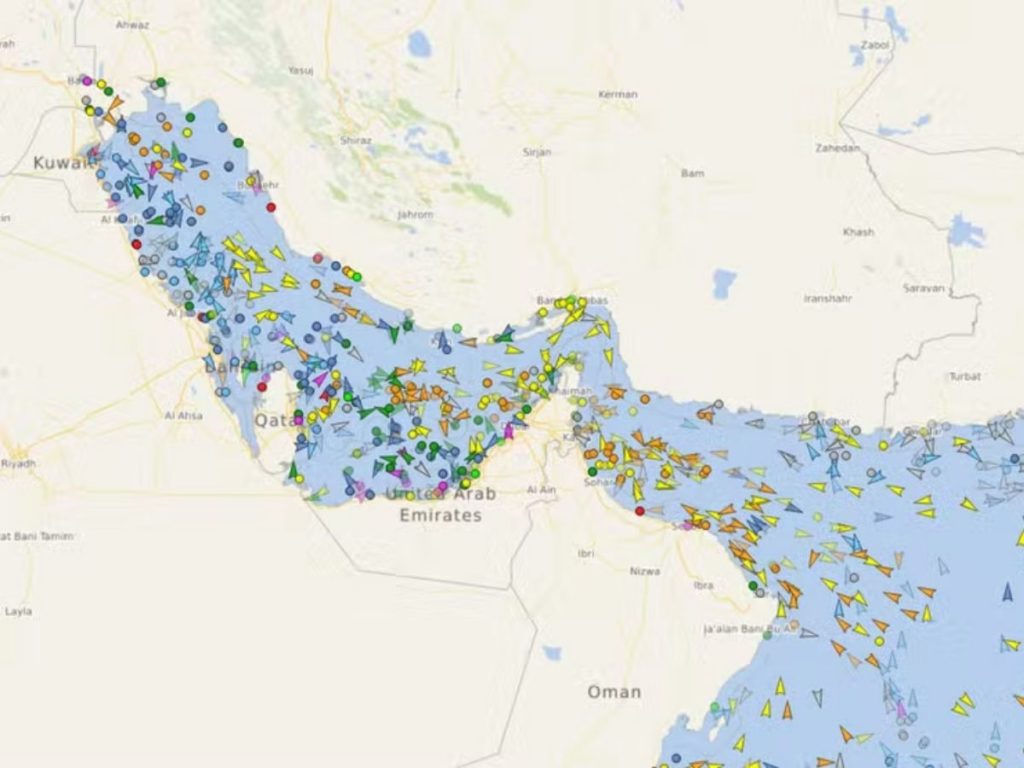
Ormuz
Iran’s renewed restrictions on maritime traffic through the Strait of Hormuz have intensified geopolitical tensions and raised concerns across global markets. The move, seen as a direct response to ongoing disputes with the United States, places one of the world’s most critical النفط shipping corridors at the center of a growing international crisis.
The Strait of Hormuz is a narrow but vital passage connecting the Persian Gulf to the Arabian Sea, through which a significant portion of the world’s oil supply is transported daily. Any disruption in this route has immediate ripple effects on global energy prices, supply chains, and economic stability. Iran’s decision to impose tighter controls has already triggered uncertainty among shipping companies and energy markets.
According to regional developments, Iranian authorities have reinforced their military presence in the area, increasing surveillance and enforcing stricter navigation rules for vessels crossing the strait. The government argues that these measures are necessary to protect national sovereignty and respond to what it describes as continued provocations and pressure from the United States and its allies.
The escalation follows a series of diplomatic breakdowns and military incidents that have strained relations between Tehran and Washington. Accusations of non-compliance with previous agreements and increased naval activity in the region have fueled mistrust on both sides. As a result, the Strait of Hormuz has once again become a strategic leverage point in the broader geopolitical dispute.
Shipping companies operating in the region are already adapting to the new reality. Reports indicate that some vessels are altering routes, delaying transit, or implementing additional security measures to mitigate risks. Insurance costs for maritime transport have also surged, reflecting heightened concerns over potential confrontations or disruptions.
The United States has responded by reinforcing its naval presence in the region, signaling a readiness to protect international shipping lanes and ensure the free flow of commerce. Officials in Washington have warned that any attempt to block or significantly restrict passage through the strait could lead to serious consequences, including possible military action.
Beyond the immediate military and political implications, the situation carries significant economic weight. Oil prices have shown increased volatility, with markets reacting to the uncertainty surrounding supply routes. Countries heavily dependent on energy imports are closely monitoring the developments, aware that prolonged instability could affect fuel costs and inflation globally.
Analysts view Iran’s control over the Strait of Hormuz as a powerful strategic tool. By tightening access, the country can exert pressure on global markets and influence diplomatic negotiations. However, this approach also raises the stakes, increasing the risk of unintended escalation in an already fragile region.
The current scenario underscores the delicate balance between geopolitical strategy and global economic stability. As tensions continue to unfold, the international community faces growing pressure to seek diplomatic solutions that can prevent further escalation and safeguard one of the world’s most critical trade routes.
For now, the Strait of Hormuz remains under close watch, symbolizing both the vulnerability and the interconnectedness of the global economy in times of political conflict.