
Major Seasoning Recall Raises Food Safety Concerns Across the United States
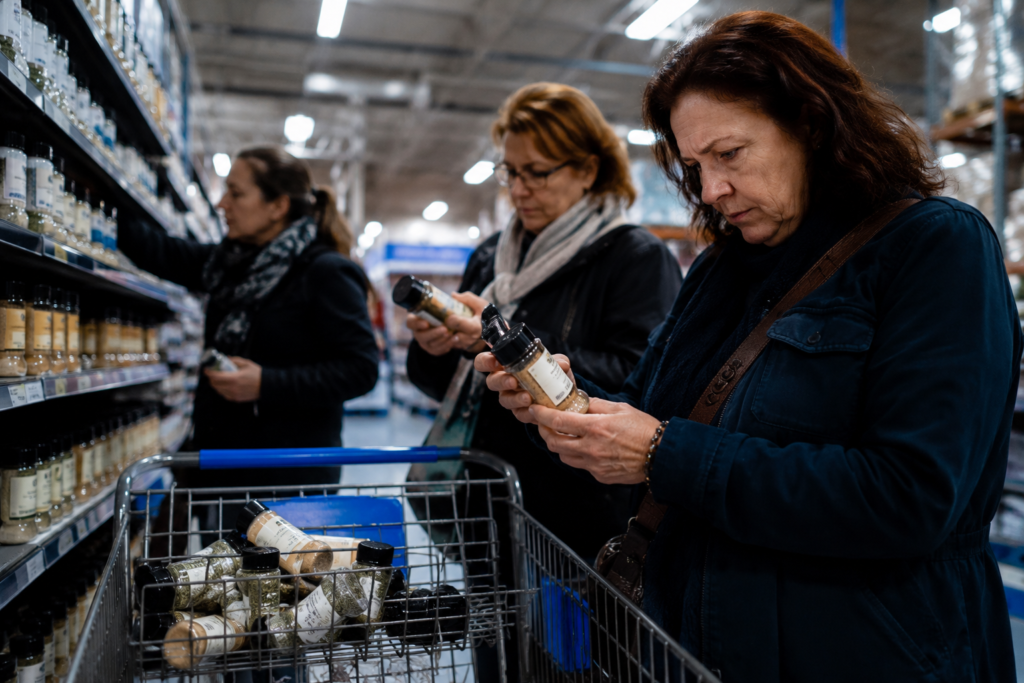
A food safety warning involving a popular seasoning product sold at Walmart stores has generated widespread concern across the United States. The recall affects a Parmesan Ranch seasoning distributed under the Blackstone brand, a product commonly used by consumers for grilling, barbecue preparation, and home cooking.
The recall was initiated after concerns surfaced regarding the possible presence of undeclared allergens in the seasoning mix. Health officials and food safety specialists warned that consumers with allergies or sensitivities to milk-related ingredients could face serious health risks if the product is consumed without proper labeling information.
The case quickly gained national attention due to Walmart’s massive retail presence and the growing demand for specialty seasonings and gourmet cooking products in the American market. In recent years, outdoor cooking and grilling culture have become increasingly popular in the United States, helping products like Blackstone seasonings gain strong visibility among consumers.
Although no large-scale medical emergencies linked to the seasoning had been publicly confirmed at the time of the recall announcement, authorities treated the situation as a preventive measure designed to protect consumers before more severe incidents could occur. Food safety experts frequently emphasize that undeclared allergens remain one of the leading causes of food-related recalls in North America.
Consumers who purchased the seasoning were advised to stop using the product immediately and seek refunds or proper disposal guidance. Health professionals also encouraged individuals with food allergies to remain alert for possible symptoms such as breathing difficulties, skin irritation, swelling, or other allergic reactions in the event of accidental consumption.
The incident also reignited broader discussions surrounding food labeling transparency and industrial quality control. In today’s global food industry, consumers increasingly expect companies to provide clear ingredient disclosures and maintain strict production standards, especially when products are distributed on a national scale through major retail chains.
For Walmart and the manufacturer involved, the recall represents not only a logistical challenge but also a reputational issue. Food recalls can significantly impact consumer trust, particularly in highly competitive retail markets where brand reliability and product safety are closely tied to purchasing decisions.
Behind the scenes, the American food industry continues investing heavily in monitoring systems, supply chain inspections, and quality assurance procedures to minimize risks associated with contamination, packaging mistakes, and labeling failures. Even small production errors can trigger major recalls capable of affecting thousands of consumers nationwide.
The growing popularity of premium seasonings and specialty food products has also increased pressure on manufacturers to maintain rigorous oversight throughout every stage of production and packaging. As more consumers embrace gourmet cooking experiences at home, expectations regarding food safety and ingredient transparency continue rising.
Industry analysts believe situations like this demonstrate how rapidly food safety concerns can become national headlines in the digital era. Social media platforms and online consumer communities often amplify recall alerts within hours, increasing public scrutiny and forcing companies to respond quickly and transparently.
While investigations into the labeling issue continue, the recall serves as another reminder of the importance of strict food safety protocols in modern retail. For consumers, the episode reinforces the need to pay close attention to ingredient labels and recall announcements, especially for products involving potential allergens.
The case surrounding the Blackstone seasoning recall highlights how a single labeling concern can trigger nationwide attention, impact major corporations, and place consumer safety at the center of public debate in the United States.