Ebola Outbreak Forces DR Congo National Team to Move World Cup Preparations Abroad
timepostnews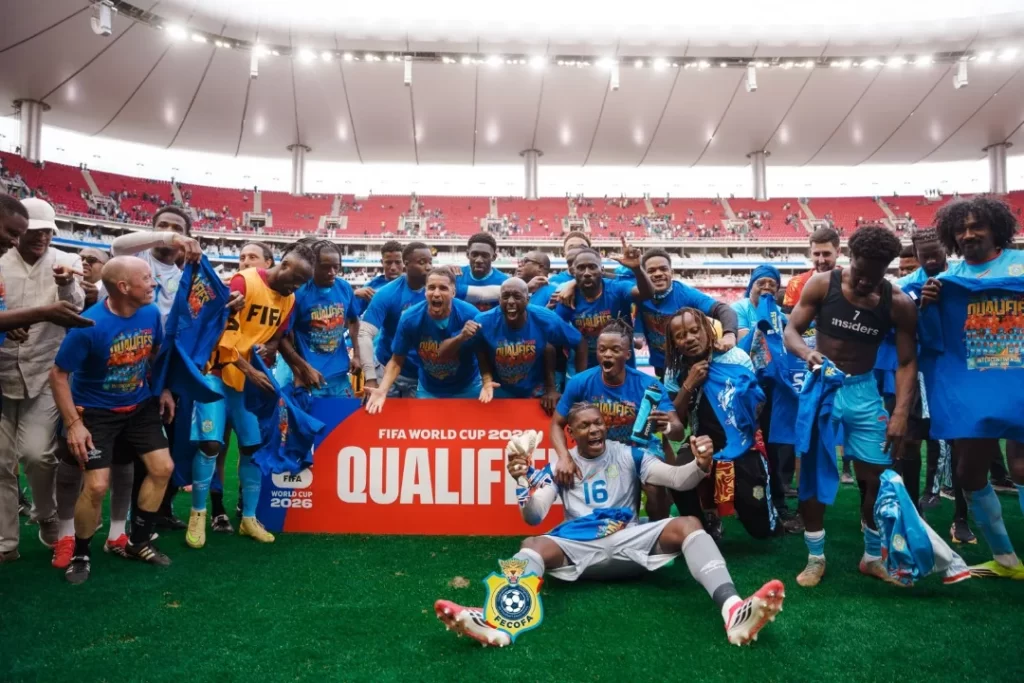
Ebola
The Democratic Republic of Congo’s national football team has been forced to cancel part of its World Cup preparations inside the country following growing concerns over a new Ebola outbreak. The decision has intensified international attention on the impact that public health crises continue to have on global sports.
Congolese football authorities confirmed that scheduled training camps and team activities planned within the country would be suspended as a precautionary measure. Officials opted to relocate portions of the team’s preparation abroad in an effort to protect players, coaching staff, and support personnel from potential exposure to the virus.
The move comes at a critical moment for the national team, which has been building momentum ahead of one of the most important international competitions in its recent history. Expectations surrounding the squad had been rising after strong performances and the emergence of a promising generation of players competing in both African and European leagues.
However, the Ebola outbreak has created a wave of uncertainty that extends far beyond the football field. Health concerns, logistical complications, travel restrictions, and emotional stress have all become part of the team’s preparation process.
Ebola remains one of the world’s most feared viral diseases due to its high fatality rate and history of outbreaks across parts of Africa. Symptoms can include fever, severe weakness, muscle pain, and, in advanced cases, internal and external bleeding. Although international health agencies have improved monitoring and containment strategies over the years, any resurgence of the virus quickly raises alarm across the global community.
For the DR Congo squad, the outbreak represents more than a sporting disruption. Several players reportedly have relatives and loved ones living in affected areas, adding an emotional burden to an already tense situation. Team officials are now working to balance competitive preparation with the mental well-being of athletes coping with concerns about family safety back home.
The situation also highlights how deeply interconnected sports and public health have become in the modern era. Years after the COVID-19 pandemic reshaped international competitions, leagues, and tournament protocols, global sports organizations remain highly sensitive to infectious disease threats.
Football analysts say the decision to relocate training activities was necessary and reflects a growing trend among national federations to prioritize health security when facing epidemic risks. The adjustment is expected to preserve the team’s tactical and physical preparation while minimizing exposure to potential outbreaks.
Behind the scenes, international football authorities and health organizations continue monitoring developments closely. While there is currently no indication that international competitions themselves are under threat, officials are expected to maintain enhanced medical protocols involving travel, accommodations, and player monitoring.
Beyond football, the outbreak once again exposes the broader challenges many African nations face when dealing with public health emergencies. Epidemics often affect not only healthcare systems, but also transportation, tourism, economic activity, and international events.
Despite the uncertainty, DR Congo’s national team remains determined to stay focused on its World Cup ambitions. Coaches and federation officials are working to maintain stability and morale as players continue preparations away from home.
As the team adjusts to extraordinary circumstances, the story has become a reminder that international sports are often shaped not only by talent and competition, but also by global events capable of altering entire seasons, careers, and national expectations overnight.