Africa Takes Historic Step With First Large-Scale Rollout of Twice-Yearly HIV Prevention Injection
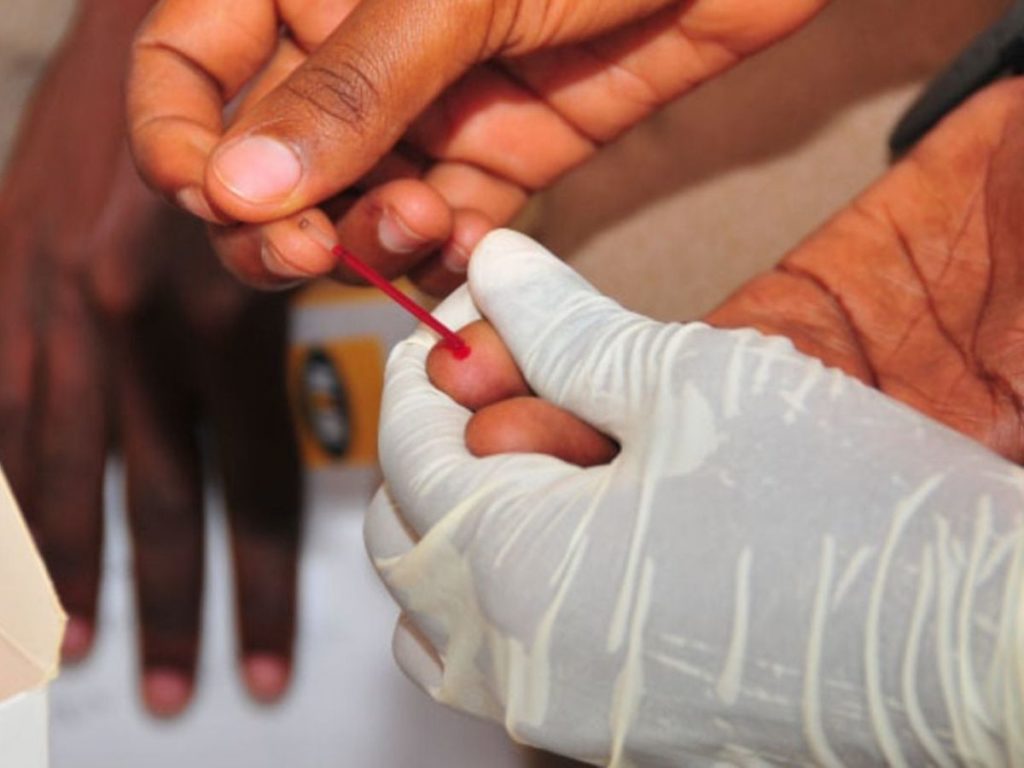
In a milestone for global public health, three African nations deram início à aplicação em larga escala de um novo medicamento injetável de prevenção ao HIV, considerado um dos avanços mais promissores das últimas décadas no combate ao vírus. A iniciativa marca a primeira implementação rotineira, em nível nacional, de uma injeção semestral capaz de reduzir drasticamente o risco de infecção, oferecendo uma alternativa mais prática e eficaz em comparação aos métodos tradicionais.
The rollout introduces cabotegravir long-acting, a medication administered only twice a year. Clinical evidence shows that the injectable offers stronger and more consistent protection than daily oral pre-exposure prophylaxis (PrEP), particularly for individuals who struggle to maintain a daily pill regimen. By simplifying adherence and providing long-term coverage, the injection increases the likelihood of sustained protection among high-risk populations.
Health authorities describe the move as transformative. In many regions, the main barrier to effective prevention has not been access to medication itself, but the challenges of maintaining routine use. The long-acting formulation reduces stigma associated with carrying or taking pills, eases the burden on health systems and patients, and expands prevention to communities previously underserved by traditional methods.
The three countries implementing the strategy have played a crucial role in global efforts to reduce new HIV infections, often pioneering innovative public health models. By incorporating the injection into their national HIV programs, they send a strong signal about the importance of expanding prevention options beyond the status quo.
The initiative also responds to growing demand among young people, women and other vulnerable groups disproportionately affected by HIV. Many of these populations face social, cultural or economic barriers that limit consistent access to daily medication. The injection—administered in a clinic only twice per year—helps overcome obstacles related to privacy, transportation, stigma and daily adherence.
Despite the enthusiasm, the launch comes with challenges. The high production cost of cabotegravir long-acting has been a point of tension. Global health organizations have long negotiated with the manufacturer to make the product more accessible to low- and middle-income countries. Although the price remains higher than ideal, the rollout demonstrates confidence that broader adoption will eventually help drive down costs and expand manufacturing capacity.
Public health specialists emphasize that the injection should complement, not replace, existing strategies. Condom distribution, testing, antiretroviral treatment for those living with HIV, and daily PrEP remain essential components of comprehensive prevention. By integrating the injection into this broader framework, health systems hope to achieve greater reach and reduce transmission rates more effectively.
On the ground, healthcare workers have been trained to administer the injection and educate communities about its benefits and limitations. Early reports indicate strong interest among at-risk groups, with many viewing the new method as a discreet and convenient option for long-term protection.
The rollout is being closely monitored by international health agencies, which consider the initiative a test case for potential expansion to other nations. If successful, the twice-yearly injection could become a new global standard in HIV prevention, reshaping strategies and offering renewed hope in the effort to curb new infections.
As the world continues to search for more effective tools against HIV, the pioneering actions of these African nations underscore the importance of innovation, accessibility and community-centered policies. The success of this initiative may well mark a turning point—one that brings the world closer to a future where HIV prevention is simpler, more inclusive and more effective than ever.