United States Tightens Stay Rules for Students, Exchange Visitors and Journalists
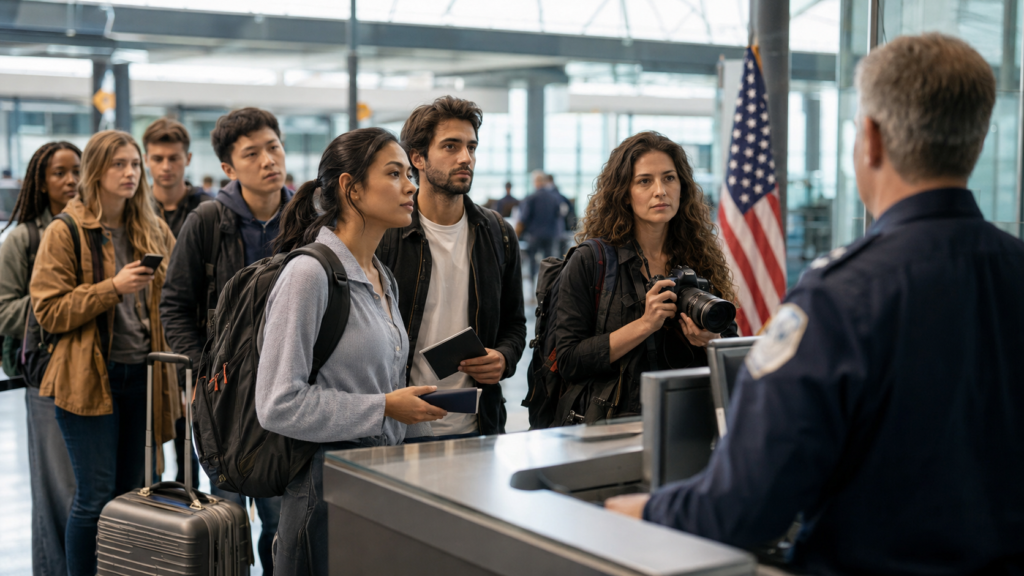
The United States government announced on Thursday, July 16, a series of changes to the rules governing foreign students, exchange program participants and members of the international press. The new regulations establish maximum periods of stay and expand federal oversight of extension requests.
The measures were announced by the U.S. Department of Homeland Security and are expected to take effect 60 days after their publication in the Federal Register. Before becoming effective, the regulation will still be reviewed by the U.S. Congress.
Under the current system, certain foreign nationals may remain in the country as long as they continue to meet the requirements associated with their studies, exchange programs or professional activities. Under the new rules, their authorized stay will have a specific expiration date.
Anyone who needs to remain in the United States beyond the authorized period will be required to formally request an extension from U.S. Citizenship and Immigration Services. The procedure may include biometric data collection, background checks and reviews designed to identify irregularities or fraud.
Students Will Face a Four-Year Limit
Under the new rules, foreign students holding F visas and exchange visitors holding J visas will be allowed to remain in the United States for the duration of their academic course or exchange program, with a maximum limit of four years.
If a program lasts longer or additional time is required, the foreign national will have to apply for an extension. Another option will be to leave the United States and request readmission.
The regulation also introduces restrictions on changes involving courses, educational institutions and academic programs. The goal is to increase oversight of changes made after a student enters the country and determine whether the person’s stay remains consistent with the original purpose of the visa.
Another significant change concerns the grace period granted after the completion of studies. For F-1 visa holders, this period will be reduced from 60 days to 30 days.
This interval allows students to arrange their departure, request a transfer to another institution or apply for a change in immigration status. With the shorter period, foreign students will have less time to complete those procedures.
Foreign Journalists Will Also Be Affected
The changes will also apply to foreign journalists working in the United States on media visas. Under the new regulation, the maximum authorized stay will be 240 days.
For Chinese nationals working as journalists, the limit will be 90 days. In both cases, professionals will be allowed to request extensions when they need additional time to continue their assignments in the country.
The new limits will require greater planning from media organizations, international correspondents and teams responsible for long-term coverage. Journalistic assignments lasting beyond the authorized period will depend on a new government review.
The measures represent an expansion of federal oversight of temporary visa categories. Students, universities, exchange organizations and media companies will need to monitor the regulation and determine how the new deadlines will be implemented.
Until the changes take effect, those affected must continue to follow the conditions currently listed in their immigration documents. Extension requests, changes of academic programs and applications for a different immigration status will continue to be reviewed individually according to the visa category and authorized period of stay.