Intelligence Warning Raises Tensions After Alleged Plot Against Donald Trump
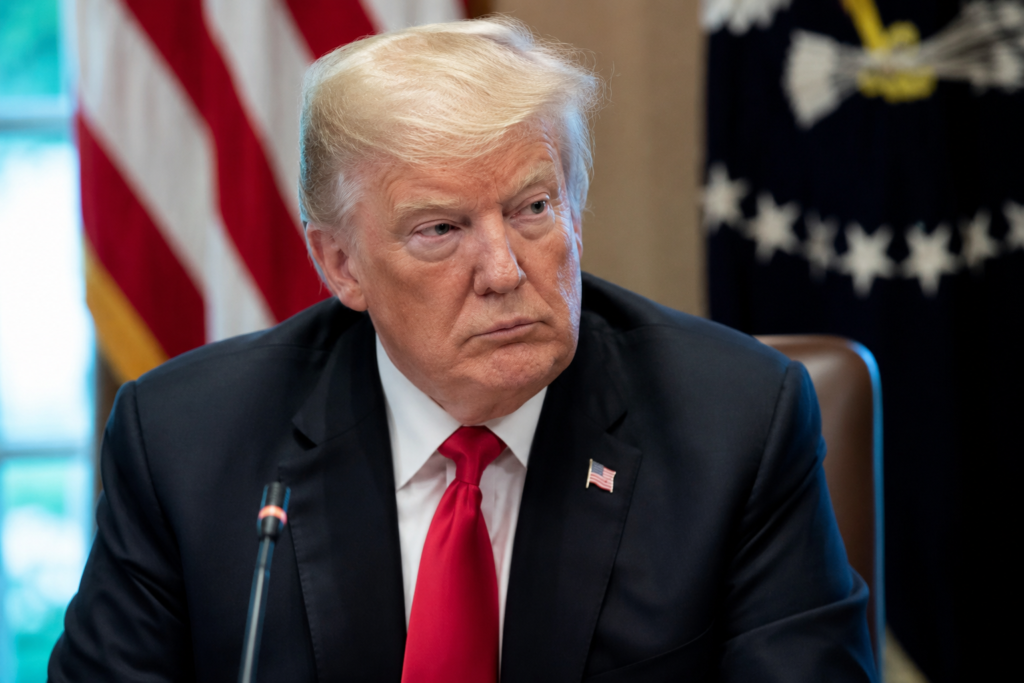
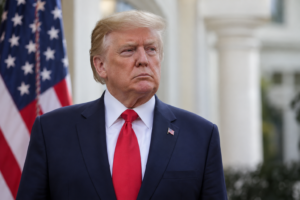
An intelligence warning has intensified geopolitical tensions after reports emerged that Israeli authorities informed the United States of an alleged Iranian plot to assassinate President Donald Trump. While officials have not publicly disclosed operational details, the information has prompted heightened security concerns and renewed attention to the longstanding confrontation between Washington and Tehran.
According to the reported intelligence assessment, Israeli officials shared information with their American counterparts suggesting that Iran may have been involved in planning an attack targeting the U.S. president. The nature, timing and credibility of the alleged threat have not been publicly confirmed, and authorities have remained cautious about releasing sensitive information while security agencies continue their evaluations.
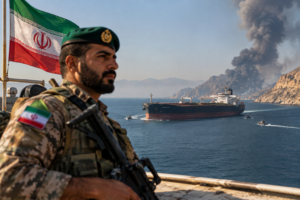
The reported warning comes at a time of increased instability across the Middle East, where military operations, political disputes and regional rivalries have continued to fuel uncertainty. In such an environment, intelligence concerning potential threats against world leaders is treated with the highest level of seriousness, often leading to enhanced security measures and closer cooperation between allied governments.
Donald Trump has previously stated that he believes he remains a target of the Iranian government. Those concerns are closely linked to the events of January 2020, when a U.S. military operation ordered during his administration killed Iranian General Qassem Soleimani, one of the country’s most influential military commanders. The strike marked a turning point in relations between the two nations and significantly increased regional tensions.
Since Soleimani’s death, Iranian officials have repeatedly condemned the operation and vowed to hold those responsible accountable. Although public statements have often been framed in political and legal terms, Western security agencies have continued to monitor any intelligence suggesting potential retaliatory actions against current or former American leaders.
Neither the United States nor Israel has publicly released evidence supporting the reported assassination plot. Officials from both countries have remained largely reserved, emphasizing the importance of protecting intelligence sources and ongoing security operations. Iranian authorities have also not issued a detailed official response addressing the latest allegations.
International affairs analysts note that intelligence warnings of this nature frequently influence diplomatic calculations, even before they can be independently verified. Governments often respond by strengthening protective measures, increasing surveillance and reassessing security protocols for senior officials. Such developments can also complicate diplomatic efforts and further strain already fragile international relationships.
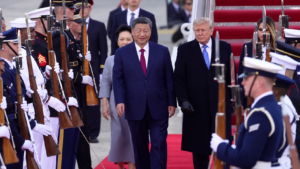
The intelligence cooperation between the United States and Israel remains one of the closest security partnerships in the world, particularly regarding developments in the Middle East. Information sharing between the two allies plays a central role in identifying potential threats before they materialize and in coordinating responses to evolving regional challenges.
As investigations and intelligence assessments continue, security agencies are expected to maintain heightened vigilance around President Trump and other senior officials. Regardless of the outcome of the inquiry, the reported threat underscores the fragile security environment surrounding the Middle East and highlights how regional conflicts continue to carry significant global political and diplomatic consequences.