
Building Scalable Operations: The Strategic Leadership of Cátila Souza in Brazil’s Energy Distribution Sector
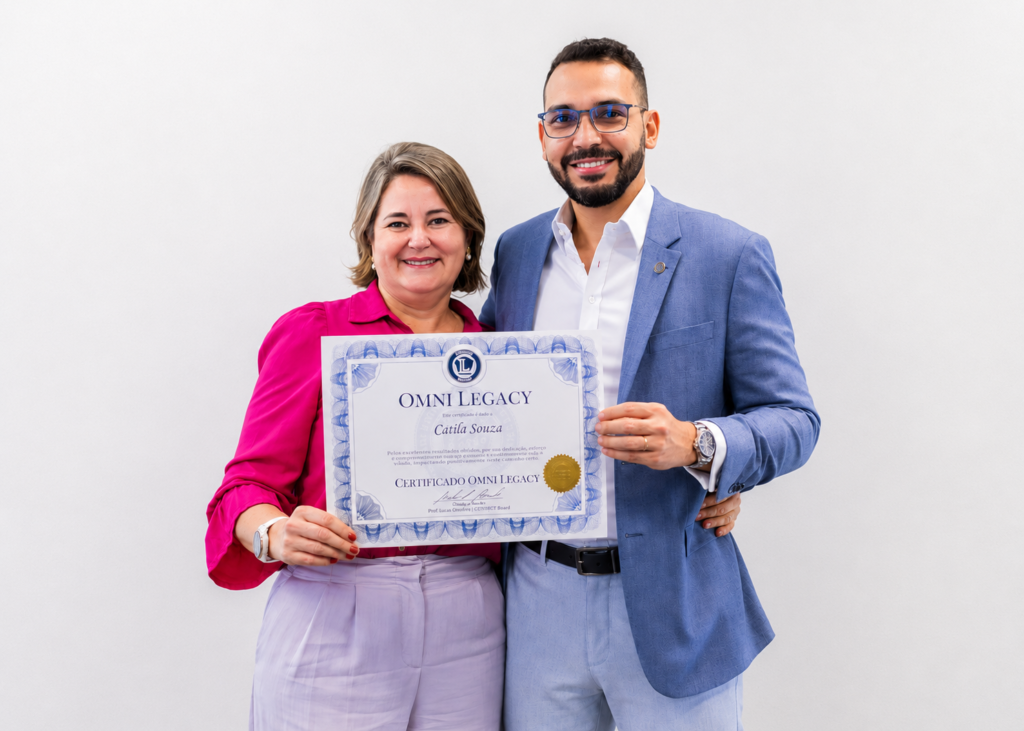
Cátila Souza
Over the past two decades, Brazil’s energy distribution sector has undergone significant transformation. Increased market competition, evolving regulatory requirements, shifts in consumer behavior, and growing demands for operational efficiency have reshaped how companies structure and manage their businesses. Within this increasingly competitive environment, operational scalability and sustainable growth have become essential components for long-term business performance and resilience.
As companies operating in energy distribution face challenges involving logistics, workforce coordination, financial management, customer retention, and regional expansion, executive leadership increasingly plays a decisive role in determining organizational success. Among the executives who have developed their careers within this environment is Cátila Souza, a Brazilian business leader with more than 25 years of experience in financial management, commercial strategy, operations, and business development.
Throughout her professional trajectory, Souza has developed expertise at the intersection of operational execution and strategic planning, building and leading businesses involved in the distribution of liquefied petroleum gas (GLP), a sector characterized by logistical complexity, inventory management requirements, regulatory oversight, and the necessity for efficient multi-location operations.
Operational Scale and Financial Performance
One of the principal characteristics of large-scale distribution businesses is the ability to maintain operational consistency while managing increasing complexity. Internal business records associated with companies under Souza’s leadership indicate substantial revenue generation and sustained commercial activity over multiple years, demonstrating business continuity and operational stability. Financial reports reflect multi-million annual revenue levels, while operational records indicate significant monthly commercial activity and extensive customer relationships.
Beyond revenue metrics, operational scale can also be measured through organizational structure and workforce distribution. Internal employee reports demonstrate teams operating across multiple locations and municipalities, requiring coordinated management systems and logistical oversight. Workforce expansion across regional units reflects the complexity involved in maintaining service standards, operational efficiency, and organizational integration in geographically distributed environments.
In sectors such as energy distribution, operational scale introduces challenges extending beyond sales performance alone. Inventory movement, transportation logistics, supplier coordination, customer management, cost control, and workforce administration become interconnected elements requiring continuous strategic alignment. Successfully integrating these components often determines whether a business can sustain growth over time.
A Hybrid Leadership Model
Souza’s leadership model combines strategic oversight with direct operational engagement. Rather than assuming an exclusively institutional or supervisory role, her management approach incorporates active participation in business processes, performance monitoring, organizational planning, and operational decision-making.
This hybrid approach has enabled organizational growth while preserving consistency in execution—an important challenge for businesses operating within distribution networks where performance often depends on coordination across multiple operational units.
The ability to balance executive-level planning with operational understanding can become particularly relevant in industries requiring rapid decision-making and responsiveness to changing market conditions. Leadership structures that maintain visibility across operational activities may improve organizational adaptability and facilitate more effective resource allocation.
Additionally, this management model contributes to the development of internal organizational culture by creating alignment between strategic objectives and day-to-day business execution.
Strategic Expansion and Business Diversification
As her professional career evolved, Souza expanded her activities beyond traditional operational management. In recent years, her business initiatives have included broader corporate structuring activities involving holdings, investment management, asset planning, and international business operations. Professional records indicate involvement in corporate entities dedicated to financial management, investment activities, transportation logistics, and strategic business development.
This progression reflects an evolution frequently observed among executives transitioning from operational management responsibilities toward long-term value creation and portfolio-based business strategies.
Rather than focusing exclusively on day-to-day operations, diversification efforts may create opportunities for broader economic participation, risk management, and strategic resource allocation. Such transitions frequently require a different leadership framework involving corporate governance, financial planning, and organizational architecture.
Leadership Through Long-Term Value Creation
Building scalable businesses requires more than growth itself; it requires the development of systems capable of sustaining expansion while maintaining operational effectiveness. Across sectors dependent on logistics, workforce coordination, and customer relationships, sustainable growth frequently emerges from the alignment of financial management, strategic planning, and operational execution.
Over more than two decades, Cátila Souza’s professional trajectory reflects a business leadership approach centered on organizational development and operational continuity. Her experience illustrates how executives operating within traditional industries can adapt to changing market dynamics while pursuing broader strategic opportunities.
As Brazil’s energy and distribution sectors continue to evolve, the ability to integrate operational discipline with long-term strategic vision may remain an increasingly relevant characteristic for business leaders navigating complex and competitive environments.