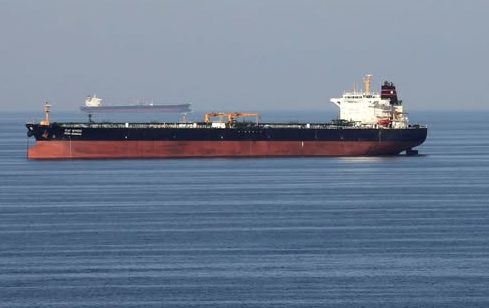
Maritime traffic through the Strait of Hormuz has risen to its highest level since the early days of the current Middle East conflict, as governments intensify negotiations with Tehran to secure safe passage for energy shipments and commercial vessels.
Over the weekend, a total of 21 ships crossed the strategic waterway, marking the busiest two-day period since early March, when traffic had been declining. Of these, 13 vessels were bound for the Arabian Sea, signaling a partial recovery in maritime flows despite ongoing geopolitical tensions.
The increase is largely driven by countries facing energy shortages, which have been negotiating directly with Iran to facilitate the movement of ships, cargo, and crews out of the Persian Gulf. These arrangements underscore Iran’s growing influence over one of the world’s most critical النفط transit routes.
While Iranian vessels continue to dominate traffic in the region, there have been notable exceptions. A tanker carrying oil from Iraq successfully passed through the strait after Iran granted a special exemption, described as a gesture toward its neighboring ally.
Meanwhile, India has emerged as a key player in recent negotiations. The country has secured passage for several of its vessels and, for the first time in years, received liquefied petroleum gas (LPG) shipments from Iran. In total, eight Indian LPG tankers have crossed the strait, highlighting a renewed energy cooperation between the two nations.
The surge in traffic comes amid heightened global uncertainty, with energy markets closely monitoring developments in the region. The Strait of Hormuz remains a vital corridor for global oil supply, and any disruption—or controlled access—can have immediate ripple effects on prices and international trade.
Analysts caution that while the recent increase in crossings offers short-term relief, the reliance on bilateral agreements with Iran may deepen geopolitical dependencies for energy-importing nations. The situation continues to illustrate how diplomacy, conflict, and resource security are tightly intertwined in shaping global energy dynamics.