
Humanity Returns to Deep Space: Artemis II Signals New Era of Lunar Exploration
timepostnews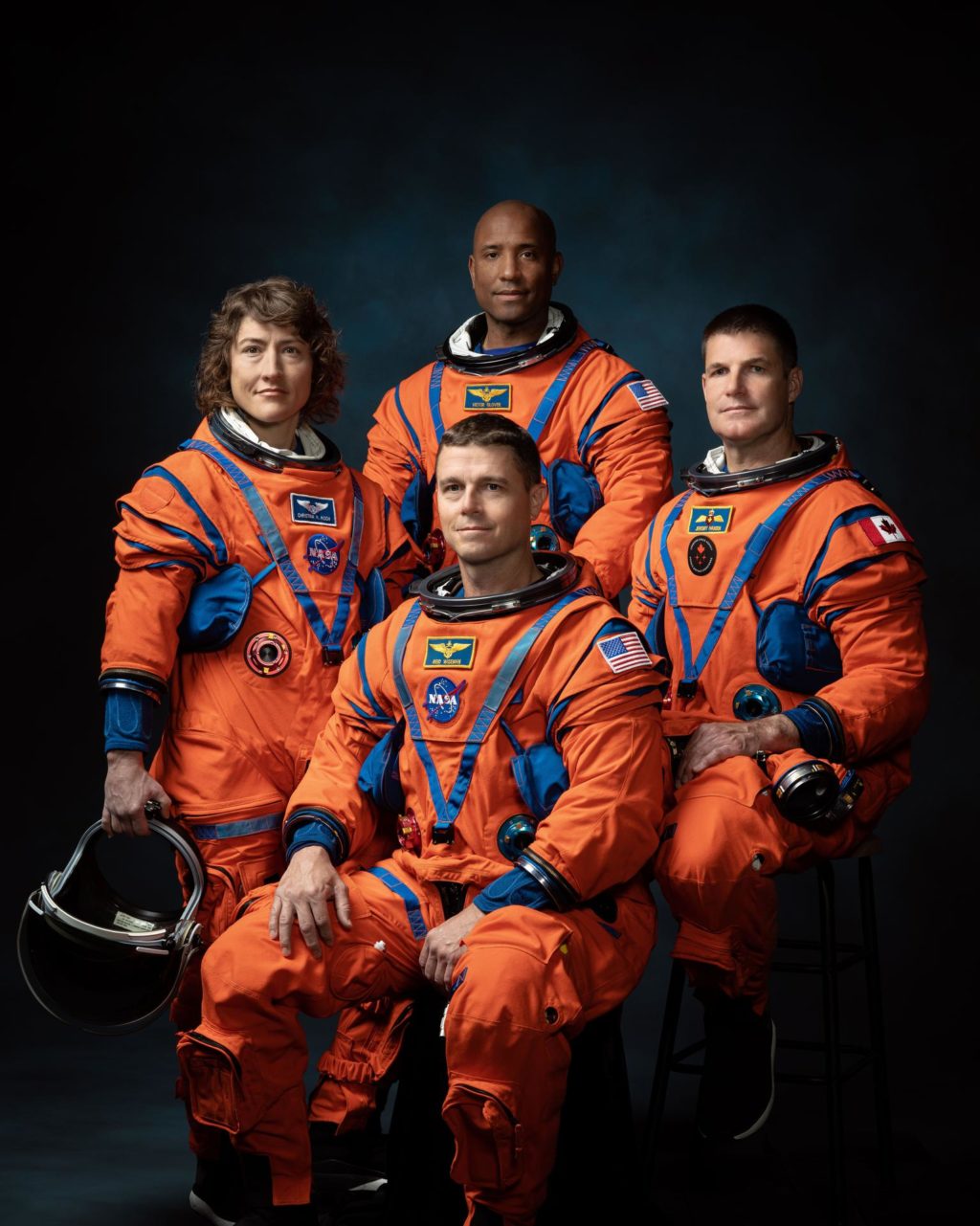
After more than five decades since the last crewed journey beyond low Earth orbit, humanity is preparing for a historic return to deep space with the Artemis II mission. The project represents a major milestone in modern space exploration and marks the beginning of a new chapter in the effort to reestablish a human presence around the Moon.
Led by NASA, Artemis II will be the first crewed mission of the Artemis program, sending astronauts aboard the Orion spacecraft, powered by the Space Launch System (SLS), the most powerful rocket ever developed by the agency. Unlike earlier missions that aimed directly for lunar landings, this mission is designed as a critical test flight, carrying a crew around the Moon without touching its surface.
The journey is expected to last approximately ten days, during which the spacecraft will travel farther from Earth than any human mission in recent history. The crew will orbit the Moon before returning safely, providing valuable data on the performance of life support systems, navigation, propulsion, and communication technologies in deep space conditions.
This mission is widely seen as a necessary step toward more complex operations planned in the coming years. It will validate systems that are essential for future lunar landings and long-duration missions, including those that aim to establish a sustainable human presence on the Moon. Artemis II is not just a mission—it is a rehearsal for the next giant leap.
One of the most significant aspects of Artemis II is its role in redefining international cooperation in space exploration. The mission includes a diverse crew, reflecting a broader, more inclusive approach to human spaceflight. This shift highlights a growing global partnership in advancing scientific discovery beyond Earth.
The Artemis program itself has ambitious long-term goals. Beyond returning astronauts to the lunar surface, it seeks to build infrastructure that will support continuous exploration, including orbital stations and surface habitats. These developments are intended to serve as a foundation for even more distant missions, particularly future crewed expeditions to Mars.
Despite its promise, the mission has faced technical challenges, including adjustments to spacecraft systems and safety protocols. These refinements, however, are part of the rigorous process required to ensure mission success and crew safety. Engineers and scientists continue to work closely to meet the high standards necessary for deep space travel.
Artemis II also carries symbolic weight. It represents a renewed commitment to exploration at a time when space has once again become a focal point of technological competition and scientific ambition. The mission echoes the pioneering spirit of past achievements while embracing modern innovation and global collaboration.
As the countdown progresses, anticipation continues to build. Artemis II is expected to capture the attention of the world, not only as a technological achievement but as a reminder of humanity’s enduring desire to explore the unknown.
With this mission, the United States and its partners are taking a decisive step toward returning humans to the Moon—and eventually reaching beyond it. The journey marks more than a return; it signals the beginning of a sustained presence in deep space, opening new possibilities for science, exploration, and the future of humanity.