From the Recording Studio to the Big Screen: Gracie Abrams Takes on Her First Leading Film Role
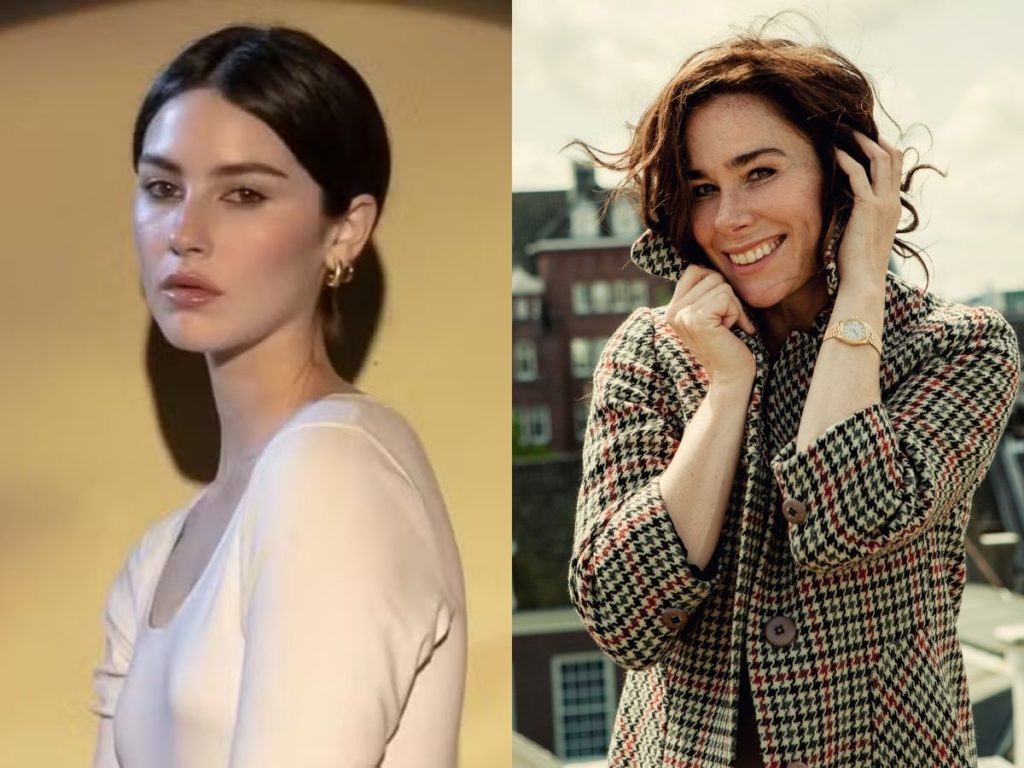
The American singer-songwriter Gracie Abrams, widely recognised as one of the most compelling voices of her generation, is preparing to enter a new artistic chapter. Known for her emotionally intimate lyrics and understated musical style, Abrams is now set to make her cinematic debut as the lead actress in the feature film Babygirl, marking a significant expansion of her creative path.
The move from music to cinema places Abrams among a growing number of contemporary artists who seek to broaden their expressive range beyond a single medium. While her career has so far been built on songwriting that explores vulnerability, identity and emotional complexity, the film project offers a different platform for storytelling — one that relies not on melody and verse, but on presence, performance and silence.
Babygirl centres on a young woman navigating the emotional and psychological challenges of early adulthood. The narrative focuses on themes such as self-discovery, interpersonal relationships and the quiet tensions that shape personal growth. The role demands subtlety and emotional depth, qualities that many observers believe align naturally with Abrams’ artistic persona, even as she steps into unfamiliar territory.
The film is helmed by a director acclaimed for her work in character-driven cinema, particularly stories that place women at the centre of complex emotional landscapes. Her filmmaking approach prioritises realism, nuance and psychological authenticity, elements that are expected to shape both the tone of the film and Abrams’ performance. The collaboration reflects a deliberate choice to introduce the musician to acting through a project that values introspection over spectacle.
For Abrams, the experience represents both a challenge and an evolution. Transitioning into acting requires a different discipline from performing music, despite the shared foundation of emotional communication. The preparation for the role involved intensive acting training and close collaboration with the director, allowing the character to be built gradually through dialogue, gesture and internal conflict rather than musical expression.
The decision to cast a musician in a leading dramatic role inevitably draws attention, but Babygirl positions itself as more than a star vehicle. The production emphasises narrative integrity and artistic coherence, aiming to present a story that resonates with audiences who value authenticity and emotional realism. In this context, Abrams’ involvement is framed not as a novelty, but as a calculated artistic choice.
The growing interest in the project also reflects broader cultural shifts within the entertainment industry. Boundaries between music, cinema and other creative fields have become increasingly fluid, with artists encouraged to explore multiple forms of expression. Abrams’ step into film mirrors this trend, suggesting a future career that may balance songwriting with screen performance.
Public reaction to the announcement has been marked by curiosity and cautious optimism. Fans familiar with Abrams’ musical work have expressed enthusiasm about seeing her translate the emotional honesty of her songs into a visual medium. At the same time, industry observers view the project as a test of her versatility and long-term artistic ambitions.
As Babygirl moves closer to completion, expectations continue to build around its reception and the impact it may have on Abrams’ career trajectory. Whether the film marks the beginning of a sustained acting career or stands as a singular artistic exploration, it undeniably represents a pivotal moment. For Gracie Abrams, the transition from recording studio to film set signals not a departure from her artistic identity, but an expansion of it — one that places storytelling at the centre, regardless of the medium.