Miss Universe Faces Turmoil as Organization’s President Becomes Target of Criminal Investigation
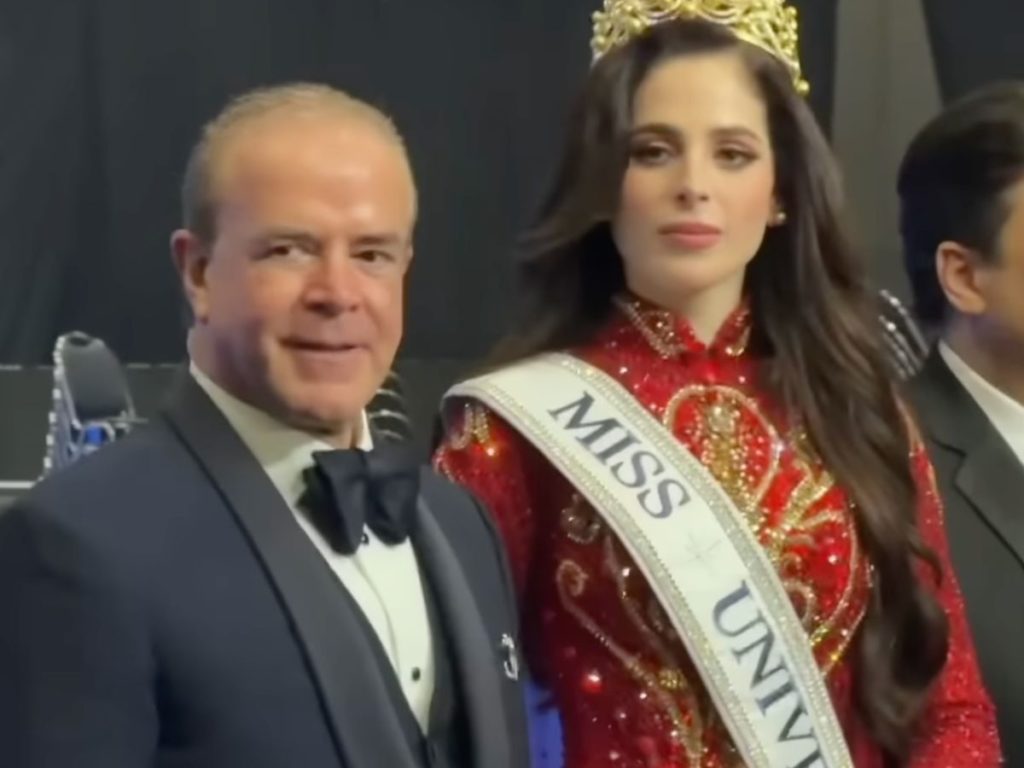
Raúl Rocha Cantú
The Miss Universe Organization is facing one of the most serious crises in its history as its president, Raúl Rocha Cantú, becomes the subject of a sweeping criminal investigation in Mexico. Authorities allege that he is linked to a sophisticated network involved in drug trafficking, illegal fuel trading, contraband of weapons, and other organized criminal activities. The accusations have shaken the global pageant community and raised urgent questions about the future of the world-renowned competition.
Investigators believe Cantú may have played a leadership role in a cross-border criminal operation that used river routes and land transport to move illicit fuel and weapons across strategic regions. The alleged structure included business figures, public officials, and members of law enforcement, forming a network capable of operating discreetly and on a large scale. Dozens of arrest warrants are reportedly tied to the case, highlighting the depth and seriousness of the suspicions surrounding the Miss Universe president.
The investigation comes at a time when the pageant was already facing internal turbulence. Recent competitions were marked by accusations of vote manipulation, disputes among judges, and complaints from contestants about the transparency of the selection process. The victory of the Mexican representative in the most recent edition intensified questions about favoritism, further linking the controversy to the leadership at the top of the organization.
The situation escalated when reports surfaced that Cantú had signed a cooperation agreement with Mexican authorities, a move often used to reduce potential penalties in exchange for information. Despite this, the case remains open, and investigators continue to pursue additional leads. The possibility of new arrests — including individuals connected to the beauty pageant industry — has heightened tension within the Miss Universe ecosystem.
Inside the organization, the air is thick with uncertainty. The Miss Universe brand, long associated with cultural prestige, empowerment, and global unity, now grapples with the challenge of detaching its identity from the allegations surrounding its highest-ranking executive. Public relations specialists note that the damage to the organization’s credibility could be long-lasting, pushing sponsors, partners, and participating countries to reconsider their involvement.
The repercussions are already being felt. Modeling agencies, national pageant directors, former contestants, and industry analysts have expressed concern about the leadership vacuum and the future legitimacy of the competition. Some voices within the pageant community argue that Cantú should step down immediately to prevent further erosion of public trust and to safeguard the reputation of a franchise that has existed for decades.
Beyond the individual accusations, the scandal exposes structural vulnerabilities within the world of global pageantry — an industry often criticized for opaque decision-making and internal power struggles. It also raises broader questions about how major international events are managed, who finances them, and what oversight exists to prevent abuses of power.
As the investigation progresses, the Miss Universe Organization faces a defining moment. Whether through internal restructuring, leadership changes, or a complete overhaul of its governance model, the path forward will determine whether the pageant can restore confidence and preserve its place as one of the most celebrated cultural events in the world.
For now, all eyes remain on the unfolding case — and on how a crown once symbolizing beauty and ambition became entangled in accusations of criminal enterprise.