
Alliance on the Edge: When Diplomatic Insults Replace Dialogue
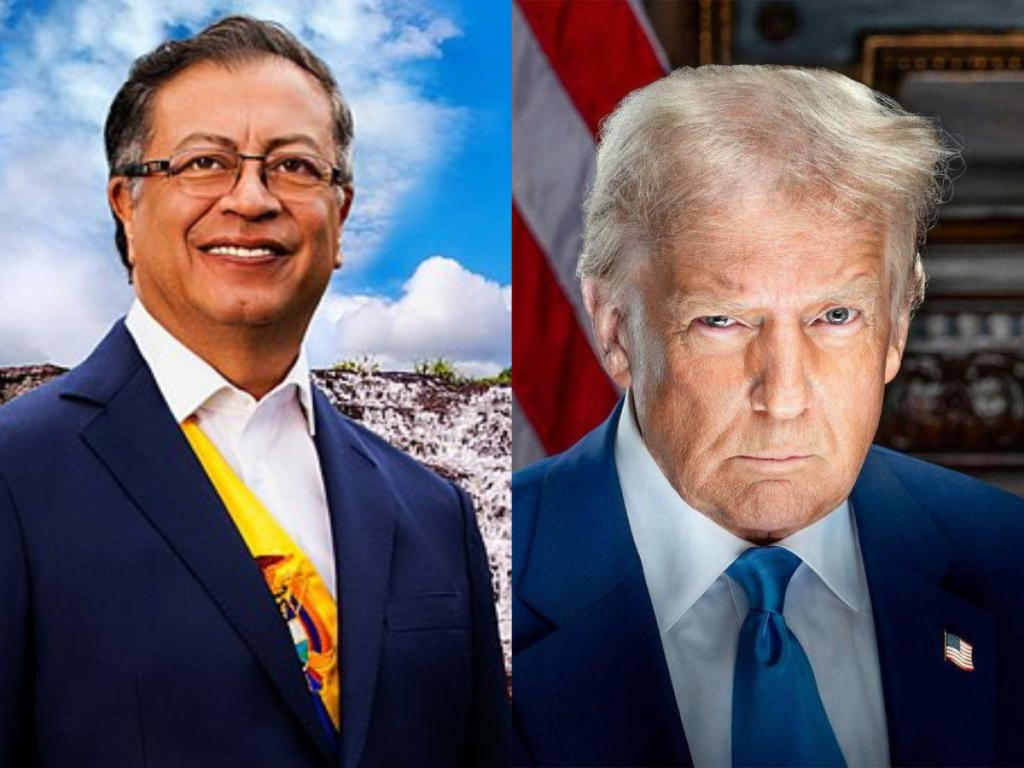
The recent escalation of tensions between the governments of the United States and Colombia marks a critical rupture that could reshape the landscape of hemispheric cooperation. The Colombian president has recalled his ambassador from Washington following a series of harsh public exchanges with the U.S. president, who accused his counterpart of complicity in drug trafficking and announced the suspension of financial aid to the South American nation.
At the heart of the dispute lies a volley of mutual insults and accusations. The American leader branded the Colombian president a “drug dealer” and warned of possible economic sanctions—or even intervention—if the country failed to curb narcotics production more effectively. The Colombian president responded with equal force, calling the remarks “crude” and “ignorant,” while asserting that his nation is sovereign and will not bow to external coercion.
The decision to recall the ambassador is a symbolic gesture, signaling deep cracks in a relationship that for decades has been anchored in economic, military, and security cooperation. Colombia, long considered Washington’s closest ally in Latin America’s fight against drug trafficking, now faces the challenge of defending its autonomy while remaining dependent on U.S. funding for development and security programs.
The context is far from simple. On one side, the United States argues that Bogotá has not done enough to eradicate illicit crops or dismantle the networks that link traffickers to remote regions of the country. On the other, the Colombian government claims that Washington’s hardline approach—including threats of tariffs and expanded naval patrols—violates national sovereignty and worsens humanitarian conditions for vulnerable rural and coastal communities. The clash exposes the complexity of balancing international security interests with respect for national dignity and human rights.
The potential consequences are significant. Colombia’s export economy is deeply tied to U.S. markets, and any prolonged diplomatic freeze could weaken its currency, deter foreign investment, and trigger domestic political instability. Yet, for many Colombians, the president’s defiant stance is seen as a moment of national affirmation—a refusal to remain submissive to external power—that may boost his popularity among voters who value independence and dignity.
Still, the risks are undeniable. Watching decades of diplomatic and military cooperation slowly unravel would not only disrupt bilateral relations but could also destabilize regional alliances built around shared security goals. The pressing question now is what comes next: harsher retaliatory measures such as trade restrictions and sanctions, or a reluctant return to dialogue mediated through diplomatic backchannels?
Amid the verbal crossfire, one truth stands out—the once-stable partnership between Washington and Bogotá is entering a new phase: more volatile, less predictable, and potentially transformative. Whether this chapter leads to confrontation or renewed negotiation will define not only the future of the two nations but also the tone of U.S.–Latin American relations in the years to come.