World Cup Champion Faces Serious Allegations in France Over Illegal Labor and Human Trafficking
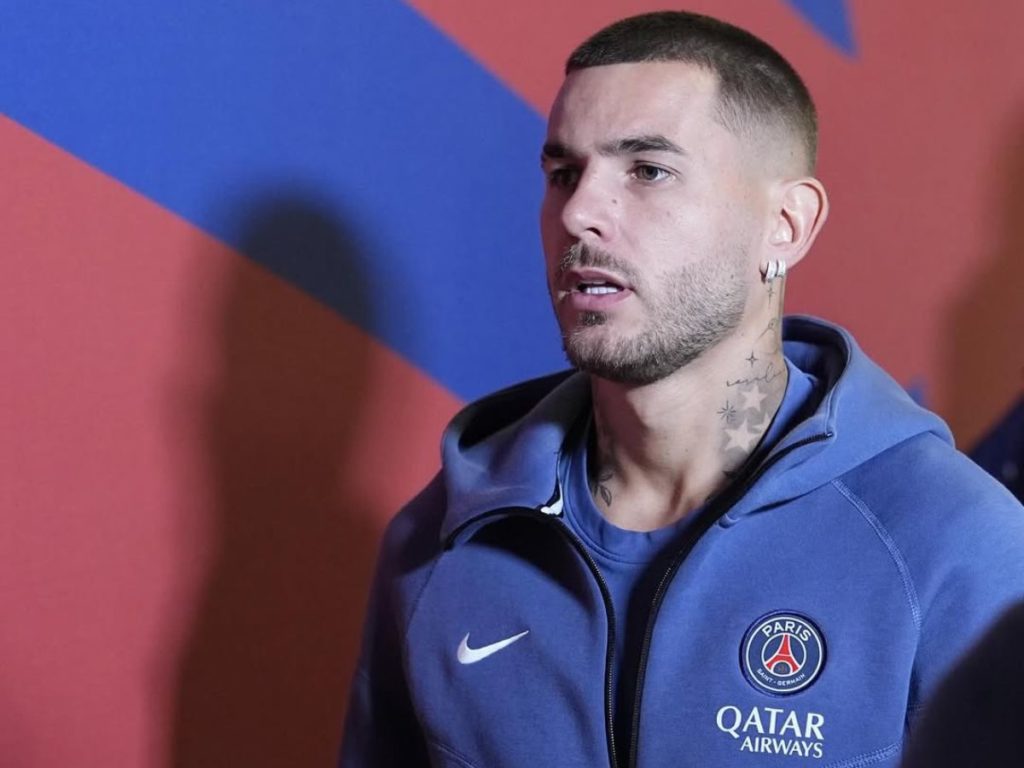
Lucas Hernández
A prominent figure of international football, celebrated for his achievements on the pitch, is now at the center of a serious legal controversy in France. Lucas Hernández, a World Cup–winning defender and player for Paris Saint-Germain, has been accused, alongside his wife, of involvement in illegal employment practices and human trafficking related to a foreign family hired to work in their household.
According to the complaint filed with French judicial authorities, a family originating from South America claims they were brought to France under promises of legal employment and assistance with immigration regularization. Once in the country, however, the family alleges they were subjected to irregular working conditions, long hours, and a lack of formal labor contracts, social protections, or legal status.
The accusation describes a scenario in which the adults of the family were required to perform multiple functions within the athlete’s private residence. These tasks reportedly ranged from domestic services and childcare to gardening, maintenance, and personal security. The workload, as described in the complaint, far exceeded standard labor limits, with workdays extending well beyond what is permitted under French labor law.
Central to the case is the claim that payments were made in cash, without official documentation or tax registration, effectively placing the workers outside any form of legal protection. The family further alleges that their vulnerable immigration status was used as leverage, creating a relationship of dependency that prevented them from leaving or reporting the situation earlier.
The complaint also raises concerns over alleged attempts to retroactively legitimize the working arrangement. According to the allegations, documents were prepared after the employment relationship had already ended, describing work schedules and conditions that differ significantly from those reported by the workers. The family further claims they were asked to sign confidentiality agreements despite the absence of valid employment contracts.
The case has attracted widespread attention not only because of the gravity of the accusations, but also due to the public profile of the individual involved. Hernández is widely recognized for his role in France’s World Cup triumph and for his career at elite European clubs. The allegations stand in sharp contrast to the image of sporting success and discipline typically associated with athletes at this level.
Through legal representatives, Hernández and his wife have denied any wrongdoing. Their defense maintains that there was no intention to exploit or deceive, arguing that they believed they were acting within the law and offering assistance to individuals who had expressed a desire to improve their living conditions abroad. The couple disputes the characterization of the relationship as exploitative and rejects the accusation of human trafficking.
French authorities are now tasked with determining whether the facts constitute administrative violations, labor offenses, or criminal acts under national legislation. In France, employing foreign workers without proper authorization and subjecting them to degrading or excessively demanding conditions can carry severe legal consequences, particularly if elements of coercion or abuse of vulnerability are established.
Beyond the courtroom, the case has sparked broader debate about the responsibility of high-profile figures in private employment arrangements. It highlights ongoing challenges faced by migrant workers across Europe and raises questions about how power imbalances can persist even in domestic settings.
As the investigation unfolds, the outcome may have significant legal, professional, and reputational implications for all parties involved, while also serving as a reminder that fame and success do not exempt anyone from accountability under the law.