Trump’s Circulatory Condition Sparks Questions About His Health in Presidential Race
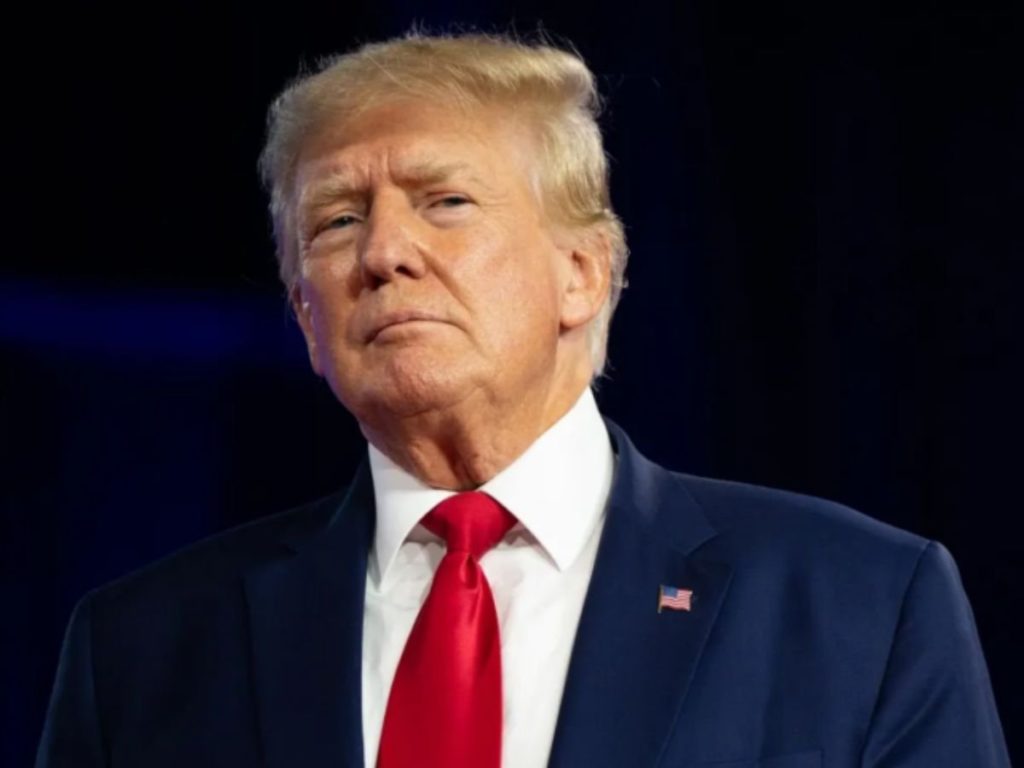
Donald Trump
Former U.S. President Donald Trump, once again in the spotlight as a central figure in the upcoming presidential race, now faces a challenge that goes beyond politics: his health. The recent disclosure that he has been diagnosed with chronic venous insufficiency has reignited discussions about the physical capacity of aging leaders vying for the nation’s highest office.
Chronic venous insufficiency is a condition in which the veins in the legs struggle to send blood back to the heart, often leading to swelling, pain, cramps, and, in more advanced stages, varicose veins or even blood clots. Although manageable with medication, compression therapy, and lifestyle adjustments, the condition requires regular medical monitoring—especially for public figures with demanding schedules and high-stress routines.
Trump, known for his combative persona and relentless public appearances, has long tried to project an image of unwavering stamina and vigor. Yet this diagnosis, while not life-threatening, introduces practical limitations. Extended travel, standing for prolonged periods, or enduring the rigors of campaign events could become increasingly taxing. These factors are far from trivial for a candidate embarking on a grueling election season.
The issue goes beyond medical facts—it touches the symbolic core of Trump’s political brand: strength. Any perceived physical vulnerability can influence voter perception, particularly in a race already overshadowed by age-related scrutiny. Trump, now in his late seventies, will likely face off against President Joe Biden, who is even older. This sets the stage for an election where physical and cognitive endurance may play a larger role in the public’s judgment.
While no immediate complications have been reported, the diagnosis has stirred quiet concern in political circles. Trump’s team has offered minimal commentary, seeking to downplay the relevance of the condition. Still, the mere acknowledgment of a chronic health issue puts new pressure on a campaign that thrives on optics and confidence.
This development also revives the broader debate over how much health information presidential candidates should disclose. Where is the line between privacy and the public’s right to know? In the U.S.—a country that prizes transparency in leadership—the health of its leaders inevitably becomes a matter of national interest.
As Trump moves forward with his campaign, his ability to manage both the political battlefield and the demands of his health will be closely watched. In an era where perception often overshadows policy, his circulatory condition may become a quiet but powerful subplot in a race already filled with drama.