Texas: Tradition, Growth and Diversity Make the Lone Star State an American Powerhouse
The second-largest U.S. state by both area and population combines economic strength, a distinctive cultural identity and major cities that continue to expand their influence
Few places represent the scale and diversity of the United States quite like Texas. Located in the southern part of the country and sharing a long international border with Mexico, the state has developed a distinctive identity shaped by different cultures, rural traditions and an economy that now extends far beyond oil and cattle ranching.
Its sheer size helps explain its importance. Texas is the second-largest U.S. state by area, behind only Alaska, and also ranks second in population, after California. Its vast territory means that different parts of the state have their own economic, cultural and geographical characteristics.
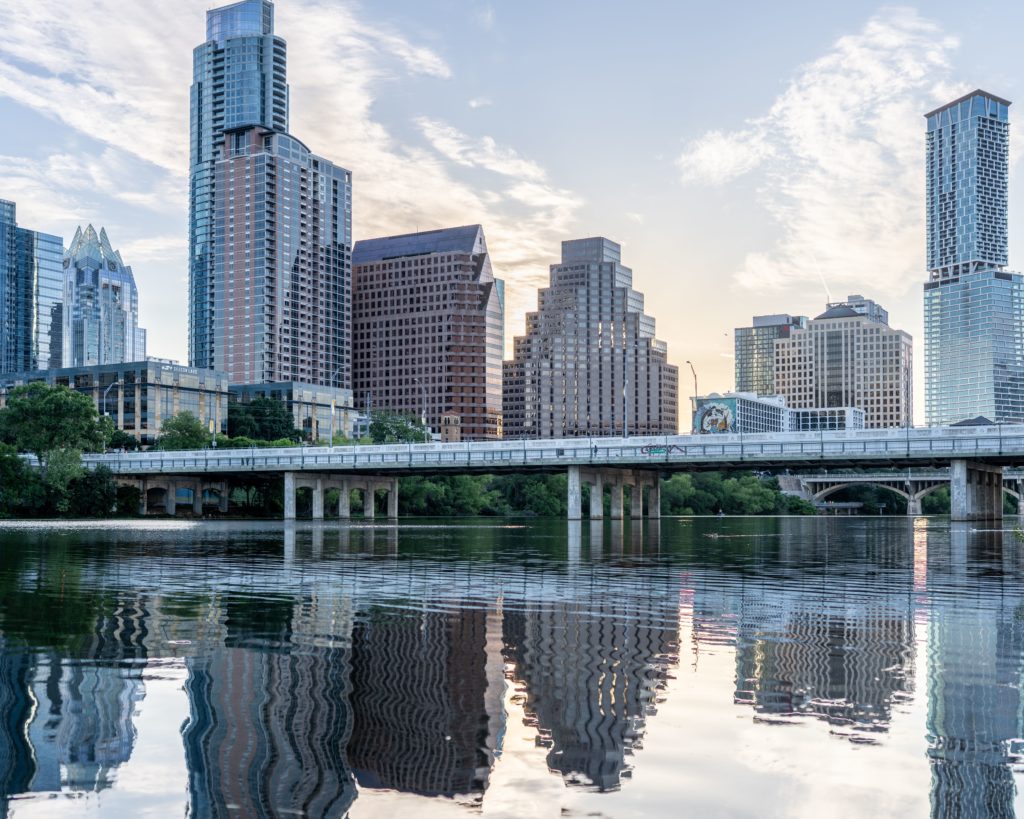
Austin, the state capital, has become widely recognized for its technology sector, innovation, music and entertainment. The city has attracted companies, highly skilled professionals, students and entrepreneurs, helping reshape the traditional image often associated with Texas.
Houston, meanwhile, is one of the largest cities in the United States and has strong ties to the energy, healthcare, industrial and aerospace sectors. The presence of NASA’s Johnson Space Center has made the Houston area internationally associated with space exploration.
Dallas and Fort Worth form another major economic and urban center. The region is home to large corporations and significant activity in finance, technology, transportation, logistics, retail and professional services. San Antonio combines urban growth with a strong commitment to preserving its historical and cultural heritage.
Despite rapid modernization, many of the images traditionally associated with Texas remain part of its identity. Ranches, rodeos, country music, cowboy boots, hats and barbecue continue to play an important role in the state’s cultural image.
Food is another defining element. Texas barbecue has earned an international reputation, while Mexican and Tex-Mex influences can be found throughout the state’s culinary landscape.
Texas’ cultural and historical relationship with Mexico is essential to understanding the state today. Hispanic communities have had a profound influence on its food, music, traditions, businesses and social development.
A Diverse and Powerful Economy
For decades, Texas was internationally known primarily for its oil and natural gas industries. Energy remains a crucial part of the state’s economy, but Texas has undergone significant diversification.
Technology, manufacturing, healthcare, financial services, logistics, agriculture, entertainment and aerospace now operate alongside the state’s traditional industries. Major metropolitan areas continue to attract investment, businesses and new residents.
Texas also occupies a strategic position in trade between the United States and Mexico. Its extensive border and transportation infrastructure make the state an important corridor for the movement of goods between the two countries.
From modern skyscrapers and technology centers to enormous ranches and multicultural communities, Texas combines historic traditions with some of the most significant economic and demographic transformations taking place in the United States.
Texas today is much more than the stereotypical land of cowboys. It is a state of contrasts: traditional and technological, rural and urban, distinctly American while also deeply influenced by Mexican culture.
That combination helps explain why the Lone Star State continues to hold such a distinctive place in the history, economy and identity of the United States.