Territorial Demands and Diplomatic Deadlock Shape Talks on the War in Ukraine
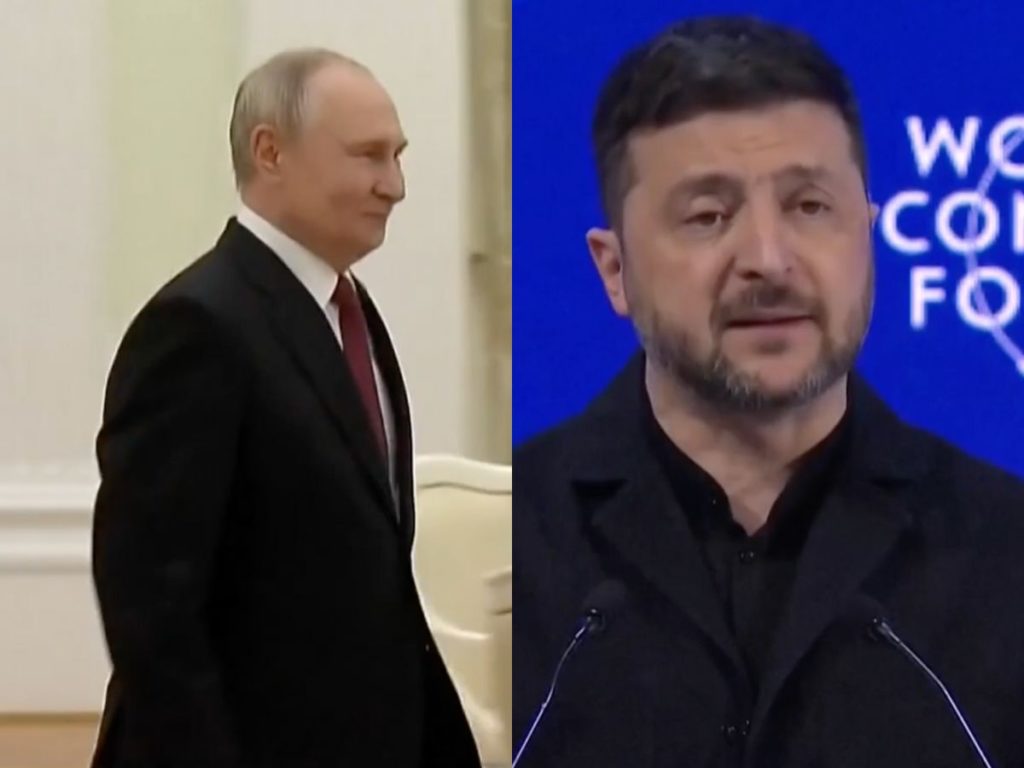
Efforts to advance a negotiated end to the war in Ukraine faced renewed tension after a high-level trilateral meeting brought together representatives from Russia, Ukraine and the United States. The talks, seen as one of the most significant diplomatic initiatives since the conflict began, exposed the depth of disagreement between the sides, with territorial control emerging once again as the central and most contentious issue.
During the discussions, Russia reaffirmed a firm position: any meaningful progress toward ending the war would require the withdrawal of Ukrainian forces from the Donbas region. Moscow presented this demand as a non-negotiable condition, arguing that the area holds strategic, historical and security importance. Russian officials framed the proposal as a pathway to stability, insisting that without a resolution on territorial boundaries, a lasting peace would remain unattainable.
Ukraine’s response was unequivocal. Representatives from Kyiv rejected the idea of pulling back from Donbas, describing it as a direct threat to national sovereignty. For Ukrainian authorities, accepting such a condition would amount to legitimizing territorial loss achieved through military force. The Ukrainian position emphasized that any peace agreement must preserve the country’s internationally recognized borders and avoid precedents that could undermine statehood or long-term security.
The United States, acting as a key diplomatic intermediary, sought to keep the dialogue alive despite the hardened stances. American officials focused on confidence-building measures and potential frameworks for de-escalation, including temporary ceasefire mechanisms and international monitoring arrangements. While these proposals were discussed, they failed to overcome the fundamental disagreement surrounding control of eastern Ukrainian territories.
The timing of the talks underscored their fragility. Even as diplomats convened, military operations continued on the ground, reinforcing the contrast between diplomatic efforts and the realities of an ongoing war. Continued strikes and troop movements served as a reminder that negotiations are unfolding under intense pressure, both politically and militarily, limiting room for compromise.
Observers note that Russia’s insistence on Donbas reflects a broader strategic calculation. Beyond its industrial and economic value, the region represents leverage in negotiations and a symbol of Moscow’s broader ambitions in the region. By making territorial withdrawal a prerequisite, Russia effectively raises the cost of any agreement for Ukraine, shifting the burden of concession onto Kyiv.
From the Ukrainian perspective, however, territorial compromise is viewed as politically and socially untenable. Public opinion within the country remains strongly opposed to any agreement that formalizes territorial loss, particularly after years of conflict and sacrifice. Ukrainian leaders are acutely aware that concessions could weaken domestic legitimacy and expose the country to future security risks.
The trilateral meeting did not result in a breakthrough, but participants described it as a step toward maintaining open channels of communication. There was consensus on the need for continued dialogue, even as core disagreements remain unresolved. Plans for further discussions were signaled, though no clear roadmap emerged for bridging the gap between the competing demands.
The stalemate highlights the complexity of achieving a diplomatic resolution to the war. Territorial issues, questions of sovereignty and competing security narratives continue to dominate the agenda, leaving little space for quick solutions. As the conflict persists, the Donbas region remains at the heart of the dispute, symbolizing both the obstacles to peace and the challenges facing any future settlement.