From Quiet Scholar to Prime Suspect: The Man at the Center of a Shocking Washington Attack
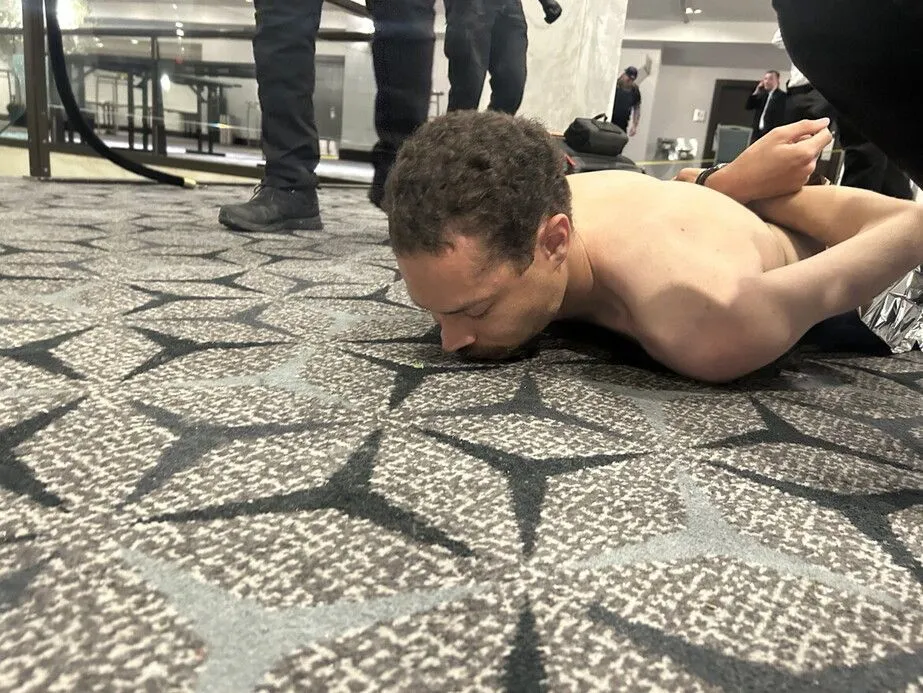
Cole Tomas Allen
A dramatic act of violence in the heart of Washington has thrust an unfamiliar name into the global spotlight: Cole Tomas Allen, the man identified by U.S. authorities as the primary suspect in a shooting that disrupted a high-profile dinner attended by President Donald Trump and senior members of his administration.
At 31 years old, Allen’s background has surprised many. Far from fitting the public image of a politically motivated attacker, he was known in academic and technology circles as a highly educated individual with a strong intellectual profile. He studied mechanical engineering at a prestigious American university before later expanding his work into computer science. He also reportedly worked as a private tutor and pursued independent projects in gaming and software development.
Those who knew Allen described him as quiet, thoughtful, and deeply immersed in education and technology. Friends and former colleagues reportedly viewed him as disciplined and introspective — a man whose life appeared centered on academic interests, technical innovation, and private pursuits.
That perception changed instantly after the attack.
According to preliminary reports, Allen had been staying as a guest at the hotel where the formal political dinner was taking place. Investigators are now examining how he was able to gain access to areas so close to some of the most heavily protected political figures in the United States. At a critical moment during the evening, he allegedly moved toward a secured checkpoint, triggering an immediate response from federal agents and security personnel.
Gunfire erupted, sending guests into panic and forcing emergency evacuation procedures. One security agent was reportedly struck but survived because of protective body armor. President Donald Trump and senior administration officials were quickly removed from the area under heightened security measures, preventing what could have become an even more devastating national crisis.
Federal authorities are now focused on uncovering the motive behind the attack. Investigators are reviewing Allen’s digital devices, communications, writings, and personal history in an effort to understand what led to the violent incident. Early indications suggest he may have acted alone, though officials continue to examine every possible factor, including ideological extremism, personal grievances, and broader psychological influences.
The case has sparked intense debate across the United States over political polarization, domestic security, and the growing threat posed by lone-actor attacks. It has also renewed scrutiny over security procedures at high-level political events, where even brief vulnerabilities can carry enormous consequences.
At the center of the unfolding story is a striking contradiction: a man once associated with academic achievement and technological ambition is now linked to one of the most alarming security breaches involving America’s political leadership in recent years. As the investigation advances, the incident is likely to leave a lasting impact on both national security policy and the broader political climate in Washington.