A Password Named “Louvre”: The Security Scandal Inside the World’s Most Famous Museum
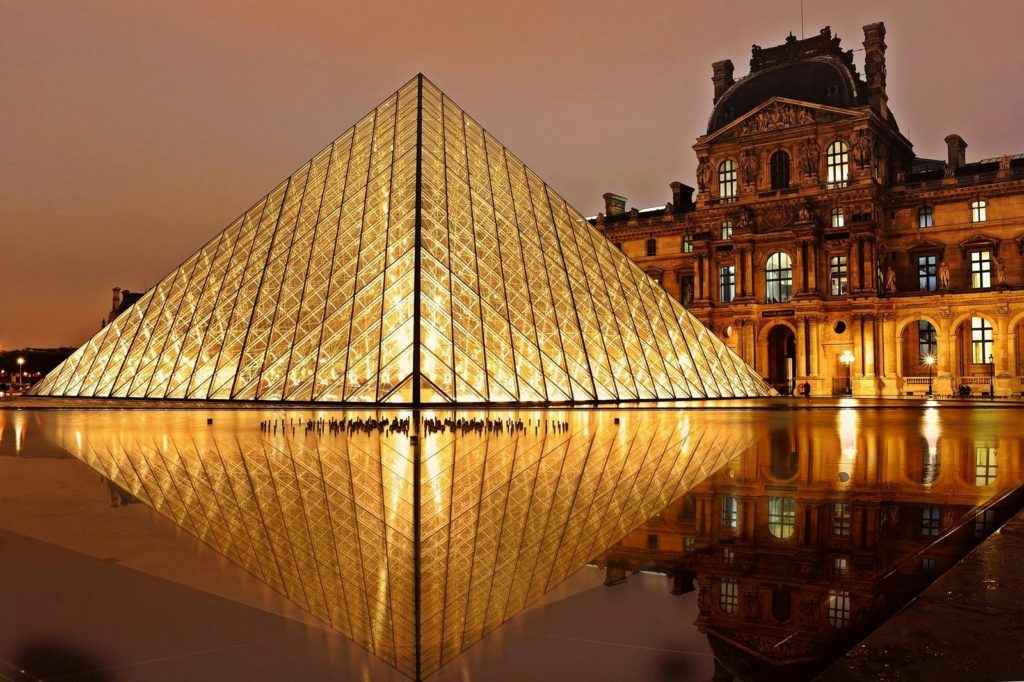
An internal audit has revealed a shocking vulnerability at the Louvre Museum — one that seems almost too absurd to be true. The password protecting the museum’s surveillance system was simply “Louvre.” Behind the sophistication of priceless art and centuries of history, the world’s most iconic museum was hiding a security flaw so basic it has become a global embarrassment.
The audit found that multiple security systems used weak or predictable credentials. The surveillance control panel, for instance, relied on the museum’s own name, while another system linked to entry control reportedly used the supplier’s brand as its password. Such oversights suggest a culture of negligence in the digital infrastructure of one of humanity’s most visited and valuable institutions.
Even more alarming, the main server hosting the video surveillance system was running on outdated software — a version of Windows Server that has long been discontinued and unsupported. In cybersecurity terms, that means no security patches, no defense against new threats, and no real barrier to intrusion. For hackers or insiders with malicious intent, the system was practically an open door.
Experts in digital and physical security emphasize that the problem goes beyond weak passwords or obsolete software. It reveals a structural complacency — the mistaken belief that physical guards and traditional monitoring are enough to protect masterpieces like the Mona Lisa. In reality, modern museums are increasingly dependent on interconnected systems, where a single compromised password can endanger entire networks, databases, and even the safety of priceless artworks.
In internal communications, the museum’s leadership reportedly admitted that while internal alarms and response teams functioned correctly, the external camera system had long been inadequate. Some areas of the building were left partially uncovered or dependent on outdated analog devices. The incident has now prompted a broader review of museum security protocols across France, as the episode raised questions about how many other cultural institutions might be operating with similar digital blind spots.
What makes this case particularly symbolic is its irony: the very institution that guards humanity’s artistic genius failed to protect itself from the most elementary cyber mistake. The Louvre’s grandeur and global prestige could not shield it from a flaw that any first-year IT student would recognize.
This scandal serves as a cautionary tale for cultural institutions worldwide. In an era when cyberattacks and data breaches are increasingly common, security must be treated with the same rigor as art preservation. Passwords like “Louvre” might seem convenient, but they symbolize a dangerous mindset — one that underestimates digital threats in a world where technology now safeguards culture itself.
The Louvre remains a beacon of art and history, but this revelation is a stark reminder: no legacy, however grand, is immune to the consequences of neglect.