Alberta Rejects Separatist Push in Strong Show of Support for Canada
Canada
Preliminary results point to a decisive rejection of a proposal that could have opened the way to a future independence referendum
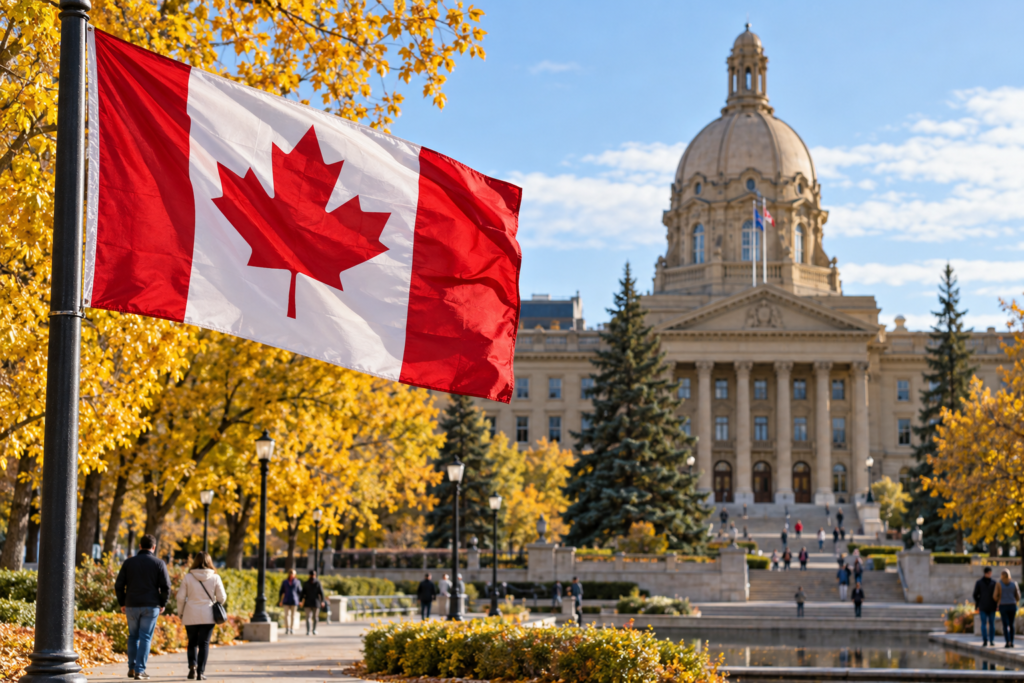
Alberta voters have rejected a proposal to begin a process that could eventually lead to the province’s separation from Canada, delivering a significant political boost to Prime Minister Mark Carney amid tensions with the United States.
The vote, held on Monday, October 19, produced a clear majority in favour of remaining within the Canadian federation. Early unofficial results, with more than one million ballots counted, showed approximately 77% supporting continued membership in Canada and 23% backing steps towards a future separation vote.
As counting progressed, updated figures continued to show roughly three-quarters of voters favouring the province’s place in Canada. The percentages remained provisional, but the margin indicated a decisive setback for independence advocates.
A Vote on the Next Step, Not Independence Itself
The ballot did not ask voters to approve Alberta’s immediate independence. Instead, it offered a choice between remaining a Canadian province and beginning the legal process required to hold a future binding provincial referendum on separation.
The consultation itself was non-binding. Even a victory for the separatist option would not automatically have created an independent country or resolved the constitutional questions involved in leaving Canada.
The outcome therefore carries an important distinction: voters rejected advancing towards another referendum, rather than deciding the terms of a negotiated departure.
It also suggests that dissatisfaction with federal policies does not necessarily translate into support for independence.
Energy and Provincial Autonomy Shape the Debate
Alberta’s oil and gas industry gives the province a major role in Canada’s economy. Disagreements with Ottawa over energy development, environmental policy and provincial authority have long fuelled political tensions.
Separatist campaigners have sought to turn those grievances into support for a different constitutional future. However, the preliminary result indicates that most participating voters prefer to address their concerns within the federation.
Premier Danielle Smith called the consultation amid pressure from independence supporters, including factions within her United Conservative Party, while maintaining her own support for remaining in Canada.
The campaign brought those internal divisions into sharper focus and gave greater visibility to a movement that remains a minority force.
National Unity Under External Pressure
The result comes as Canada faces a trade dispute with the United States and annexation threats from President Donald Trump.
For Carney, who has argued for national cohesion in response to external pressure, Alberta’s decision strengthens the political case for cooperation between the federal government and the provinces.
It does not, however, remove the economic and political disagreements that helped drive the campaign. Separatist representatives have signalled that they intend to continue their efforts despite the defeat.
The federal government’s challenge is now to respond to Alberta’s concerns without treating support for Canada as unconditional approval of Ottawa’s policies. The vote offers a clear mandate against advancing separation, while leaving the wider debate over provincial autonomy unresolved.