
New Threat Against Trump Heightens Tensions Between the United States, Israel, and Iran
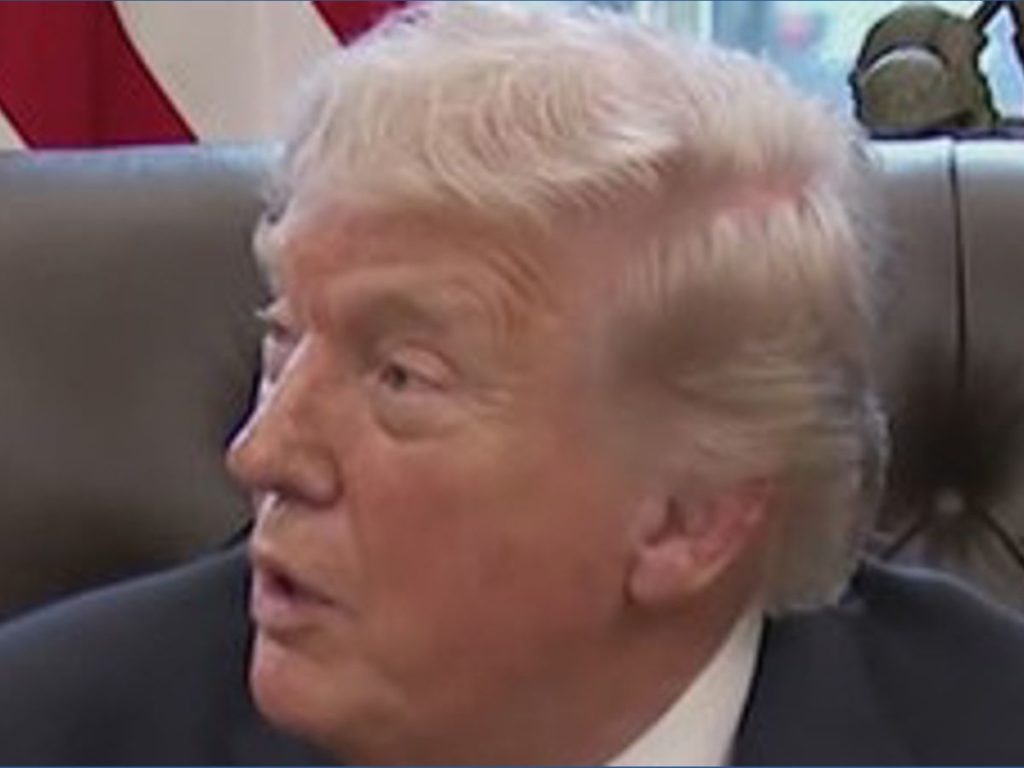
A new intelligence alert involving an alleged plot to assassinate U.S. President Donald Trump has heightened diplomatic tensions between Washington, Tel Aviv, and Tehran. According to information released this week, Israeli authorities informed the U.S. government that they had identified indications of a new assassination attempt allegedly linked to Iran, further intensifying concerns over instability in the Middle East.
The intelligence was reportedly shared by Israeli security services with officials in the United States. Although details of the alleged operation have not been made public, American authorities have treated the warning seriously, strengthening security measures surrounding Trump while assessing the credibility of the information received.
The development comes at a sensitive moment in U.S.-Iran relations. Since the death of Iranian General Qassem Soleimani in a U.S. military strike ordered by Trump in 2020, Iranian leaders and members of the Islamic Revolutionary Guard Corps have repeatedly vowed retaliation against the former U.S. president, whom Tehran considers primarily responsible for the killing of the senior military commander.
Despite recurring threats over the past several years, this latest intelligence is being described as a new warning delivered by Israel to the United States amid rising regional tensions. So far, no public evidence has been released to substantiate the alleged plot, and Iranian authorities have not officially commented on the latest claims. In previous cases involving similar accusations, Tehran has consistently denied any involvement.
The case has attracted additional attention because it unfolds amid strategic differences between Washington and Tel Aviv. Although the two countries remain close allies, recent weeks have revealed disagreements over how to address Iran and other sources of instability in the region. While some Israeli officials advocate a tougher stance toward Tehran, members of the U.S. administration have expressed concerns that further military escalation could undermine diplomatic efforts and create broader economic consequences.
In recent public remarks, Trump acknowledged that he continues to face threats from the Iranian regime but declined to discuss the intelligence shared by Israel. The White House has also adopted a cautious approach, refraining from officially confirming the content of the reported intelligence warning.
Political and security analysts believe the episode highlights the high level of tension among the key players in the Middle East. Beyond military and diplomatic disputes, the continued exchange of intelligence underscores the persistent risks facing political leaders in a region shaped by proxy conflicts, security threats, and geopolitical rivalry.
As investigations continue, U.S. authorities are closely monitoring the situation and evaluating the reliability of the intelligence provided by Israel. The incident serves as another reminder that, despite periodic diplomatic efforts and temporary reductions in hostilities, the longstanding rivalry among the United States, Israel, and Iran continues to produce consequences that extend far beyond the Middle East, keeping the international community on high alert.