Billion-Dollar War Burden Pressures Washington and Reignites Debate Over Conflict Costs
The war involving the United States and Iran has already imposed a significant financial burden on American coffers, with consequences now extending far beyond the battlefield. The disclosure that the conflict has consumed approximately $25 billion in just a few months has intensified debate in Washington, raising fresh concerns about the long-term sustainability of the operation and highlighting the broader economic, strategic, and political consequences of a high-intensity war in the Middle East.
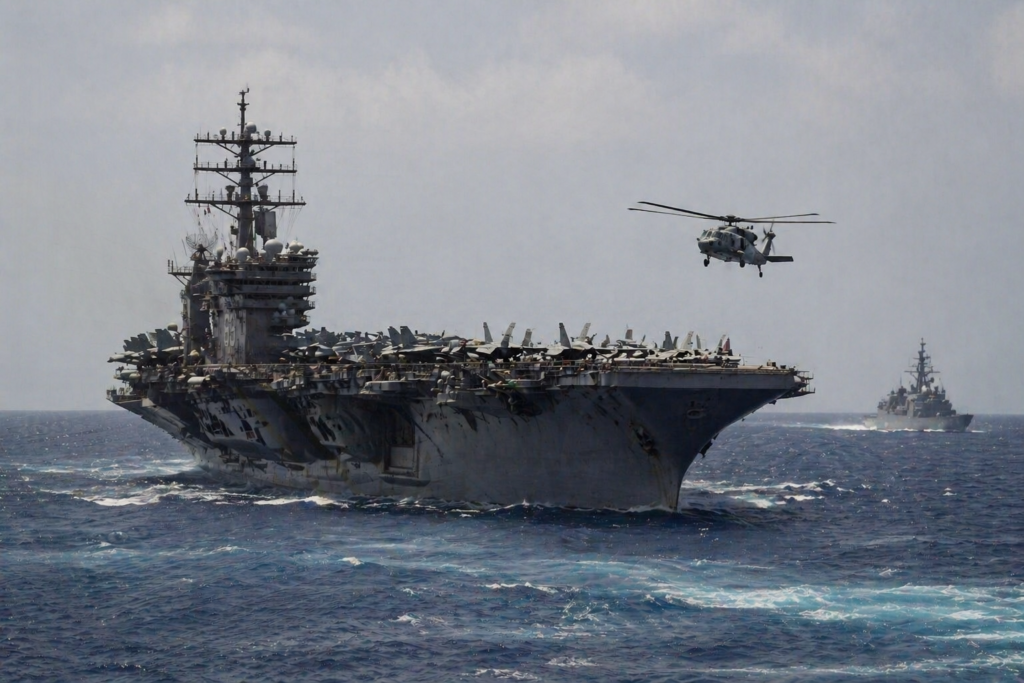
A substantial portion of that amount has been allocated to precision-guided weapons, advanced defense systems, military logistics, and the maintenance of a broad operational presence throughout the region. The U.S. military commitment has required the deployment of aircraft carriers, air squadrons, support bases, and expanded intelligence operations, rapidly pushing the cost of the campaign to levels comparable to major annual federal investments in key domestic sectors.
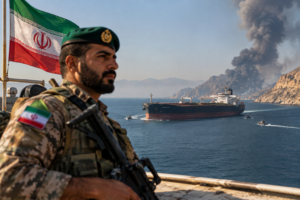
The economic impact is also beginning to ripple beyond the defense budget. Instability in the Middle East—one of the world’s most critical energy-producing regions—has placed renewed pressure on global oil and natural gas markets. This has triggered fluctuations in fuel prices, increased transportation costs, and, in turn, affected supply chains across multiple industries. During prolonged geopolitical tensions, inflationary pressures often intensify, creating greater economic uncertainty both inside the United States and around the world.
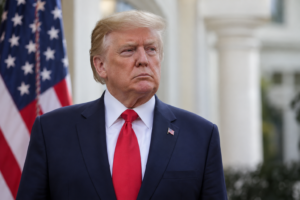
Politically, the staggering cost of the war has strengthened criticism from those calling for stricter oversight of long-term military operations. Lawmakers and analysts are increasingly questioning whether the strategic outcomes achieved so far justify the enormous financial commitment. The debate has become even sharper because prolonged conflicts often require additional rounds of funding, further straining public finances while increasing pressure on domestic priorities such as infrastructure, healthcare, and social programs.
Geopolitical experts note that modern wars are no longer measured solely by territorial advances or battlefield victories. Today, a nation’s ability to financially sustain military engagement has become just as critical as its combat capabilities. When costs escalate rapidly, pressure mounts for diplomatic solutions, strategic reassessments, and renewed efforts to contain the conflict before it expands further.
At the same time, the continued presence of American forces in the region keeps the international community on edge. Any escalation could dramatically increase the financial and political price of the war, with wide-reaching consequences for global markets, military alliances, and international stability.
More than just an eye-catching figure, the $25 billion already spent stands as a powerful reminder that modern conflicts create deep and lasting consequences. In Washington, a growing realization is taking hold: military victory may be only one part of the equation—the greater challenge may lie in bearing the economic and political cost of sustaining war over time.