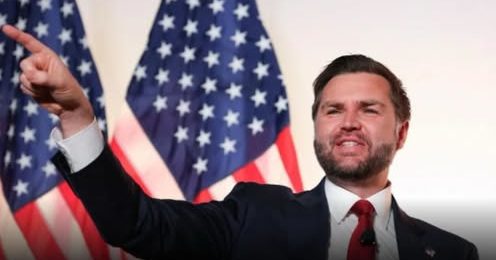
Diplomatic efforts between the United States and Iran have encountered a setback after the planned trip of Vice President JD Vance to Pakistan was suspended amid ongoing tensions.
The visit was intended to advance negotiations between the two nations, with a new round of talks scheduled to take place in Islamabad. However, the trip was postponed after Iran failed to respond to proposals presented by the U.S., halting progress in the diplomatic process.
Instead of traveling, Vance remained in Washington, where he participated in high-level meetings at the White House. The discussions included key figures involved in the negotiations, such as Steve Witkoff and Jared Kushner.
Despite the delay, U.S. officials emphasized that the trip has not been canceled and may be rescheduled depending on developments in the negotiations. Any decision to move forward will likely require approval from President Donald Trump, as well as clear signals of progress from the Iranian side.
The impasse comes at a sensitive moment, as a ceasefire between the parties nears its end. The lack of response from Iran has increased uncertainty surrounding the future of the talks and raised concerns about the stability of the region.
Analysts suggest that the postponement highlights the fragile nature of the negotiations and the need for stronger political alignment before face-to-face discussions can resume. At the same time, the fact that the trip remains on hold rather than canceled indicates that diplomatic channels are still open, albeit under strain.
With tensions unresolved, the next steps taken by both governments will be crucial in determining whether negotiations can regain momentum or if the situation risks further escalation.