
Visa Freeze Signals New Direction in U.S. Immigration Policy
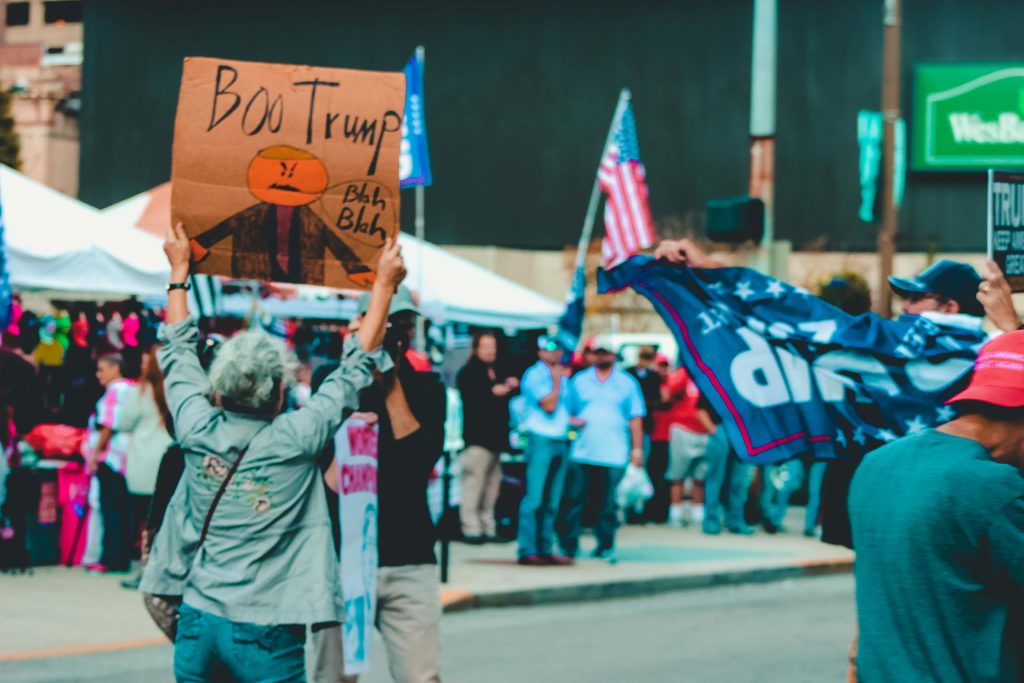
The government of the United States, under the leadership of Donald Trump, has implemented a broad pause in the processing of immigrant visas, a move that marks a significant shift in the country’s immigration policy. The decision affects applicants from dozens of nations and has introduced uncertainty for families, workers, and professionals who had long-term plans to settle in the United States.
The suspension applies specifically to immigrant visas, which grant permanent residency, and does not extend to temporary categories such as tourism or short-term business travel. Even so, the measure has wide-ranging implications, as immigrant visas are commonly used for family reunification, employment-based migration, and permanent relocation. Consular offices have been instructed to halt or delay the processing of these applications while new criteria are reviewed and adjusted.
According to the rationale presented by the administration, the pause is intended to prevent situations in which new immigrants might become financially dependent on public assistance programs. The concept of avoiding “public burden” has become a central pillar of the current immigration strategy, emphasizing economic self-sufficiency as a prerequisite for permanent entry into the country. Authorities argue that the measure protects public resources and ensures that immigration aligns with national economic interests.
The decision has generated concern among immigration experts and advocacy groups, who note that the suspension disrupts legal pathways that have existed for decades. Families awaiting reunification face prolonged separation, while skilled professionals and workers encounter delays that may alter career trajectories and business plans. Universities and research institutions have also expressed apprehension, as the policy may discourage international talent from choosing the United States as a long-term destination.
From a broader perspective, the visa freeze reflects a more restrictive approach to immigration governance. Since returning to office, the Trump administration has prioritized stricter screening procedures, expanded background checks, and more detailed financial evaluations of applicants. These steps are presented as necessary safeguards but have been criticized for increasing bureaucratic barriers and creating an atmosphere of unpredictability within the legal immigration system.
Internationally, the measure has prompted diplomatic unease, particularly in countries with historically strong migration ties to the United States. Governments and communities abroad are closely monitoring developments, aware that prolonged restrictions could have economic and social consequences. Migration flows contribute not only to labor markets but also to cultural exchange, innovation, and bilateral relations, all of which may be affected by sustained limitations.
Supporters of the policy defend it as a reaffirmation of national sovereignty and economic responsibility. They argue that immigration should be carefully calibrated to ensure that newcomers are prepared to integrate without relying on public assistance. In this view, the pause is a temporary but necessary step toward rebuilding a system centered on merit, self-reliance, and fiscal sustainability.
Critics, however, warn that the absence of a clear timeline for resuming visa processing adds to uncertainty and undermines confidence in the immigration framework. They contend that legal immigration channels are essential for economic growth and demographic balance, and that prolonged suspension risks driving talent and investment elsewhere.
As the United States reassesses its immigration priorities, the visa pause stands as a defining moment in contemporary migration policy. Its long-term impact will depend on whether new rules lead to a more efficient system or further entrench restrictions that reshape the country’s traditional role as a destination for immigrants from around the world.