
Digital Provocation and Diplomatic Shockwaves: Trump Casts Himself as “Leader of Venezuela”
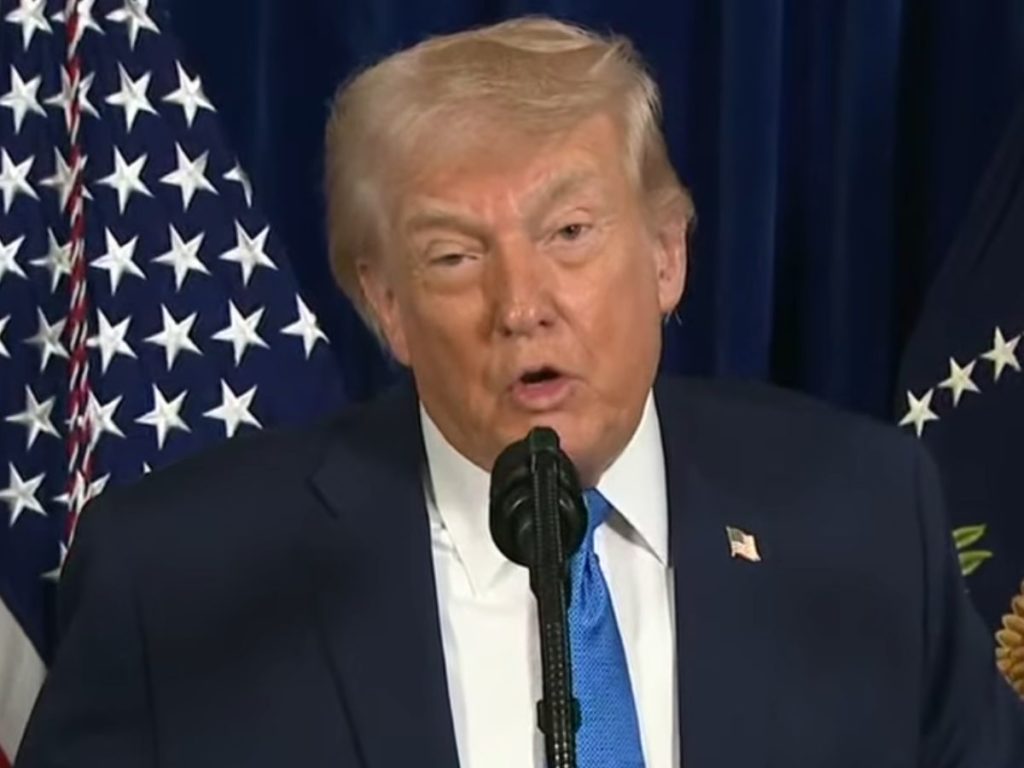
A provocative online post by Donald Trump has reignited international debate after the former U.S. president presented himself, symbolically, as the “leader” of Venezuela. The gesture followed the announcement of the capture of Venezuelan president Nicolás Maduro, an episode surrounded by conflicting narratives and heightened geopolitical tension.
Trump’s publication mimicked the format of an institutional biography, similar to those found on digital encyclopedias, portraying him as an interim authority over Venezuela. While clearly symbolic, the move was widely interpreted as a calculated provocation consistent with Trump’s communication style, which often blends political messaging with performative digital acts aimed at dominating the public conversation.
The timing of the post intensified its impact. Venezuela has long been at the center of a political and economic crisis, with Washington repeatedly questioning the legitimacy of Maduro’s leadership. News of the Venezuelan leader’s capture, still disputed and politically charged, added fuel to an already volatile environment. Against this backdrop, Trump’s self-portrayal struck many observers as an escalation rather than a comment.
From Caracas, government-aligned voices responded by reaffirming the country’s sovereignty and rejecting any form of external interference. Officials emphasized that Venezuela’s political future must be determined internally, arguing that symbolic gestures from foreign leaders undermine international norms and further destabilize an already fragile situation.
Analysts note that Trump’s action goes beyond traditional diplomacy and enters the realm of digital spectacle. By positioning himself—however rhetorically—as the head of another nation, he blurred the line between political commentary and symbolic assertion of power. Specialists in international relations warn that such acts, even when not backed by formal policy, can have real consequences by shaping public perception, influencing markets, and emboldening radical narratives on all sides.
The episode also highlights the growing role of social media in global politics. In an era where information circulates faster than official confirmations, symbolic posts can acquire outsized influence, amplifying confusion and polarisation. Trump’s message spread rapidly, triggering reactions across political camps and renewing debates over the responsibility of global leaders in the digital age.
Beyond the immediate controversy, the incident underscores deeper uncertainties about regional stability in Latin America and the future of U.S.–Venezuela relations. The mixture of unresolved leadership disputes, international pressure, and digital provocation creates a complex scenario in which symbolism and perception often rival concrete policy decisions.
Ultimately, Trump’s online provocation reflects a broader shift in political communication, where power is asserted not only through institutions and diplomacy but also through narrative dominance. As Venezuela remains at the centre of international attention, such gestures contribute to an atmosphere of uncertainty, reinforcing how fragile the balance has become between political messaging, global influence, and respect for national sovereignty.