U.S. Threat of Ground Offensive Against Latin American Cartels Sparks Regional Alarm
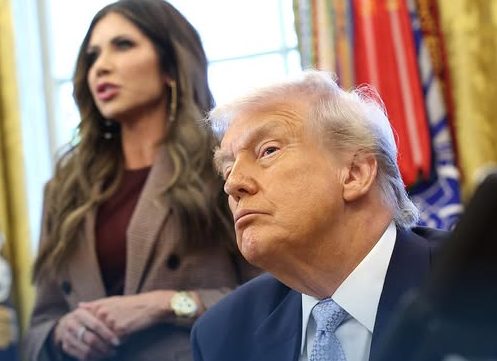
A sweeping declaration by the President of the United States, signaling that Washington is preparing a ground offensive against drug cartels operating in Latin America, has reignited fears of military escalation across the hemisphere. The announcement marks a stark intensification of U.S. counter-narcotics strategy and opens a new chapter of geopolitical uncertainty for a region já marcada por instabilidade e tensões diplomáticas.
From the Seas to the Soil: A Shift in U.S. Military Doctrine
Until now, the American campaign had focused largely on maritime operations. U.S. forces targeted vessels suspected of carrying drugs along routes in the Caribbean and the Pacific, leading to the destruction of numerous boats and significant disruptions in trafficking patterns.
Buoyed by what Washington considers results at sea, the President stated that the next phase will be executed on land. In a speech to military personnel, he insisted that if traffickers abandon maritime routes, the United States will “stop them on land as well,” signaling a dramatic shift toward direct territorial operations.
To support this new posture, a large naval force was deployed to the Caribbean, including aircraft carriers, destroyers and landing units. Officials describe it as one of the most substantial U.S. military mobilizations in the region in decades, raising questions about the scale and intention of the next steps.
Declared Targets and Undefined Borders
According to the administration, the main targets of the upcoming campaign are cartel networks believed to operate from within Venezuela. American officials have repeatedly linked those organizations to accusations of “narco-terrorism” and have blamed regional governments for allowing drug flows to reach U.S. territory.
What remains unclear is the extent of the potential military action. No specifics were offered regarding which other nations might be affected or what rules of engagement would guide a land-based intervention. The ambiguity has heightened anxiety among Latin American leaders, who fear their countries could become unwilling battlegrounds in a foreign-led war.
Sovereignty Concerns and Diplomatic Tension
Governments across the region reacted strongly, voicing concern over the possible violation of national sovereignty. For many Latin American leaders, the prospect of an American ground incursion — with or without authorization — represents a red line and a threat to international norms governing the use of force.
Diplomats and security analysts warn that even a limited operation could unleash unpredictable consequences: population displacement, spikes in violence, strained political systems and clashes between criminal groups and security forces that could spill far beyond targeted areas.
Global Reactions and Uncertain Alliances
Human rights observers and sovereignty advocates argue that combating drug trafficking through military invasions risks turning a regional challenge into an international conflict led by an external power. They question the effectiveness of treating the drug trade as a conventional war, given its deep roots in poverty, corruption and social inequality.
It also remains doubtful how willing neighboring countries will be to cooperate. Diplomatic and logistical support would be essential for any ground operation, yet early indications suggest resistance among nations that insist on defending territorial autonomy.
War or Policy? The Enduring Dilemma
The unfolding scenario revives a long-standing debate: can militarization truly dismantle complex criminal networks, or does it merely displace violence and deepen social fractures? Critics emphasize that without investments in education, economic opportunity and institutional reform, military action alone is unlikely to weaken the structural foundations of the drug trade.
A Defining Moment for the Hemisphere
The threat of a U.S. ground offensive against Latin American cartels represents one of the most consequential geopolitical flashpoints in recent times. The combination of aggressive rhetoric, military deployment and the possibility of territorial incursions sets the stage for a confrontation that could reshape regional relations for years to come.
As Latin American nations brace for what may come, the world watches with concern. Beyond the battlefield, what is truly at stake is the balance of international order, the respect for national sovereignty and the safety of millions of people who may be caught in the crossfire of a conflict unprecedented in the modern era.