
Rising Gas Prices Squeeze American Families as Economic Concerns Shape Midterm Debate
Gas
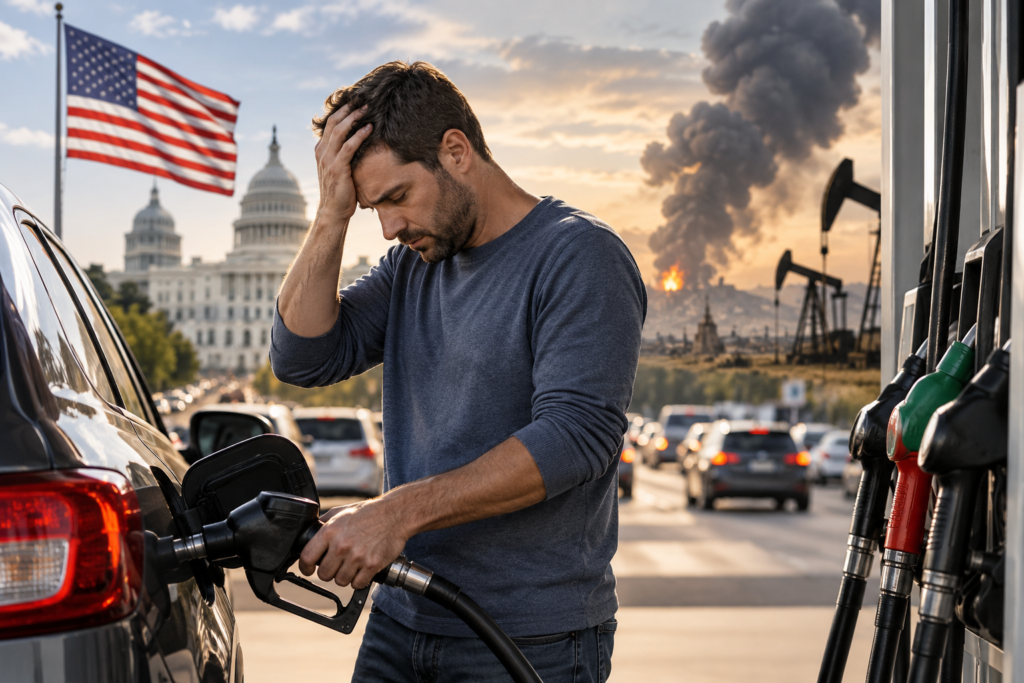
Rising fuel prices are putting renewed pressure on household budgets across the United States, bringing affordability back to the center of the national political debate. With the average price of gasoline reaching about $4.48 per gallon, consumers and small businesses are facing higher transportation costs as the economic consequences of the war with Iran become increasingly visible.
Gasoline prices have climbed rapidly. The national average rose by roughly 17 cents per gallon in a single week and about 40 cents over the course of a month. Compared with the same period last year, drivers are paying approximately $1.27 more per gallon.
The increase comes as many Americans are already dealing with elevated expenses for housing, groceries, health care and other essential services. For households that rely heavily on cars for commuting, school transportation or daily errands, the additional cost at the pump can have a significant impact on monthly spending.
Small businesses are also feeling the effects. Delivery companies, contractors, independent drivers and other businesses that depend on vehicles must absorb higher operating expenses. Diesel prices are another concern, particularly for transportation companies and industries that rely on trucks and heavy equipment.
Iran War Adds Pressure to Energy Markets
The surge in fuel costs comes amid instability in international energy markets linked to the conflict involving the United States and Iran. Oil prices have risen sharply, with Brent crude recently moving above $100 per barrel.
President Donald Trump has defended the U.S. position in the conflict and argued that higher fuel prices are a relatively limited economic cost compared with the country’s broader strategic objectives, including preventing Iran from developing a nuclear weapon.
The economic consequences, however, are becoming an increasingly important issue for voters. Recent polling indicates that 61% of voters consider gasoline prices a significant problem for their families, compared with 48% two years earlier.
Economic dissatisfaction extends beyond fuel. A majority of respondents also expressed negative views about the direction of the economy under the current administration. Even among Republican voters, concerns about affordability have emerged, although views about the administration and voting intentions remain divided.
Cost of Living Moves to the Center of the Election
The debate over gasoline prices comes as Americans prepare for the midterm elections, which will determine the balance of power in the House of Representatives and the Senate.
Control of Congress will influence the second half of Trump’s presidential term and could affect the administration’s ability to advance its domestic and foreign policy agenda.
For voters, however, economic concerns are increasingly measured through everyday expenses. Gasoline is particularly significant because prices are displayed prominently at stations and can change quickly, making fluctuations immediately noticeable.
Food, housing, medical expenses and transportation costs are all contributing to broader concerns about affordability. Higher energy prices can also spread through the economy by increasing transportation and production costs, potentially affecting the prices of other goods and services.
As the election approaches, developments in the Middle East and global oil markets will remain closely watched. For millions of Americans, the price at the pump has become more than an energy-market indicator. It is an immediate measure of household finances and an increasingly prominent issue in the country’s political debate.