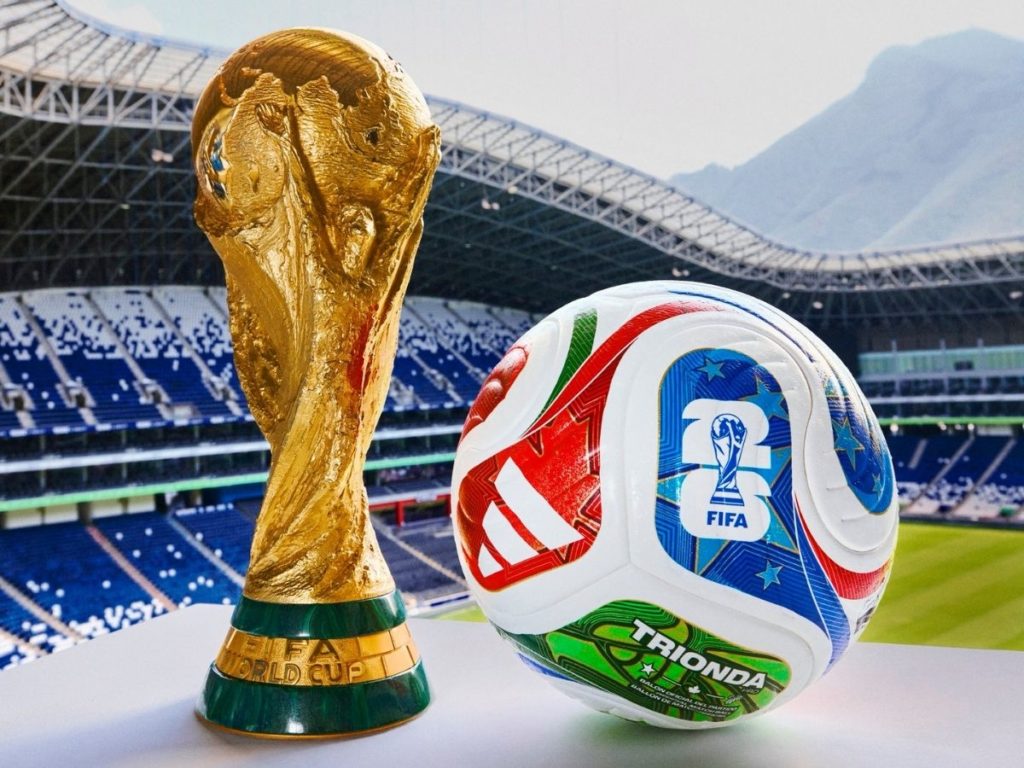
As preparations move forward for the 2026 FIFA World Cup, the tournament—set to be the largest in the competition’s history—has increasingly become the center of debates that extend far beyond the pitch. Hosted jointly by the United States, Canada, and Mexico, the event is not only a sporting milestone but also a stage where political tensions, social concerns, and global expectations converge.
The decision to split the World Cup among three nations was celebrated as a symbol of cooperation and continental unity. However, it has also exposed sensitive political and logistical challenges. Immigration policies, particularly those enforced by the country hosting the majority of matches, have raised concerns about accessibility. Strict visa rules and border controls generate uncertainty for fans, journalists, and even members of delegations who are expected to move freely between host cities. These issues challenge the long-standing image of the World Cup as an inclusive global celebration.
Alongside mobility concerns, debates surrounding civil rights and freedom of expression have gained prominence. Activists and social organizations have called for clear guarantees that the tournament will not be accompanied by restrictions on peaceful demonstrations or limitations on individual freedoms. In recent years, major international events have often been criticized for prioritizing security at the expense of civil liberties, fueling apprehension that similar measures could be adopted during the World Cup.
These tensions have sparked discussions about symbolic protests and calls for accountability. While official government support for the tournament remains firm, the persistence of criticism highlights a growing gap between institutional narratives and public sentiment. For many observers, the World Cup now reflects broader geopolitical disputes and ideological divisions rather than standing apart from them.
At the heart of this complex scenario is the governance of global football itself. The sport’s international leadership faces scrutiny over its ability to remain neutral amid political pressures. Decisions perceived as inconsistent or selective in addressing global issues have intensified doubts about whether sporting institutions can truly separate football from politics in a rapidly changing world.
The 2026 World Cup also revives long-standing concerns about the social and economic impact of mega sporting events. In several host cities, local communities have expressed fears of rising living costs, urban displacement, and uneven distribution of economic benefits. While infrastructure projects and tourism are often highlighted as positive legacies, critics argue that the long-term consequences for residents are rarely addressed with the same urgency.
Another notable shift is seen in the profile of modern football fans. More connected and politically aware than ever, supporters increasingly expect major events to reflect ethical standards and social responsibility. Their engagement goes beyond cheering for national teams; it includes demanding transparency, fairness, and respect for cultural and social diversity.
In this context, the World Cup becomes more than a competition—it turns into a global mirror. The tensions surrounding the 2026 edition reveal how deeply sport is intertwined with contemporary issues such as migration, governance, and human rights. Every organizational choice, from security protocols to access policies, carries symbolic weight and international repercussions.
As anticipation builds toward kickoff, excitement over the matches is accompanied by heightened awareness of the broader implications of hosting the tournament. The World Cup of 2026 is poised to be remembered not only for its expanded format and historic venues, but also for how football navigated the political and social challenges of its time.
Ultimately, the tournament underscores a defining reality of modern sport: football may be played on the field, but its impact—and its controversies—are felt far beyond the final whistle.