When the Chest Tightens, It’s Not Always the Heart: Severe Anxiety Explains a Large Portion of Chest Pain Cases
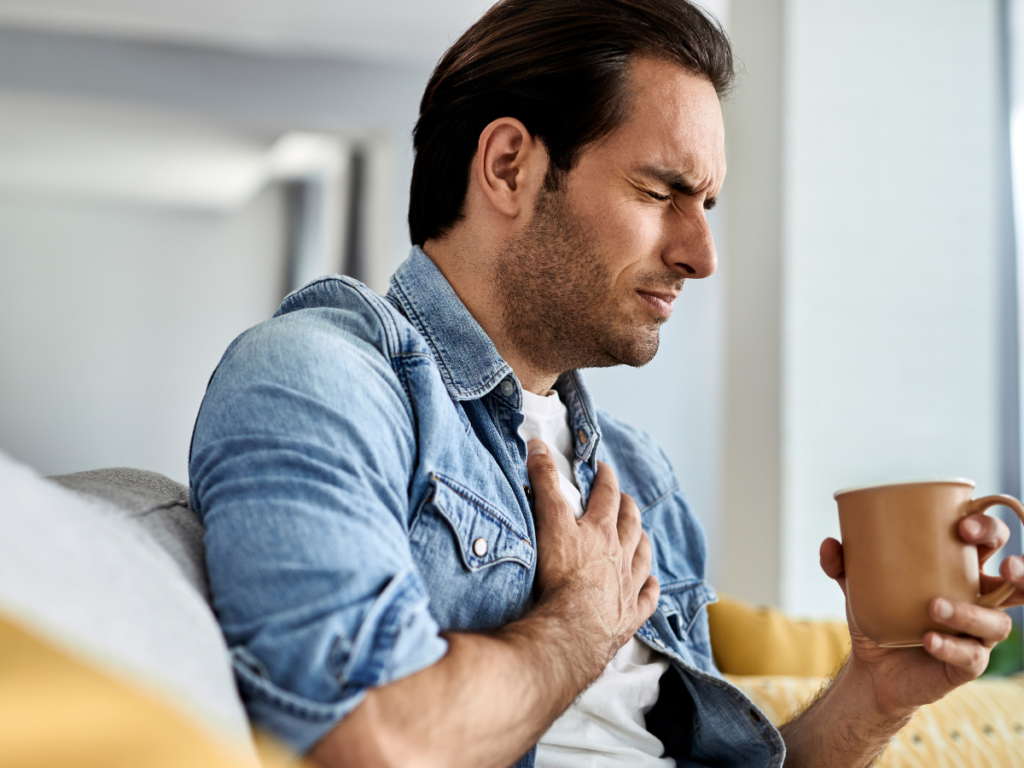
A recent study conducted in the United States reveals that a significant number of patients who rush to emergency rooms with chest pain may actually be suffering from anxiety-related episodes rather than heart problems. The research focused on individuals with “low-risk” chest pain for heart attack and found that about 42% of these patients experienced severe anxiety — a finding that reshapes how medicine views one of the most alarming symptoms in emergency care.
These patients were not merely anxious in the everyday sense. Alongside intense anxiety, many also presented treatable psychological conditions such as depression, panic disorder, post-traumatic stress, somatization — when emotional distress manifests as physical symptoms — and even low self-efficacy, the belief that one cannot effectively handle life’s challenges. This complex interplay suggests that behind much of the chest pain seen in hospitals lies an intricate web of emotional distress needing attention and care.
Although anxiety-related chest pain can feel strikingly similar to a heart attack, physicians emphasize that cardiac causes must always be ruled out first through exams like electrocardiograms and physical assessments. Once heart disease is excluded, broadening the evaluation to include mental health is crucial — not only to reduce recurring visits to emergency rooms but also to address the root of the problem.
Anxiety-induced chest pain often presents differently from cardiac pain. While heart-related discomfort typically appears as a pressure or heaviness behind the sternum — often triggered by physical effort or emotional stress — anxiety pain may feel more diffuse, sharp, or fleeting, with no clear physical cause. It can occur suddenly, even at rest, and patients frequently describe it as a sensation located in the center or upper part of the chest, sometimes accompanied by shortness of breath, dizziness, or a sense of impending doom.
For many people, the recurrence of these episodes becomes overwhelming. In the study, nearly two-thirds of participants reported experiencing these symptoms weekly or even daily. This frequency shows that the issue is not a one-time scare, but part of a persistent cycle of anxiety that erodes daily life. In such cases, consistent outpatient care — involving therapy, breathing techniques, and medication when needed — is key to breaking the cycle and preventing new crises.
Mental health professionals emphasize that treating anxiety not only relieves immediate suffering but also protects the body in the long run. Chronic anxiety, when left unchecked, can increase inflammation, disrupt sleep, elevate blood pressure, and harm overall well-being. Recognizing anxiety as a legitimate clinical concern in emergency settings could therefore transform how both mental and physical health are managed together.
Moreover, integrating psychological screening into emergency care protocols could have far-reaching effects. Instead of simply ruling out a heart attack, healthcare teams could identify underlying emotional distress and guide patients toward specialized care. This dual approach — addressing both cardiac and emotional factors — acknowledges the full spectrum of what the human body communicates through pain.
Ultimately, this study serves as a wake-up call for modern medicine: chest pain isn’t always a sign of a failing heart — sometimes, it’s the mind crying out for relief. Bridging cardiology and mental health may be the next frontier in truly holistic care, helping patients escape the cycle of fear and uncertainty that often accompanies unexplained pain.