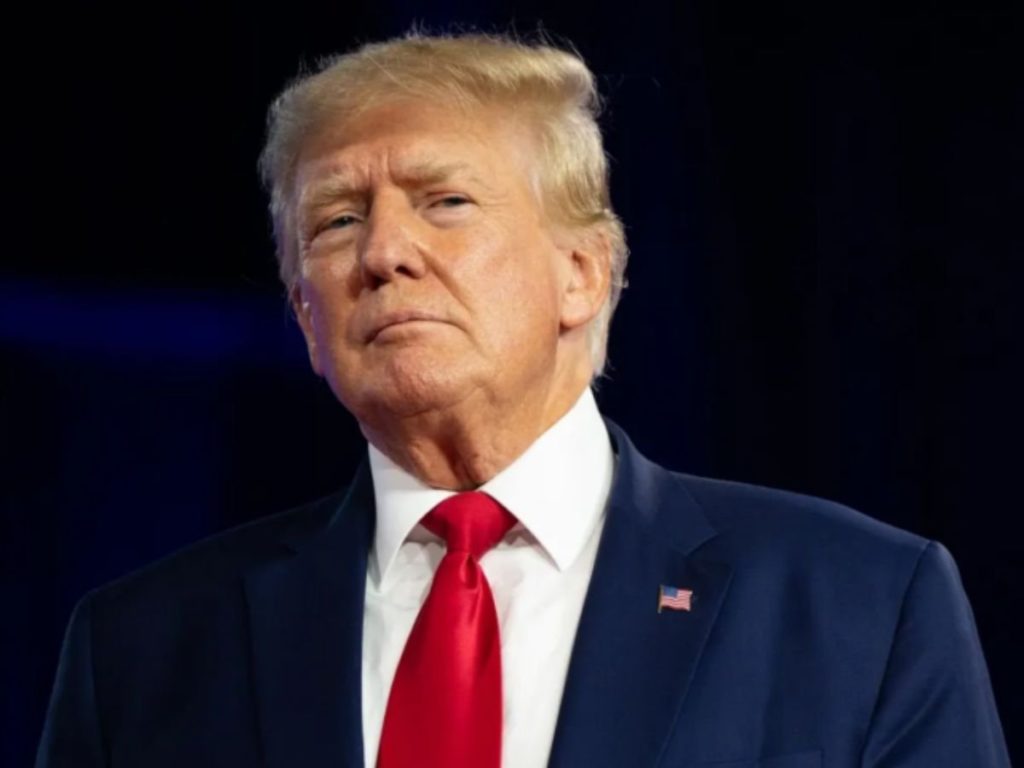
The White House issued a strong response following the Nobel Peace Prize committee’s decision not to include Donald Trump among its laureates. In an official statement, the U.S. government denounced the choice as a clear demonstration that “politics prevailed over peace,” directly accusing the Nobel committee of ideological bias.
According to the administration’s communications director, President Trump remains committed to mediating conflicts, ending wars, and “saving lives” — qualities that, in the government’s view, should have been acknowledged by the Nobel Prize. The statement emphasized that “there will never be another like Trump, a man capable of moving mountains through sheer willpower.” The tone reflected deep public disappointment with what was described as a politically motivated decision.
The White House’s reaction pushes the debate beyond the boundaries of a simple award. It raises questions about the legitimacy and neutrality of the Nobel’s selection process. By asserting that “the committee has proven it places politics above peace,” the administration challenges the credibility of one of the world’s most respected institutions, suggesting that diplomatic and ideological interests may have guided the outcome. Analysts see this as a deliberate rhetorical move — a strategy to reaffirm leadership and confront global institutions before criticism can undermine the administration’s narrative.
Meanwhile, the Norwegian Nobel Committee maintains that its decisions are based solely on merit, legacy, and adherence to Alfred Nobel’s founding principles — promoting fraternity among nations, disarmament, and peace congresses. Representatives have emphasized that external campaigns and media pressure are part of the award’s history, but never decisive factors in its final decisions.
The episode injects a new level of confrontation into the traditionally serene world of the Nobel. By responding so forcefully, the White House signals its refusal to accept institutional silence as an answer, turning the situation into a symbolic power struggle between political authority and cultural legitimacy.
More than just rhetoric, the administration’s statement has diplomatic weight. The White House may leverage the controversy to encourage international allies to question the prize’s criteria and to reshape global discourse in its favor. Behind the scenes, diplomats are reportedly preparing aligned responses and strategies to reinforce the administration’s stance.
At the same time, Trump’s image is at the heart of the dispute. In recent months, he has sought to strengthen his persona as an international peacemaker, particularly through his involvement in Middle Eastern negotiations. His nomination for the Nobel Peace Prize was part of that broader effort. The rejection now feeds a narrative of injustice — a story that his team is likely to amplify as evidence of political bias against him.
Ultimately, the White House’s reaction exposes a modern tension between diplomacy and moral legitimacy. By challenging the meaning of “peace” itself, the U.S. government confronts one of the world’s most venerated intellectual institutions. Beyond symbolic indignation, it reaffirms that in today’s global arena, awards, ideals, and narratives are as contested — and as powerful — as treaties and military alliances.