U.S. Supreme Court Clears Path for Trump to Reinstate Biological-Sex Rule on Passports
timepostnews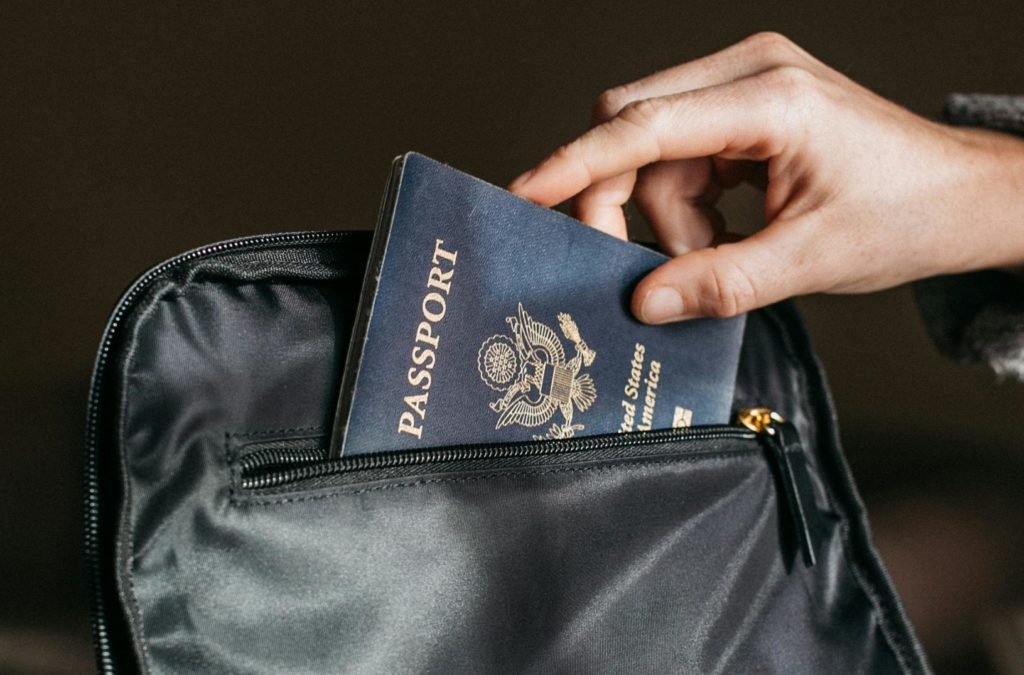
The United States Supreme Court has authorized the Trump administration to reinstate a policy requiring all U.S. passports to list only a person’s biological sex, reversing a recent practice that allowed gender markers to align with an individual’s gender identity. The decision, issued through an emergency order, grants the government immediate permission to enforce the rule while ongoing legal challenges continue in lower courts.
Under the reinstated policy, the Department of State can once again restrict passport applicants to only two markers — “M” for male and “F” for female — based strictly on the sex assigned at birth. This eliminates the use of the “X” marker, which had been introduced as an option for transgender and non-binary Americans seeking documents that reflect their lived identities.
For the Trump administration, the measure is presented as a return to what it calls “biological accuracy.” Government officials argue that official documents must rely on objective classifications that cannot be altered based on personal identification. Supporters of the policy claim it reinforces clarity, security and consistency in international travel documentation.
However, LGBTQIA+ rights groups and civil liberties advocates warn that the ruling poses serious risks. For many transgender and non-binary individuals, being forced to use a gender marker that contradicts their identity can lead to harassment, discrimination or even danger when traveling abroad. Activists argue that removing the “X” option is more than administrative change — it strips away recognition and dignity for people whose identities do not fit traditional binary categories.
The Supreme Court’s emergency ruling exposed sharp ideological divisions within the bench. Justice Ketanji Brown Jackson authored one of the dissenting opinions, calling the decision a “painful distortion” of the Court’s role. She argued that the majority ignored the concrete harm the policy will inflict on affected citizens and questioned why the government claimed such urgency to enforce the rule before lower courts complete their review.
At the center of the legal dispute is the question of equal protection under the Constitution. Plaintiffs in ongoing lawsuits assert that forcing individuals to adopt a gender marker inconsistent with their identity violates constitutional rights and undermines their safety. They also contend that the previous policy expanded personal freedom and reduced bureaucratic barriers for a marginalized community.
The Trump administration, meanwhile, maintains that the change is necessary to uphold what it describes as biological and legal clarity. The move is part of a broader set of federal initiatives aimed at restricting the recognition of gender identity in official records, public policy and educational frameworks.
With the Supreme Court’s order in effect, the Department of State can proceed immediately with reinstating biological-sex-only identification on U.S. passports. This does not signal the end of the dispute; rather, it marks the beginning of what is likely to be an extended legal and political battle over gender recognition in federal documentation.
As the nation awaits further judicial rulings, the debate extends far beyond administrative guidelines. It raises fundamental questions about identity, civil rights and the future of gender policy in the United States. For millions of Americans, the outcome represents not just a bureaucratic detail, but a defining issue of personal legitimacy and freedom.