Trump Proposes 100% Tariff on Foreign Films, Ignites Debate on Cultural Protectionism in the U.S.
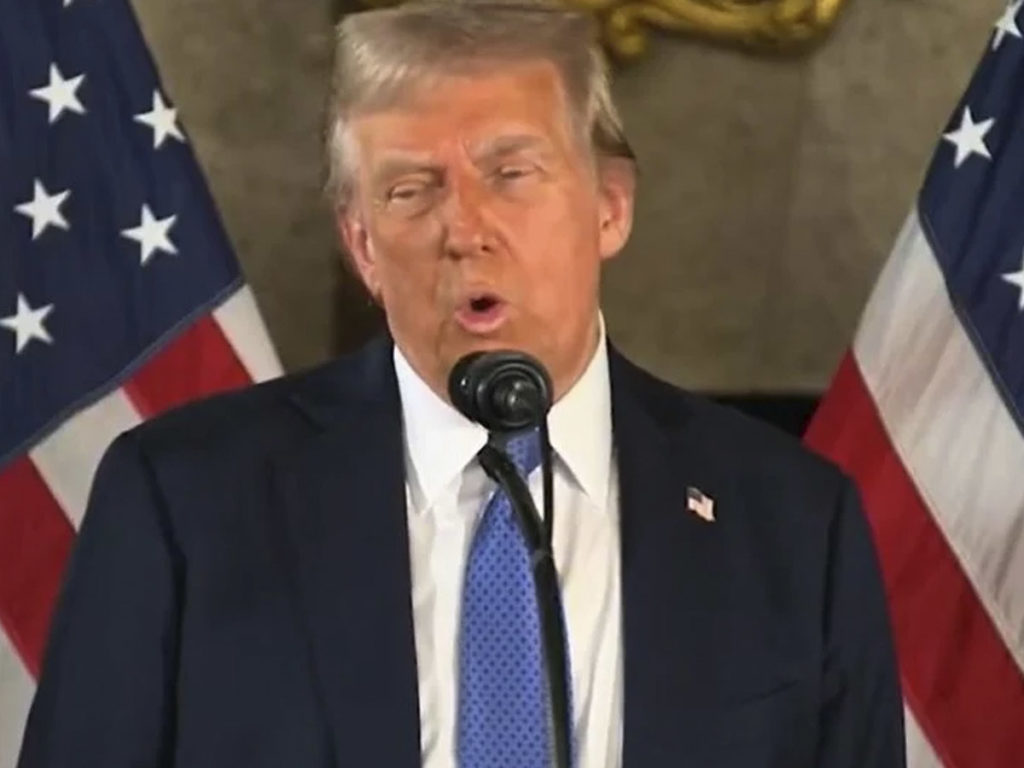
In a statement that quickly echoed through the corridors of the entertainment industry and international diplomacy, former U.S. President Donald Trump announced that, if re-elected, he intends to impose a 100% tariff on films produced outside the United States. The proposal revives longstanding debates over cultural protectionism, market balance, and the role of soft power in an era of accelerated globalization.
According to Trump, the measure aims to protect the American film industry from what he describes as a “cultural invasion” and to stimulate domestic consumption of national productions. His argument is rooted in the notion that, despite being a global powerhouse in content creation, Hollywood is increasingly challenged by competition from Asian and European films, in addition to the rapid growth of global streaming platforms.
However, experts in international relations and the audiovisual market warn of wide-ranging and controversial consequences. A tariff of this scale on foreign works could strain trade agreements with numerous countries and directly affect the cultural offerings available to American audiences. Award-winning and critically acclaimed productions from countries like France, South Korea, Brazil, and Germany could be pulled from U.S. theaters or become too expensive to remain competitive.
The proposal could also provoke retaliatory measures from other nations, jeopardizing the global distribution of American films—a blow to an industry that heavily relies on international revenue. “Hollywood is an international force not just because of its content, but because of its presence in theaters across the world. Unilateral measures like this risk undoing decades of diplomatic and cultural outreach,” notes an industry analyst.
Within the U.S., the idea is already dividing opinions. While some nationalist segments of the public support the notion of bolstering domestic content, creatives in the field worry about restrictions on artistic diversity and viewers’ freedom of choice. Independent producers, distributors, and theater owners argue that the richness of international cinema enhances the cultural experience of American audiences.
Trump, for his part, frames the tariff as a strategic move to restore the nation’s “cultural self-esteem” and protect creative jobs generated by the domestic film industry. Critics, however, see the proposal as more symbolic than practical, questioning its feasibility under existing U.S. trade commitments with multilateral organizations.
Controversial as it may be, the idea underscores how entertainment has become a battleground for political and economic agendas. At a time when culture shapes social, economic, and electoral outcomes, films are no longer just art or business—they are central pieces on a global chessboard of influence. And any shift in this arena promises consequences that extend far beyond the box office.