The War of Names: Mexico Challenges U.S. and Google Over Gulf Sovereignty
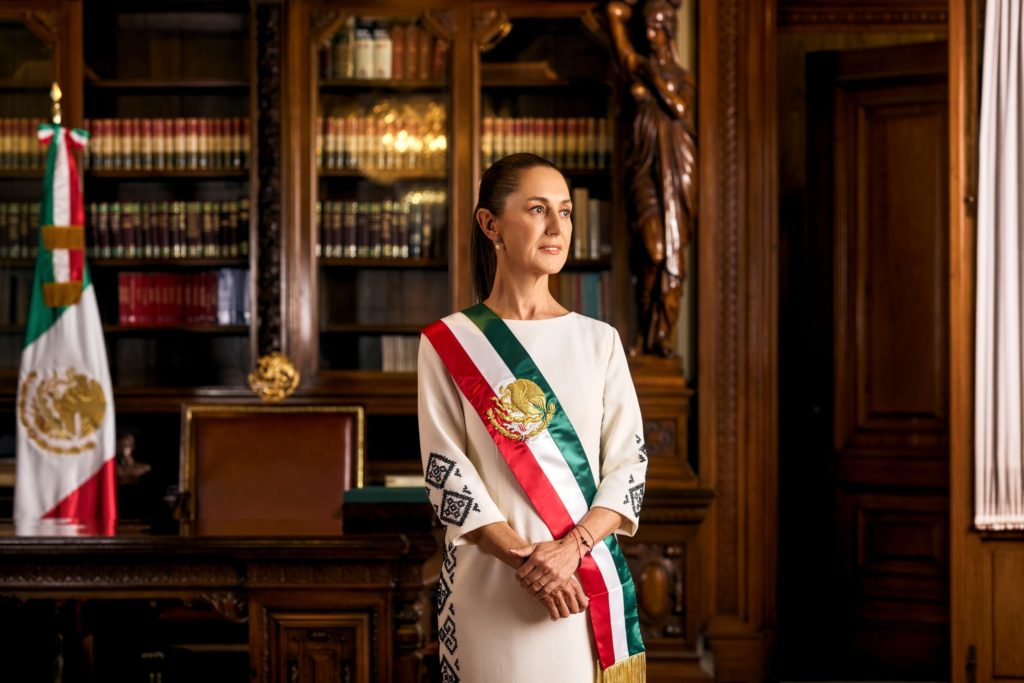
Claudia Sheinbaum
Political and geographical maps have long served as battlegrounds—not always for armies, but often for influence, pride, and power. The latest chapter in this global tug-of-war is not marked by territorial invasions but by the digital rebranding of a body of water. Mexico has filed a lawsuit against Google after the tech giant began labeling the Gulf of Mexico as the “Gulf of America” for U.S. users on its maps. What seems like a minor nomenclature change is, in fact, a significant act of geopolitical symbolism.
The heart of the dispute is the body of water that borders the United States, Cuba, and, most prominently, Mexico. For Mexicans, the decision to rename the gulf represents not just an affront to national identity, but a disregard for historical and diplomatic integrity. More than a linguistic issue, it is a clash of narratives: the U.S. asserting nationalist pride, and Mexico pushing back to protect its territorial legacy and cultural sovereignty.
Mexican President Claudia Sheinbaum expressed dismay over Google’s decision and emphasized that the U.S. executive order calling for the new name applies only to American territorial waters. From Mexico’s perspective, labeling the entire gulf as “Gulf of America” on a global platform like Google Maps oversteps diplomatic boundaries and imposes a unilateral narrative on a shared geographical feature.
The origin of the controversy lies in an executive order signed by former U.S. President Donald Trump, who, on his first day in office, directed federal agencies to adopt the new name. Trump’s rationale was based on the claim that the U.S. “does most of the work there, and it’s ours.” For Mexico, this justification neglects centuries of maritime history and formal naming conventions recognized internationally.
Tensions escalated when the Associated Press refused to adopt the “Gulf of America” label, resulting in retaliatory measures from the White House, including restricted access to official events. A federal judge later ordered the administration to cease such actions, reinforcing the idea that naming is not a neutral act—it is political, and often, contentious.
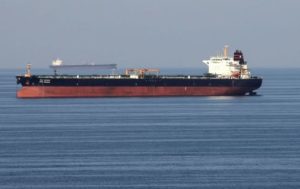
What may appear to be a symbolic skirmish becomes more serious in the context of future name changes. During a planned visit to Saudi Arabia, Trump hinted at encouraging the U.S. to rename the Persian Gulf as the “Arabian Gulf” or “Gulf of Arabia.” This suggestion triggered immediate backlash from Iranian officials, who called it an “absurd rumor” that would provoke the wrath of the Iranian people.
Mexico’s position is clear: it is not merely fighting over words on a map—it is fighting for recognition, for memory, and for the preservation of historical truth. In a digital world where platforms like Google shape public understanding of geography and identity, names carry enormous influence. When they are modified to fit political agendas, they risk becoming tools of soft power and digital colonization.
The map is not just a reflection of reality—it is also a declaration of who controls the narrative. And in this case, Mexico refuses to be erased.