The Trillion-Dollar Surge: How Technology Titans Drove a Historic Rise in Global Wealth
Elon Musk
Global wealth concentration reached unprecedented levels as the world’s 500 richest billionaires ended the year with a combined increase of US$ 2.2 trillion in their fortunes. The surge was largely driven by technology leaders, whose companies benefited from market optimism, innovation cycles and strong investor confidence, particularly in sectors linked to artificial intelligence and digital infrastructure.
Among the global elite, the gains were even more striking. The 10 richest individuals on the planet alone added US$ 586.8 billion to their net worth, representing a 29% increase compared with the previous year. By year’s end, this top-tier group controlled an estimated US$ 2.5 trillion in wealth — a figure that exceeds the gross domestic product of several major economies, highlighting the extraordinary concentration of economic power in the hands of a few individuals.
A closer look at this group reveals a clear pattern. Eight of the 10 biggest wealth accumulators are at the helm of technology giants or businesses directly tied to the digital economy. The only exceptions were French luxury magnate Bernard Arnault, who leads the LVMH fashion conglomerate, and legendary investor Warren Buffett, whose fortune is built on long-term investments across diverse traditional sectors.
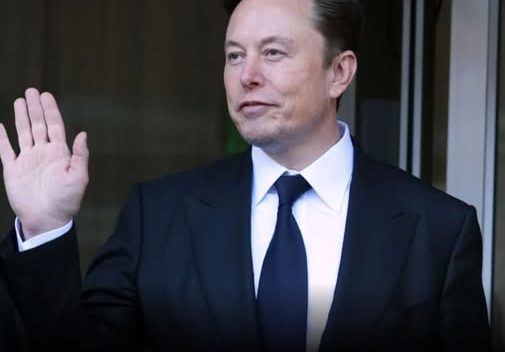
At the very top of the ranking stands Elon Musk, who recorded the largest individual gain of the year. Owner of companies such as electric vehicle maker Tesla, aerospace firm SpaceX and the social media platform X, Musk finished the year US$ 194 billion richer. The rise reflects strong market valuations tied to electric mobility, space exploration and digital communication, sectors increasingly seen as central to future economic growth.
Following closely were Larry Page and Sergey Brin, the founders of Google. Page added US$ 101 billion to his fortune, while Brin saw his wealth increase by US$ 92.3 billion. The continued dominance of Google’s parent company, Alphabet, in online advertising, cloud services and emerging technologies helped fuel their financial expansion.
Other notable names include Larry Ellison, of Oracle, and Jensen Huang, who both benefited directly from the explosive growth of artificial intelligence. Ellison pushed aggressive investments into enterprise technology and data-driven solutions, while Huang capitalized on Nvidia’s position as the world’s leading manufacturer of advanced semiconductors used to train AI systems — a critical component of the digital transformation underway across industries.
Despite the remarkable gains, the year was not without volatility. Shifts in the political and economic landscape of the United States influenced market sentiment, creating periods of rapid appreciation followed by moments of caution. Even so, the overall balance remained strongly positive, reinforcing the dominance of technology-driven wealth creation.
This snapshot of global fortunes underscores a defining reality of the modern economy: innovation, data and artificial intelligence are not only reshaping industries but also redefining who holds economic power. As technology leaders continue to amass wealth at unprecedented speed, debates around inequality, regulation and the social responsibility of major corporations are likely to intensify in the years ahead.