The Silent Anxiety of Caregivers: When a Loved One’s Pain Becomes the Family’s Hidden Burden
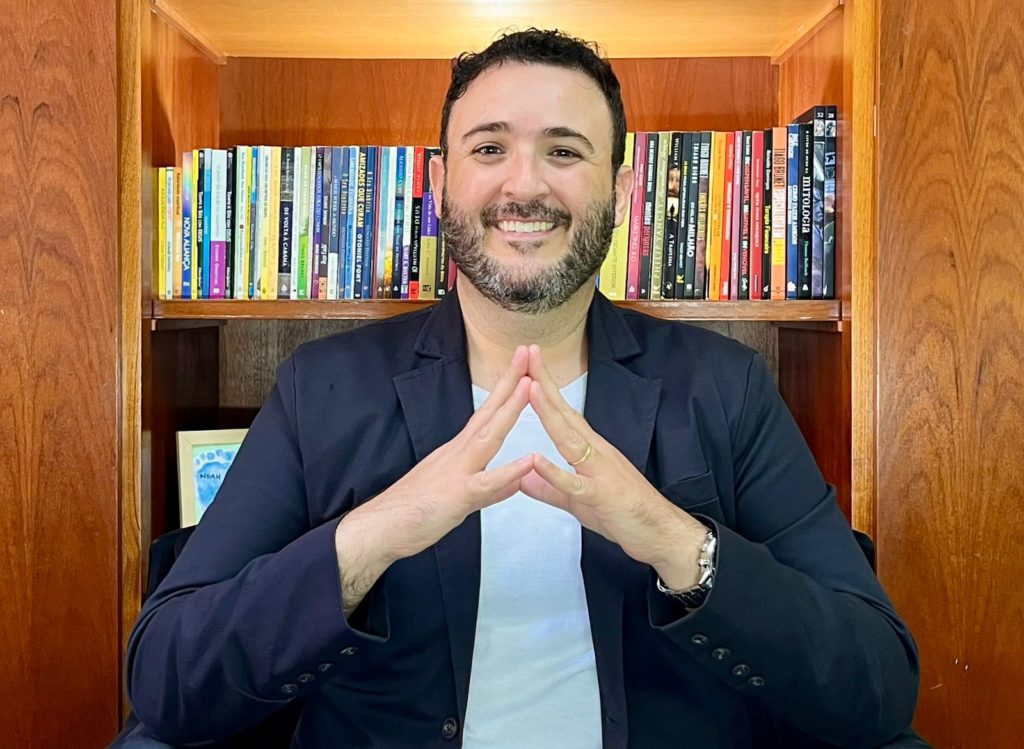
Paulo Zago Neto
Caring for someone you love is often seen as the purest expression of devotion. Parents care for children, partners support one another, families close ranks in the face of illness, depression, grief, or emotional crises. Yet beneath this act of love lies a reality that frequently goes unnoticed: the silent anxiety and emotional exhaustion experienced by those who take on the role of caregiver.
Brazilian psychologist Paulo Zago Neto, widely known as Neto Zago, explains that caregiving, while rooted in affection, can quietly erode emotional health. “Caring for a loved one is an act of love — but it can also become a silent path toward anxiety and emotional burnout,” he says. According to Zago, many caregivers do not become ill because of their own struggles, but because they absorb the suffering of those they love.
In psychological clinics, hospitals, and households, the number of people experiencing this form of distress is growing. Mothers lose sleep over a child’s pain, partners live in a constant state of alert, and adult children feel responsible for their parents’ emotional stability. Over time, this dynamic can lead to persistent anxiety, emotional exhaustion, and a significant decline in quality of life.
Zago emphasizes that anxiety, in these cases, is not the root problem but a symptom. “Anxiety is never the cause; it is always the effect,” he explains. “Fear, insecurity, and constant worry are the three pillars that sustain anxiety. When these emotions intensify in response to a loved one’s suffering, the risk of emotional illness rises sharply.” Gradually, the caregiver’s life begins to revolve entirely around the other person’s problem, leaving no space for personal needs or well-being.
Feeling affected by a loved one’s pain is natural and human. The danger arises when this impact becomes overwhelming. “When the other person’s suffering steals my peace in an exaggerated way, beyond what is healthy, we are already facing something harmful,” Zago notes. Empathy, he stresses, does not mean absorbing the other person’s pain as one’s own.
One of the greatest challenges for caregivers is setting emotional boundaries without guilt. Many believe that if they do not suffer alongside their loved one, they are being selfish or indifferent. In reality, suffering together does not require self-annihilation. Healthy caregiving involves balance, not emotional self-sacrifice.
The warning signs often appear subtly. Caregivers begin giving up small pleasures, then important activities, until life itself feels suspended. Social outings, travel, leisure, and even moments of joy are postponed indefinitely, fueled by the belief that happiness is inappropriate while someone else is suffering. “When the other person’s problem starts interfering directly with my life, this is a very negative sign,” Zago explains.
Scientific research reinforces the seriousness of this issue. Studies published in international medical journals have shown that caregivers experiencing high levels of emotional stress face a significantly increased risk of serious health consequences, including earlier mortality. Chronic stress, sleep deprivation, hormonal imbalance, weakened immune function, and heightened cardiovascular risk are all linked to prolonged caregiving without adequate support.
For Zago, seeking professional help is not a sign of weakness, but a necessity. Emotional separation — understanding that each person has their own life, pain, and responsibility — is essential. “You can support, guide, and care for someone without turning their problem into your own,” he says. This boundary does not diminish love; it protects relationships from becoming emotionally destructive.
Beyond therapy, Zago encourages caregivers to invest in their own emotional health through physical activity, meaningful leisure, supportive social connections, and, when relevant, spirituality. Caring for caregivers, he argues, is a collective responsibility involving families, communities, and public policy.
The silent anxiety of caregivers develops gradually, disguised as excessive love and constant vigilance. Recognizing it is the first step toward breaking the cycle. Caring should not mean becoming ill. Loving should not mean disappearing from oneself. Emotional balance between empathy and self-care is not selfishness — it is emotional survival, and it ultimately benefits everyone involved.
Professional contact
For information or appointments with psychologist and speaker Paulo Zago Neto:
Phone: +55 (17) 99104-4620
Instagram: @netozagopsicologo