The Lightning and the Storm: Kamala Harris, ICE Raids, and the Battle of Narratives in a Divided America
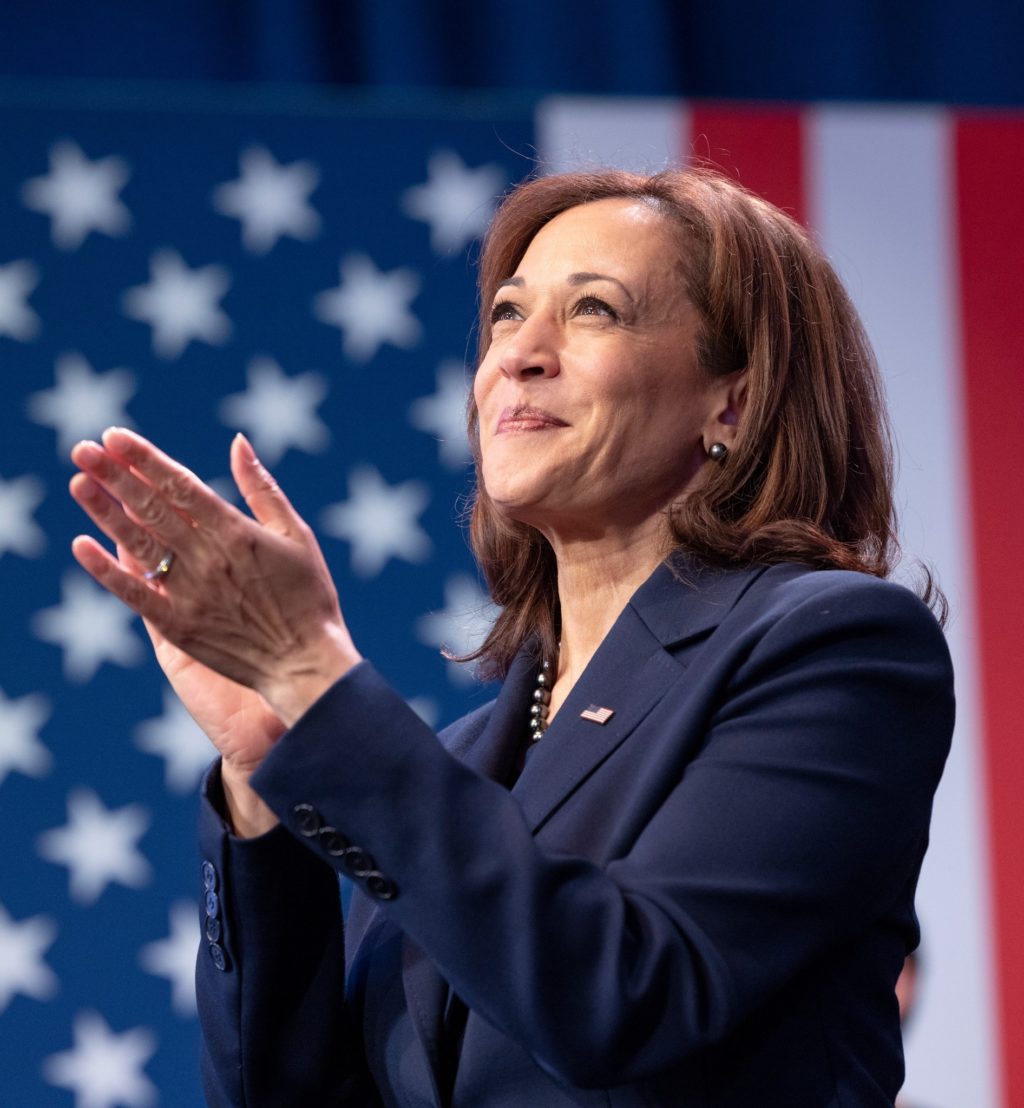
Amid the heavy atmosphere of American politics, Vice President Kamala Harris reignited a volatile debate by openly condemning the ICE (Immigration and Customs Enforcement) operations carried out in Los Angeles. Her statements, directly blaming the previous administration for fostering a culture of fear among immigrants, triggered immediate—and intense—reactions.
“Appalling” was the word Harris used to describe the raids, calling them inhumane and emblematic of the toxic legacy left behind by former President Donald Trump. In a sharp and deliberate tone, the vice president declared that the country had “dodged a bullet” by voting Trump out, implying that the effects of his immigration policies still echo through the nation’s corridors of power.
Harris’s remarks did not go unnoticed or unchallenged. Republican leaders and critics of the Biden administration responded with outrage, accusing her of distorting facts and deflecting responsibility from the current government. To them, the vice president’s words were less a gesture of empathy and more an attempt to rewrite the narrative surrounding a persistent issue: the absence of a clear, humane, and effective immigration policy.
The raids in question are part of a broader federal effort to enforce immigration laws, especially in light of the rising number of migrants crossing the southern border. While the Biden administration has promised a more compassionate approach, enforcement actions have continued—often in ways not so different from those under Trump. The rhetoric may have changed, but the core of the debate remains intact.
Harris now stands as a symbolic figure in this ideological tug-of-war: on one side, the Democratic promise to restore human dignity in immigration processes; on the other, the ongoing pressure to secure borders and maintain legal order. The vice president seeks to balance this unstable pendulum, but her recent declarations show just how difficult it is to separate past from present in such a sensitive topic.
Her use of the term “bullet” to describe the threat allegedly averted by Trump’s electoral defeat only intensified the clash. The word—potent and evocative by nature—was interpreted by opponents as reckless, inflammatory, and irresponsible, further fueling the narrative of polarization that grips the country. Yet to her political base, Harris reaffirmed her stance as a firm voice against what many see as cruel and dehumanizing practices.
What emerges from this exchange of accusations is the portrait of a fractured America, where immigration has become a mirror of the nation’s deepest social tensions. Every statement, every action, every silence carries the weight of decades of broken promises and of borders that divide more than just land—they divide worldviews.
In this context, Kamala Harris is not merely expressing an opinion—she is staking out an institutional, political, and historical position. Whether that stance will lead to real progress or simply add more noise to an already saturated arena of ideological conflict remains an open question. One thing is certain: when it comes to immigration in the United States, every word matters. And so does every silence.